


Oil Coolers
Your Professional Oil Coolers Supplier
Shenzhen Hylita Heat Exchange Equipment Co., Ltd. was established on July 2, 2015, located in Maluan Chuanggu Industrial Park, Jinlong Avenue, Shahu Community, Biling Street, Pingshan District, Shenzhen. The company focuses on the development and sales of refrigeration and heat exchange equipment technology, and also involves fields such as metal processing and component manufacturing.we have always been guided by meeting customer needs, continuously optimizing products and services, and gradually emerging as a promising enterprise in the field of heat exchange equipment.

Why Choose Us
Production Market
Our heat exchanger products are popular in multiple regions around the world, particularly in Southeast Asia where they are highly favored by customers in countries such as Indonesia, Malaysia, and Thailand. Due to the vigorous development of industry in Indonesia, the demand for heat exchangers has surged.
Our Service
Shenzhen Hylita Heat Exchange Equipment Co., Ltd. has established a full process service system to provide customers with professional and thoughtful support.
Our Factory
Shenzhen Hylita Heat Exchange Equipment Co., Ltd. is located in Guangdong, China, with a spacious factory of nearly 4000 square meters. There are currently 45 workers, and the annual production equipment requires over 20 million tons of metal materials.
On-Time Delivery
Our supply chain management and production processes operate efficiently to ensure your orders are delivered punctually.
Enhanced Engine Performance
By effectively regulating the temperature of the engine oil, an oil cooler ensures improved performance, smoother operation, and efficient power delivery.
Extended Engine Life
By preventing heat-related damage, the cooler helps mitigate thermal breakdown, oxidation, and contributes to engine longevity.
Improved Efficiency
By managing the oil temperature, an oil cooler helps maintain the oil's viscosity and fluidity, ensuring that it can effectively lubricate and protect the engine's moving parts. This contributes to improved fuel efficiency, reduced maintenance costs, and enhanced performance over time.
Classification of Oil Coolers
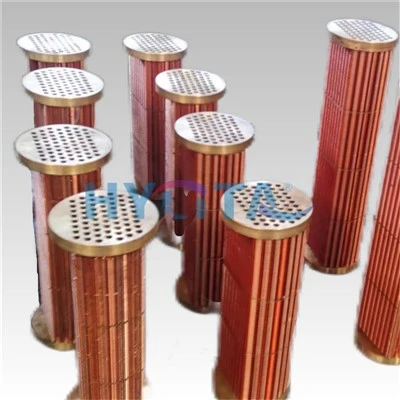
Engine oil cooler: It cools the lubricating oil of the engine, keeps the temperature of the oil at a reasonable temperature (90-120 degrees), and the viscosity is reasonable; the installation position is in the cylinder block of the engine, and it is installed in one piece with the casing.
Transmission oil cooler: It cools the lubricating oil of the transmission and is installed in the lower water chamber of the engine radiator or the outside of the gearbox case. If it is air-cooled, it is installed on the front side of the radiator.
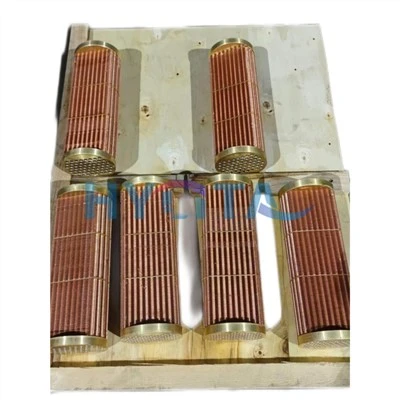
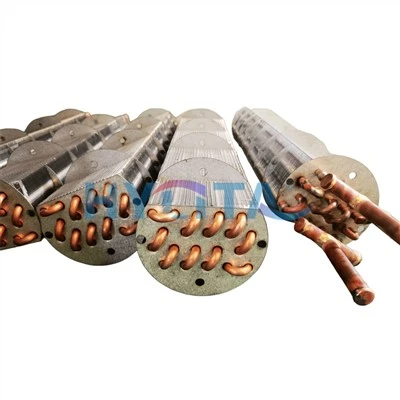
Retarder oil cooler: It cools the lubricating oil when the retarder is working. The installation position is outside the gearbox. Most of them are shell-and-tube or water-oil composite products.
Exhaust gas recirculation cooler: It is a device used to cool part of the exhaust gas returned to the engine cylinder, and the purpose is to reduce the content of nitrogen oxides in the automobile exhaust.
Cooling cooler module: It is a device that can simultaneously cool various objects or some objects such as cooling water, lubricating oil, compressed air, etc. The cooling module adopts a highly integrated design idea, with full functions, small size and intelligence. high-efficiency features.
The air cooler: Also known as the intercooler, is a device used to cool the high temperature and high-pressure air after the engine is supercharged. Through the cooling of the intercooler, the temperature of the supercharged air can be reduced, thereby increasing the density of the air, so as to achieve the purpose of engine power, fuel consumption and emission reduction.
Regular Inspections
It is important to regularly inspect your oil cooler for signs of wear or damage. Look for leaks, cracks, or corrosion that could affect the cooling efficiency. Early identification of issues allows you to address them before they become significant problems.
Cleaning & Debris Removal
You should clean your oil cooler regularly to remove any debris or buildup that could hinder its performance. Dust, dirt, and other contaminants can accumulate on the fins and tubes, reducing the cooler’s efficiency. Use appropriate cleaning methods to ensure your oil cooler remains in optimal condition.
Replacement of Worn Parts
Replacing any worn or damaged parts promptly helps maintain your oil cooler’s effectiveness and prevent more serious issues. Over time, components such as tubes, fins, and seals may wear out, affecting your cooler’s performance. Regularly assessing and fixing or replacing these parts can extend the life of your oil cooler.

Oil Coolers Applications
High Temperature Climates – Regions with high ambient temperatures place extra strain on engine lubricants, as mechanical systems struggle to release heat into the environment as effectively as they would in cooler conditions.
High-Load, Low Airflow Conditions – Especially with enclosed power transmission and stationary systems, heat produced from high-load equipment that does not receive ample air flow needs additional means of dumping waste heat.
High RPM Systems – Friction is especially problematic at high engine RPMs, making such applications perfect for oil coolers to help protect sensitive parts by keeping oil temperatures low.
Emergency and Mission-Critical Equipment – Wen it comes to emergency response generators and engines, failure is not an option. This counts for first responder vehicles and backup infrastructure generators as well (such as those used for hospital ICU wards).
Frequent Start/Stop System – Certain vehicles and mechanical conveyance systems start and stop very frequently, and are under high load (generating high heat) during their short bursts of activity. In these systems, onboard cooling is usually not enough, as more heat has to be dumped in less time.
Rinse Cooling – Certain industrial applications use lubricating oils to rinse over mechanical tooling, such as with CNC machining systems. Here, lubricants rinse away debris and particulates while also removing work-induced heat. Dealing with the rinse particulates can be challenging, but assuring a cool, consistent tool temperature is worth the effort.
We're professional oil coolers manufacturers and suppliers in China, providing high quality customized products with low price. We warmly welcome you to wholesale oil coolers for sale here from our factory.
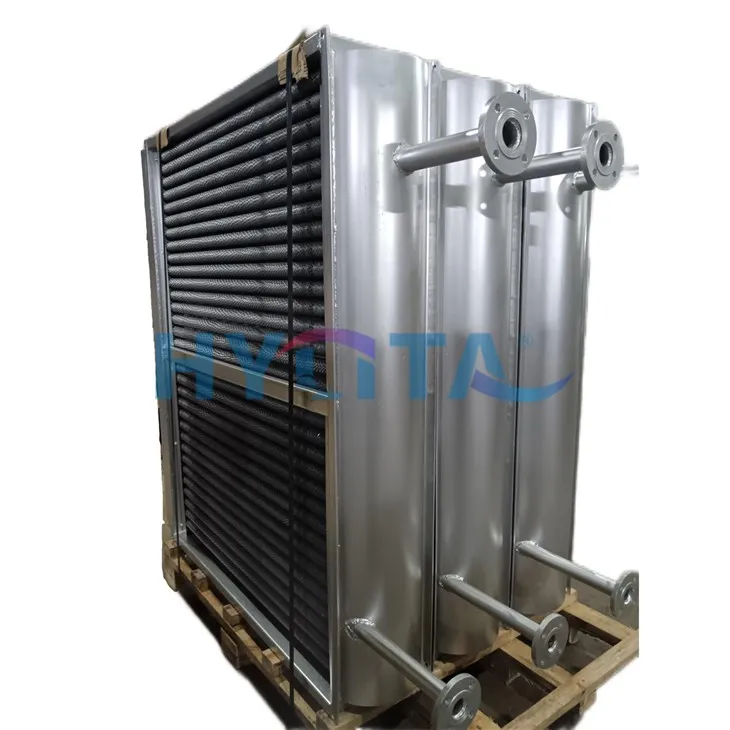
Finned Oil Cooler, Oil cooled Industrial Cooler, Water cooled Industrial Cooler