




Precision-Engineered Shell & Tube Heat Exchangers for Oil, Chemical, and Power Industries
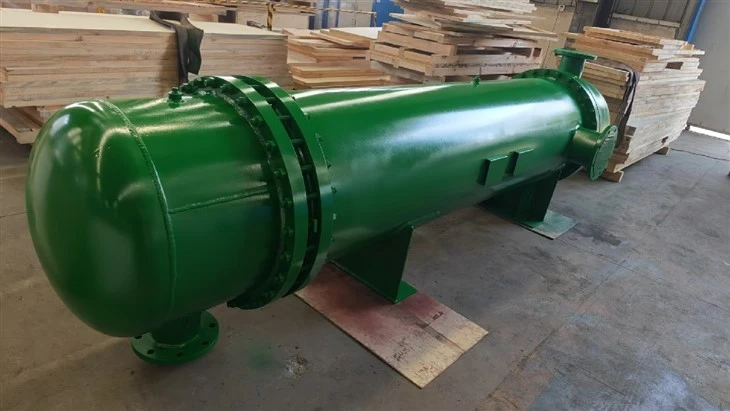
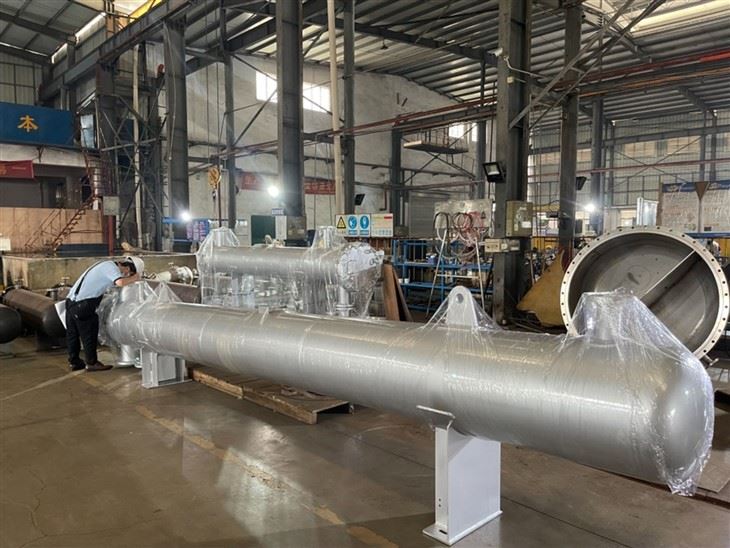
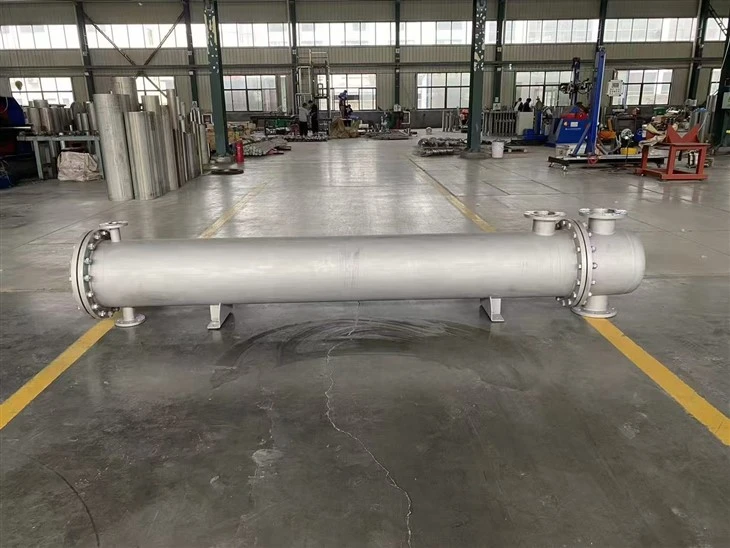
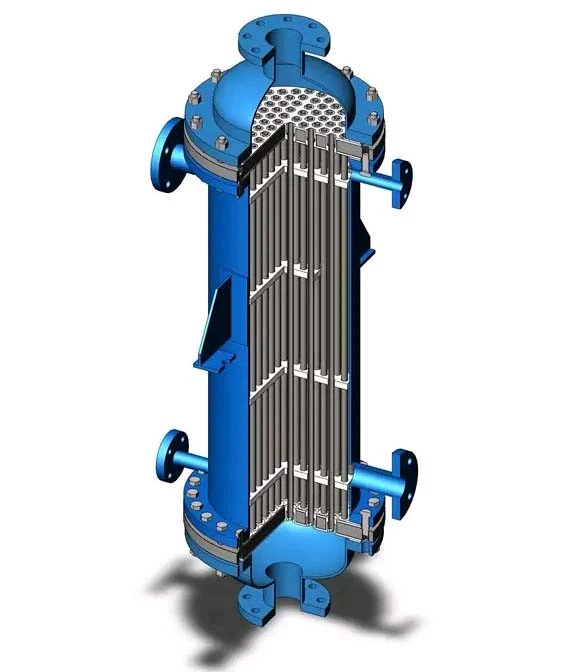
Shenzhen Hylita Shell & Tube Heat Exchangers consist of a shell with traditional plain tubes or enhanced surface tubes for high thermal performance. The fluids can be liquids or gases, one of which flows inside the tubes while the other flows outside the tubes within the shell. It is the most widely used heat exchanger in oil refineries and large chemical plants and is suitable for higher pressure applications.
product key technologies
Engineering Standards & Fabrication Quality
We don't just build equipment; we deliver compliance and safety. Every unit starts with rigorous thermodynamic modeling using industry-leading software to ensure your specific process requirements are met.
Manufacturing Compliance:
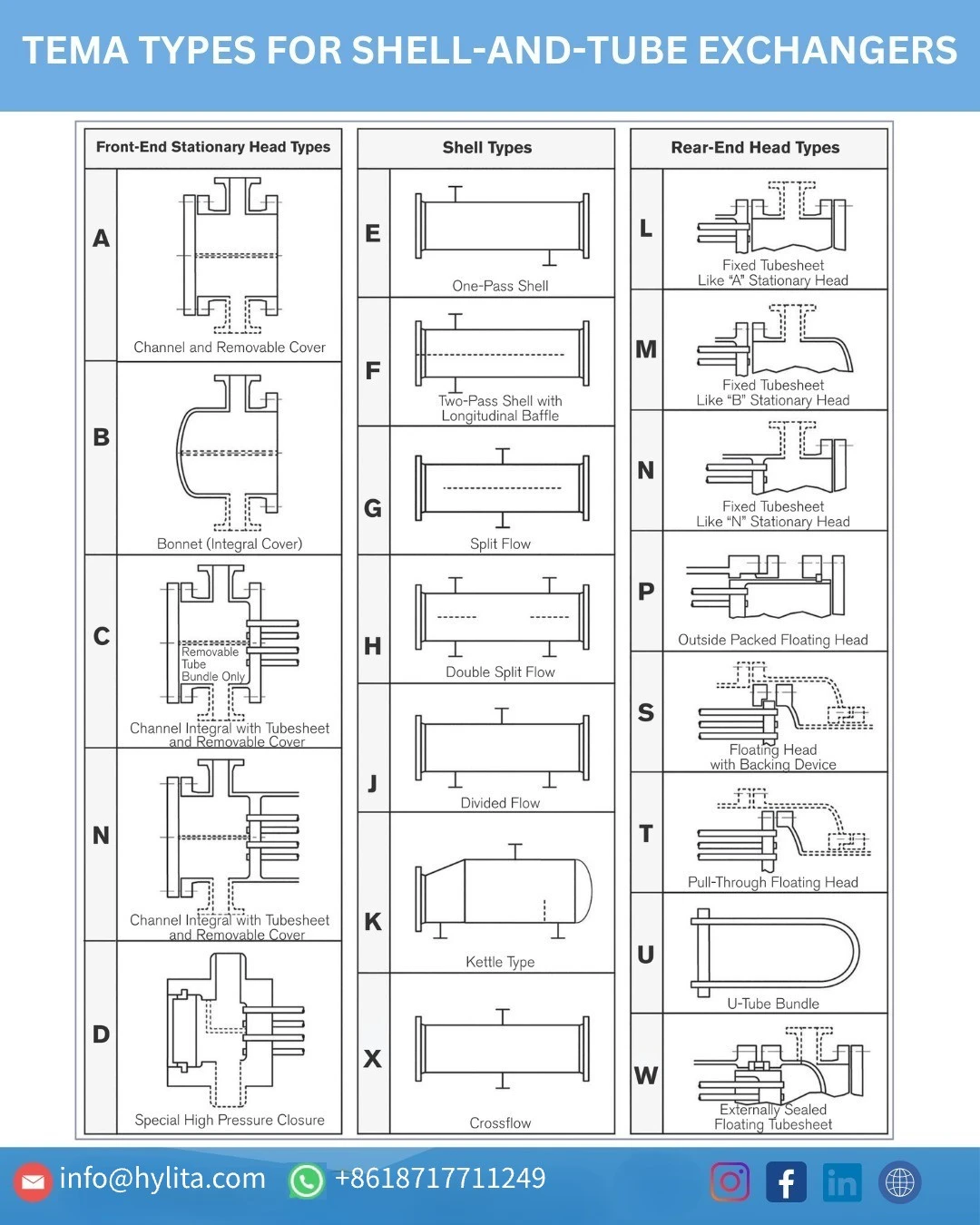
Design Codes: Full adherence to TEMA standards and EN 13445 (Pressure Vessel Directive).
Regulatory Compliance: Aligned with the 2014/68/EU PED (Pressure Equipment Directive).
Material Integrity:
- Body/Heating Tubes: EN 10216 & EN 10217 compliant.
- Tube Sheets/Covers/Baffles: Manufactured to EN 10025 & EN 10028.
- Flanges: EN 1092 standard for precise fluid and pressure classes.
Final Inspection: All units undergo hydrostatic pressure testing and custom painting before delivery. CE certification files are available upon request.
Anatomy of Efficiency
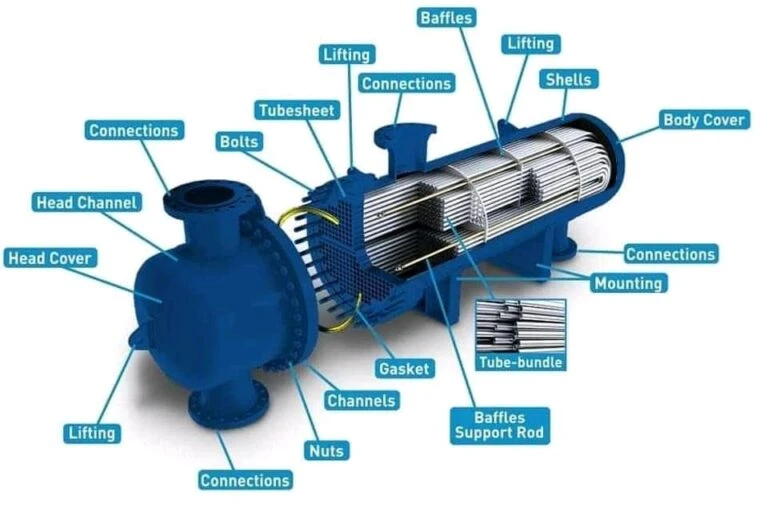
Our exchangers are constructed from four critical assemblies, each optimizing fluid dynamics:
- Stationary Head (Front Channel): The entry point that regulates flow distribution into the tubes.
- Rear Head: Manages the exit or redirection of fluid in multi-pass configurations, crucial for thermal efficiency.
- The Tube Bundle: The thermal core containing tubes, tube sheets, and baffles. Our baffle designs are calculated to maximize heat transfer while minimizing pressure drop.
- The Shell: The pressure vessel that houses the bundle, facilitating shell-side fluid interaction.
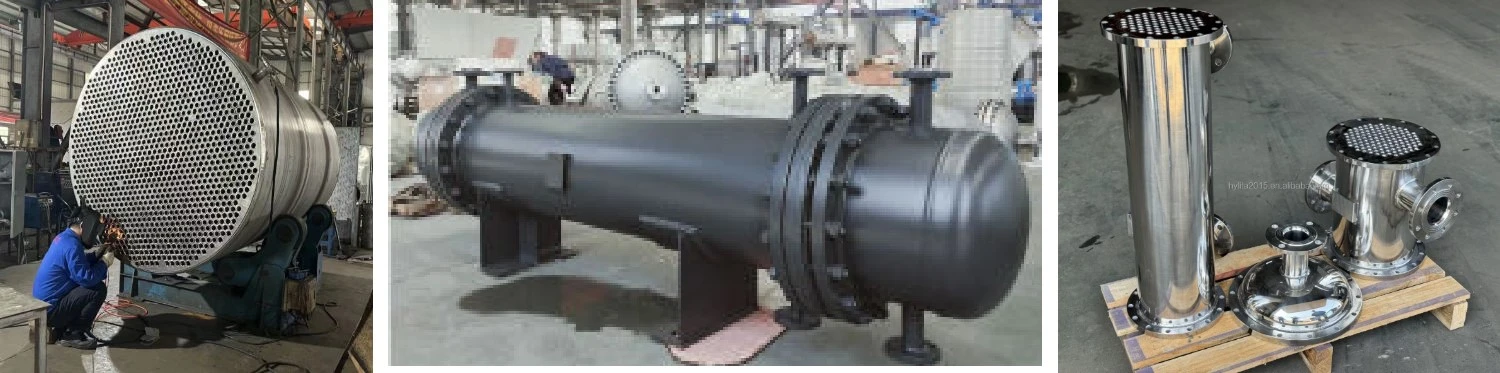
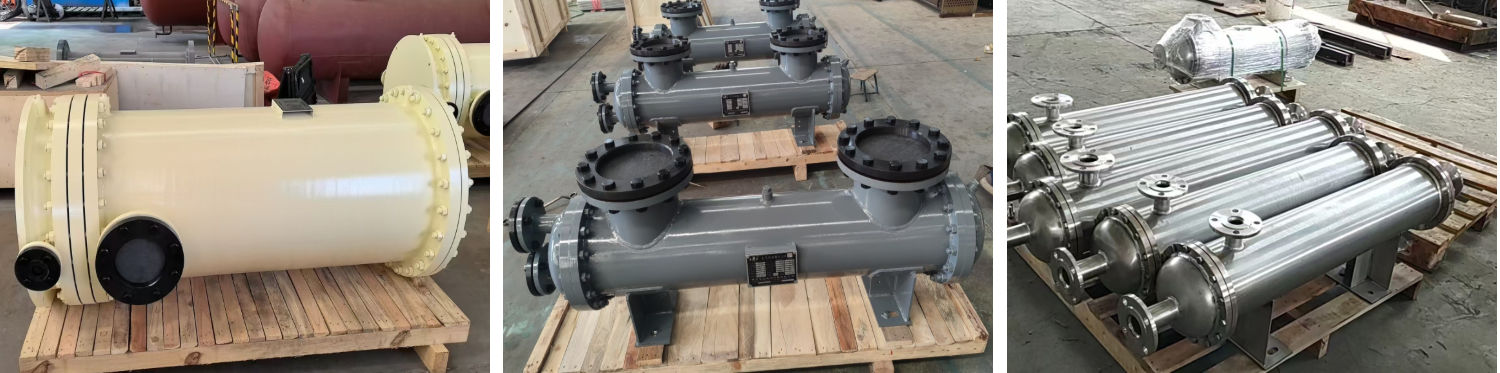
Note: We manufacture all TEMA designations, including Channels A-D, Shells E-X, and Rear Heads L-W, offering both fixed and removable bundle options.
MATERIAL and TECHNICAL PARAMETERS
- Shell Diameter : 3700mm (max)
- Length : 25m (max)
- Weight : 70 tons (max)
- Operating Pressure: 1000bar (max)
- Our main engineering materials that we use in heat exchanger manufacturing according to customer request and process information,
- Carbon steel,
- Low Alloy Steel,
- Stainless steel,
- Duplex Stainless Steel,
- Copper and Copper Alloys,
- Copper-Nickel Alloys,
- Nickel,
- Nickel Alloys,
- Titanium.
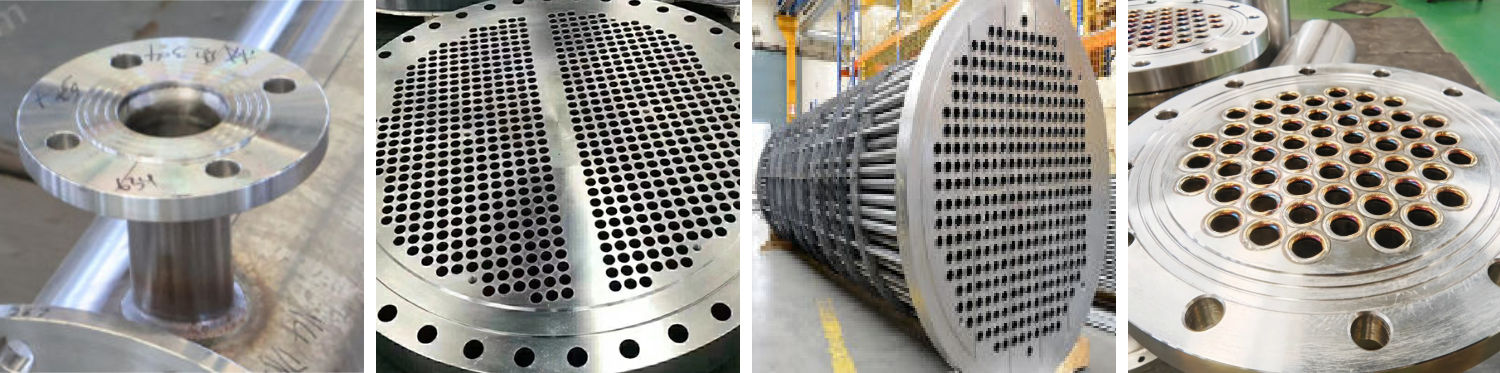
ADVANTAGES & DISADVANTAGES OF SHELL AND TUBE HEAT EXCHANGER
ADVANTAGES
They can be designed and manufactured to operate under very high pressures.
They have an extremely flexible and fixed design.
They can be designed and manufactured to withstand very high and very low temperatures.
They are resistant to thermal shocks.
No size limit.
They can be used in all applications.
Pressure loss is at a minimum and can be kept to a minimum for process purpose.
They can be disassembled and reassembled for maintenance, repair and cleaning.
Tube diameter, tube number, tube length, tube pitch and tube placement can be changed. Therefore, the designs of tube heat exchangers are quite flexible.
DISADVANTAGES
The heat transfer coefficient is lower, so the heat transfer areas are usually large,
Cleaning and maintenance is inconvenient as movement space is required to remove the inner tubes,
In case of need, the heat exchanger capacity cannot be increased.
Why Choose Shell & Tube Technology?
Operational Resilience
These units are the workhorses of the industry. They excel in high-pressure environments and withstand severe thermal shocks that would compromise other exchanger types. From cryogenics to superheated steam, their operating range is vast.
Flexible Scalability
There are virtually no limitations on size. Whether you need a compact oil cooler or a massive petrochemical unit, the design adapts. Tube pitch, count, length, and layout are fully customizable.
Maintenance Friendly
Designed for the real world, our units allow for disassembly, making cleaning and repairs straightforward.
Engineering Considerations (Pros & Cons)
While Shell & Tube exchangers are unmatched in durability and pressure handling, they do typically require a larger footprint than plate exchangers to allow for tube bundle removal. They are designed for reliability over compactness.
Industry-Specific Solutions
We tailor thermal solutions to your exact application.
STEAM SHELL & TUBE HEAT EXCHANGERS
Steam Heat Exchangers are used for heating gas, water, oil and similar fluids by utilizing steam energy. These are one of the most efficient heat exchangers by enabling constant steam temperature during condensate generation
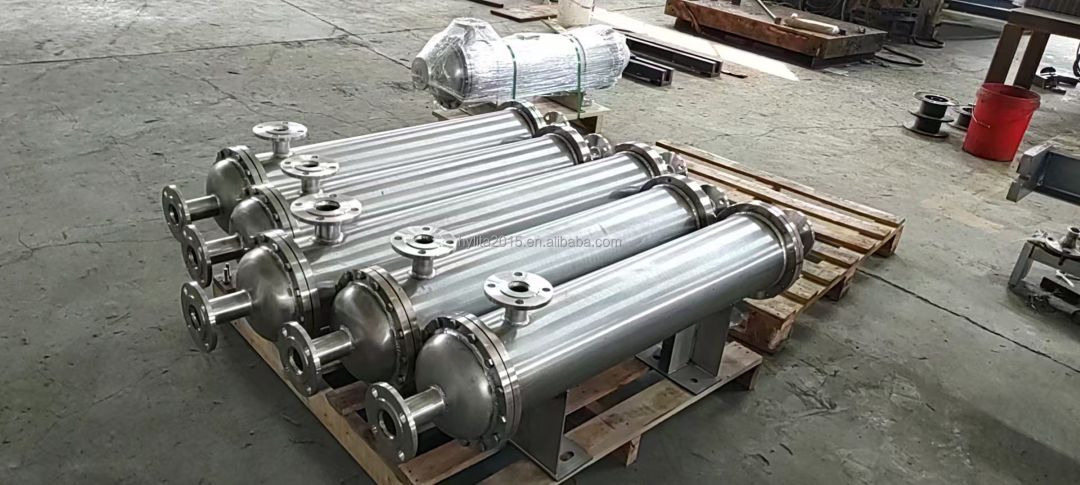
SUPERHEATED and HOT WATER HEAT EXCHANGERS
Hot water heat exchangers are used for heating gas, water, oil and similar fluids by utilizing superheated and hot water energy. Hot water heat exchangers offer a simple and effective solution. Armature of hot water heat exchangers are less costly compared to other processes.
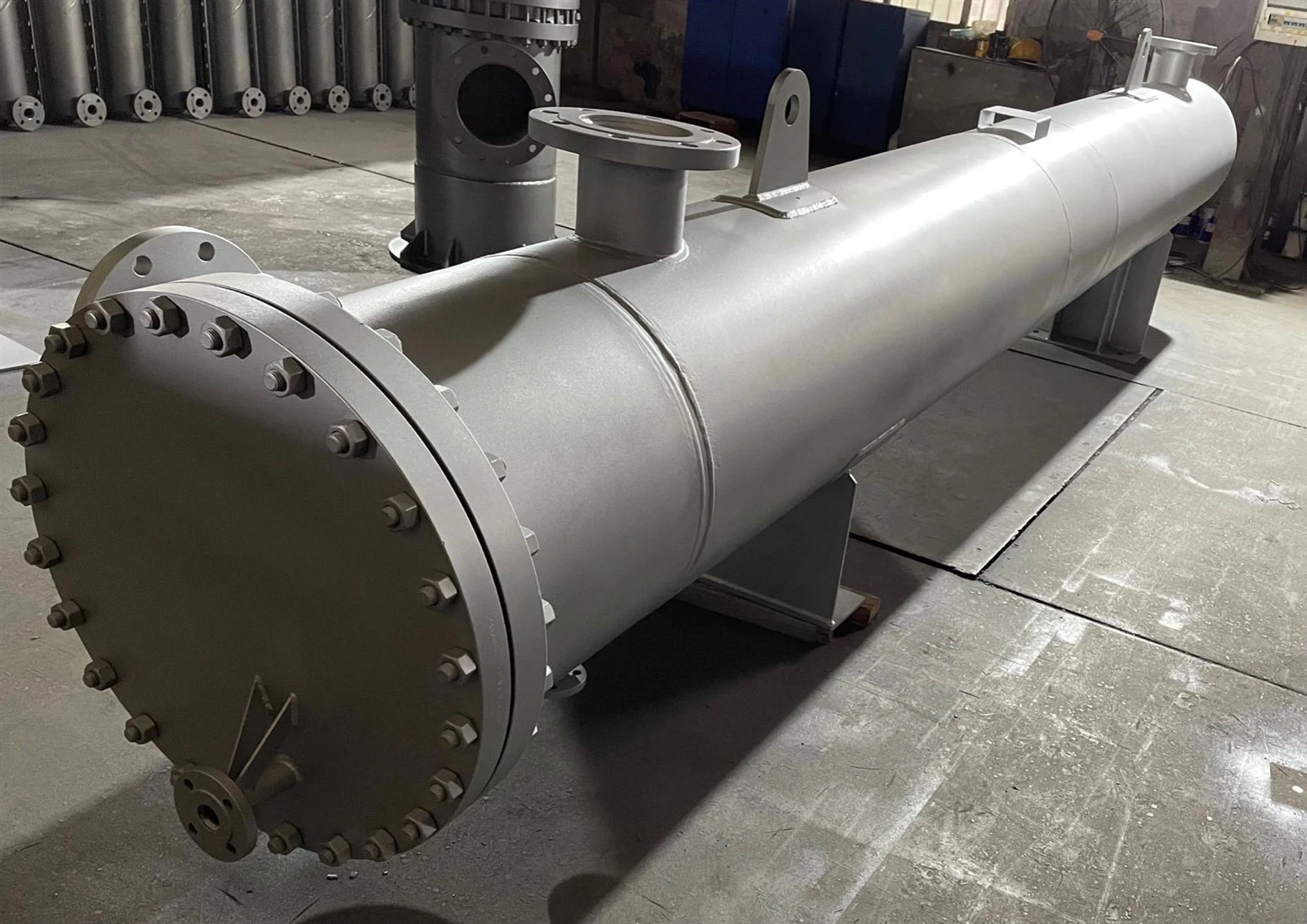
SWIMMING POOL HEAT EXCHANGERS
Shell and Tube type heat exchangers produced for use in swimming pool heating are generally produced from 316L or 316Ti material. There is a usage area from small pools to large olympic pools in the range of 15KW-1750KW.
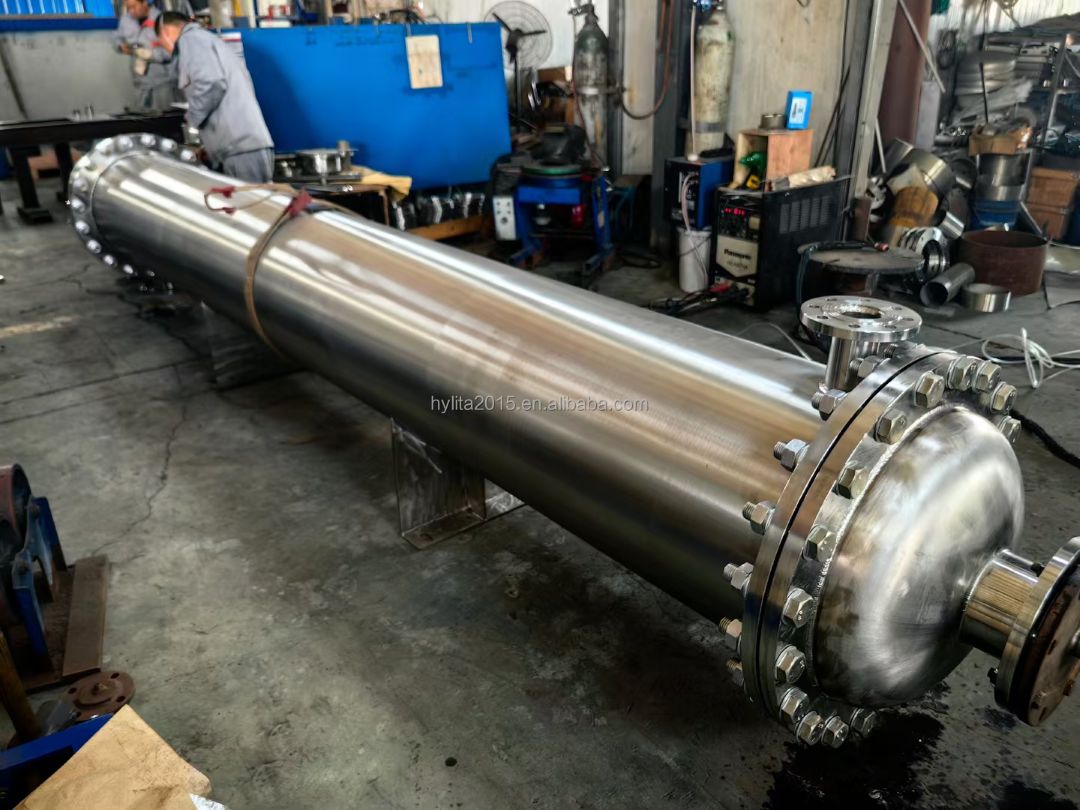
EXHAUST GAS HEAT EXCHANGERS
Exhaust Gas Shell and Tube Heat exchangers are used to increase the efficiency of stationary engines in combined cycle power plants, cogeneration and trigeneration systems. The energy obtained from cooling the exhaust gas is generally used to heat water or hot oil.
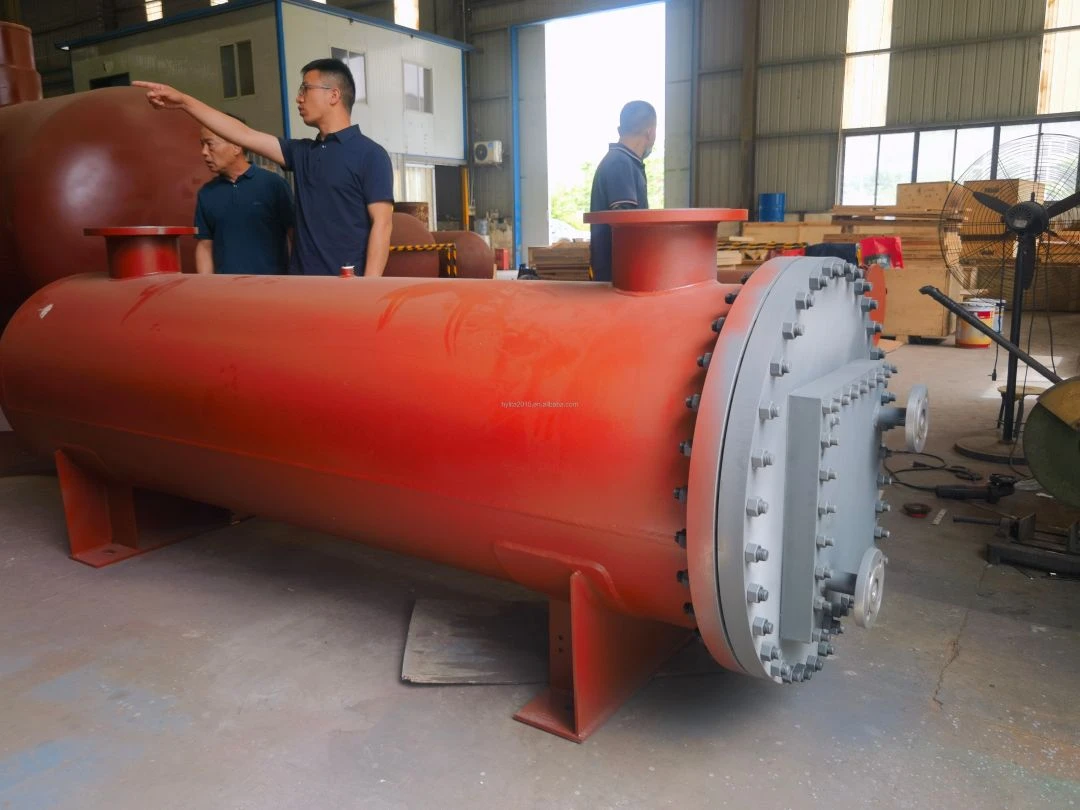
OIL COOLER HEAT EXCHANGERS
Oil cooler Shell and Tube heat exchangers are used for cooling of heat transfer oils, lubricating oils and cooling oils. These high quality products are produced with the combination of the best materials and the latest production techniques.
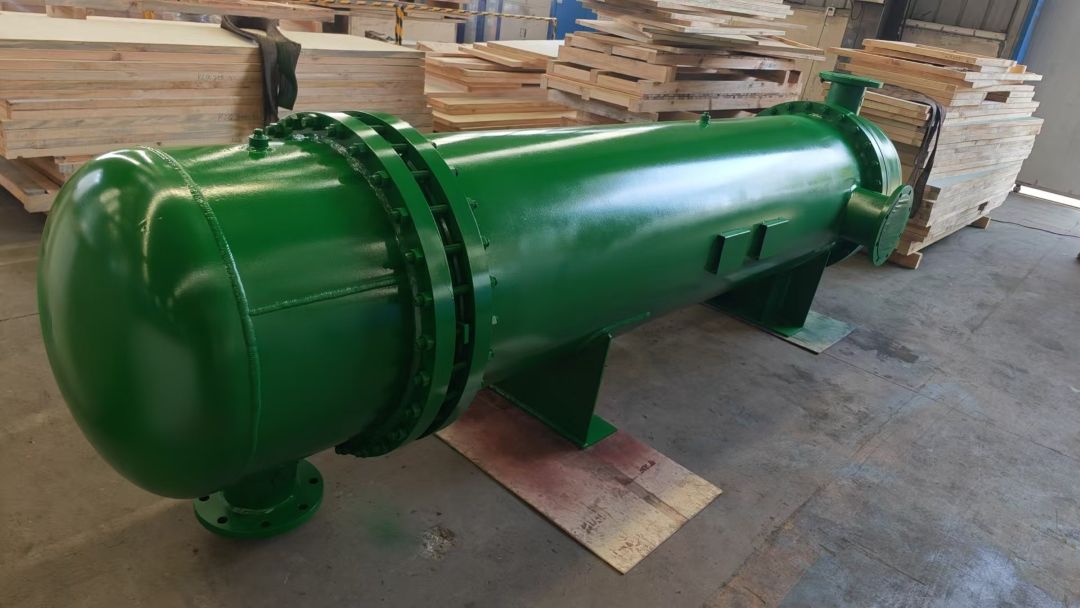
DOUBLE PIPE HEAT EXCHANGERS
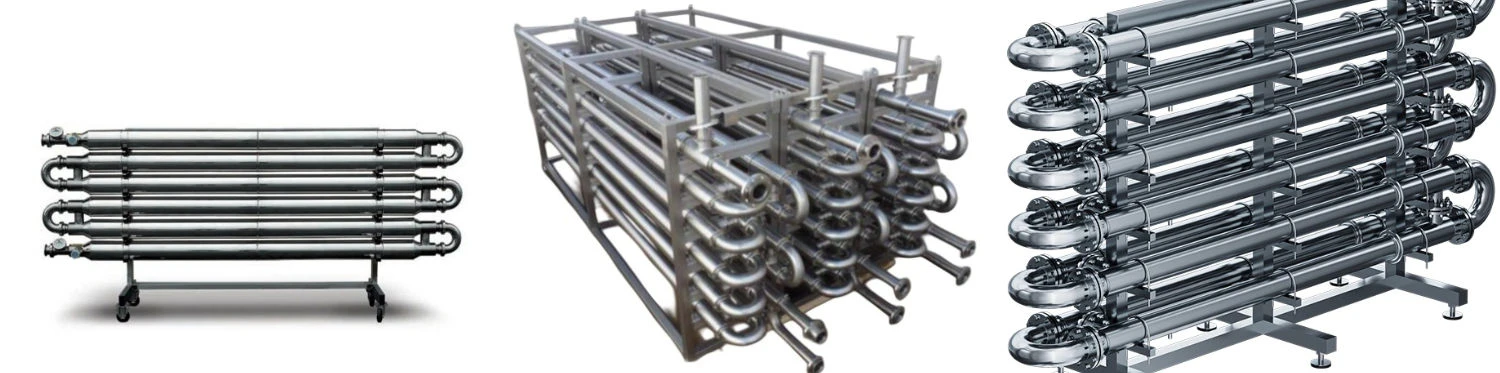
It is frequently used in the food and pharmaceutical industries thanks to its high heat transfer. They are specially designed corrugated double pipe heat exchangers. While the product passes through the inner tube, the heater or refrigerant flows between the inner and outer tubes. Corrugated inner tube increases heat transfer. Thanks to the double pipes, even in case of a puncture, the fluids do not mix with each other.
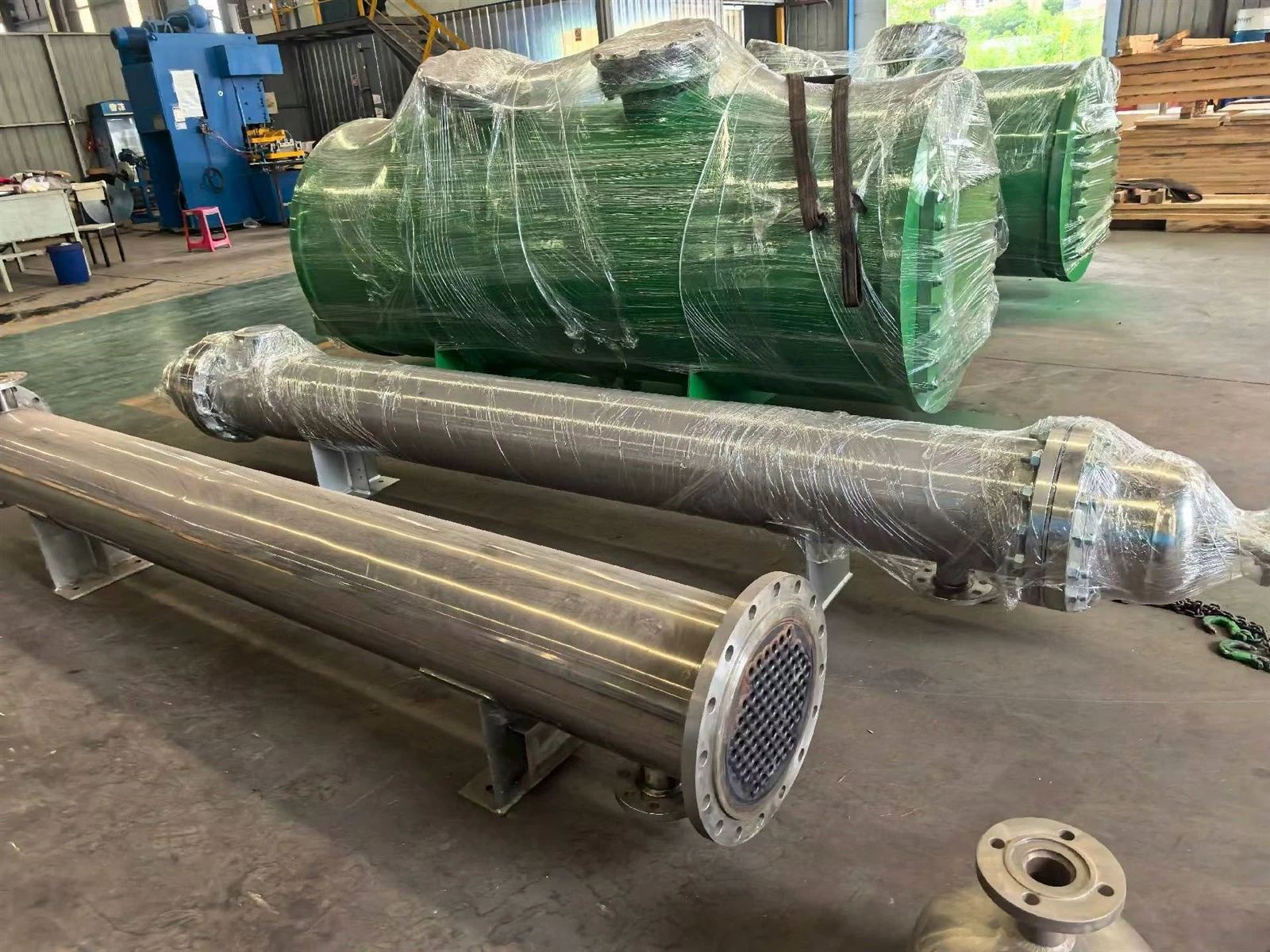
EVAPORATOR AND CONDENSER
Evaporators are heat exchangers used to enable another fluid from waste gases or similar fluids to pass from liquid state to gas state at high temperatures.
Condensers are heat exchangers produced for the purpose of condensing secondary refrigerant or gas fluids by utilizing the energy of the process air.
Key Benefits for Your Industry
Customizable to Specific Equipment Requirements
Shell and tube heat exchangers feature a modular design with a wide range of configurations, allowing precise adaptation to various operating conditions for optimal performance.
High Versatility & Flexibility
The unit supports multiple materials, flow arrangements, tube bundle layouts, and fluid flow patterns (counter‑current, cross‑flow, parallel flow).
Sturdy & Durable Structure
Typically constructed with carbon steel, stainless steel, or special alloys, the heat exchanger withstands high pressure, extreme temperatures, and corrosive media, making it ideal for demanding industrial environments.
Easy Operation
With a simple and reliable working principle, shell and tube heat exchangers require no complex control systems and can be easily integrated into existing production systems.
High Heat Transfer Efficiency
The design maximizes heat exchange surface area within a compact footprint, greatly improving overall thermal performance.
Flexible Design
Suitable for clean or fouled fluids, single‑phase or two‑phase flow, to meet diverse heat transfer needs. Multi‑pass designs and removable heads are available for mechanical or chemical cleaning.
Easy Maintenance
Removable end covers (optional) provide direct access to heat exchanger tubes, enabling regular inspection, cleaning, and maintenance, reducing downtime and ensuring stable, cost‑effective operation.
Long Service Life
With proper maintenance and suitable material selection based on fluid and operating conditions, the heat exchanger can operate efficiently for decades.
Lower Operating Costs
High thermal efficiency, low maintenance requirements, and long service life help reduce energy consumption and total operating expenses. Customized design avoids over‑sizing and supports future upgrades and process modifications.
Customer Case Photos
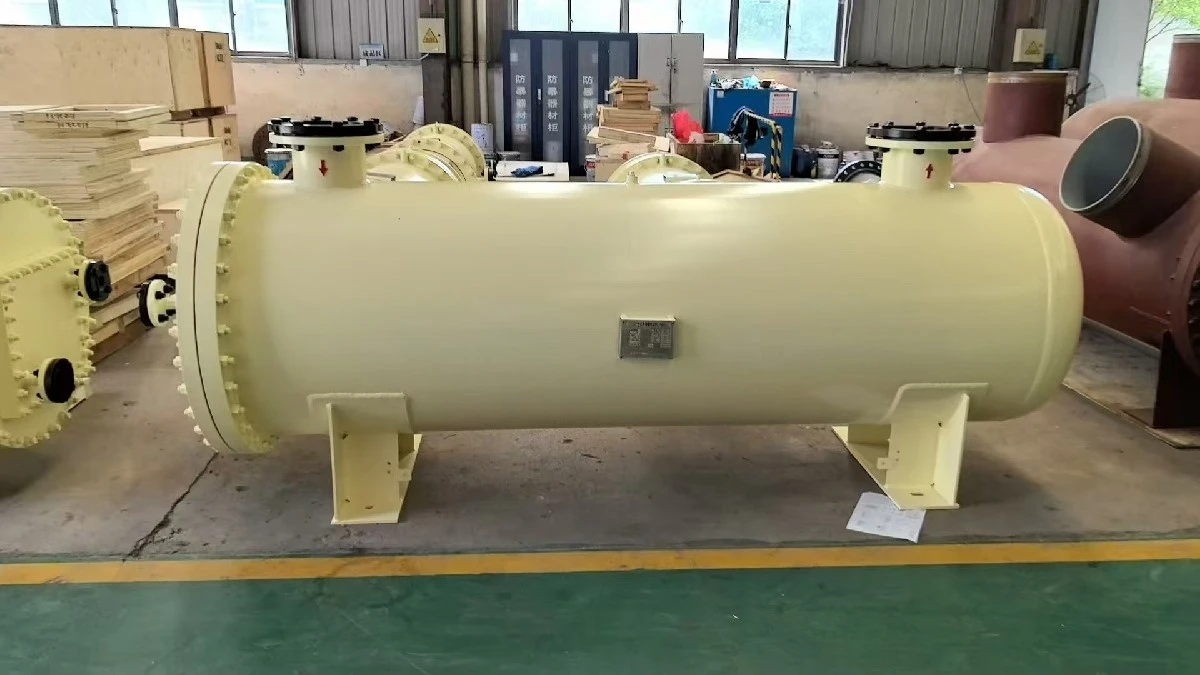
Country: USA
Application: Crude oil pre-heater for refinery distillation
Material: Carbon Steel Shell / Carbon Steel Tubes
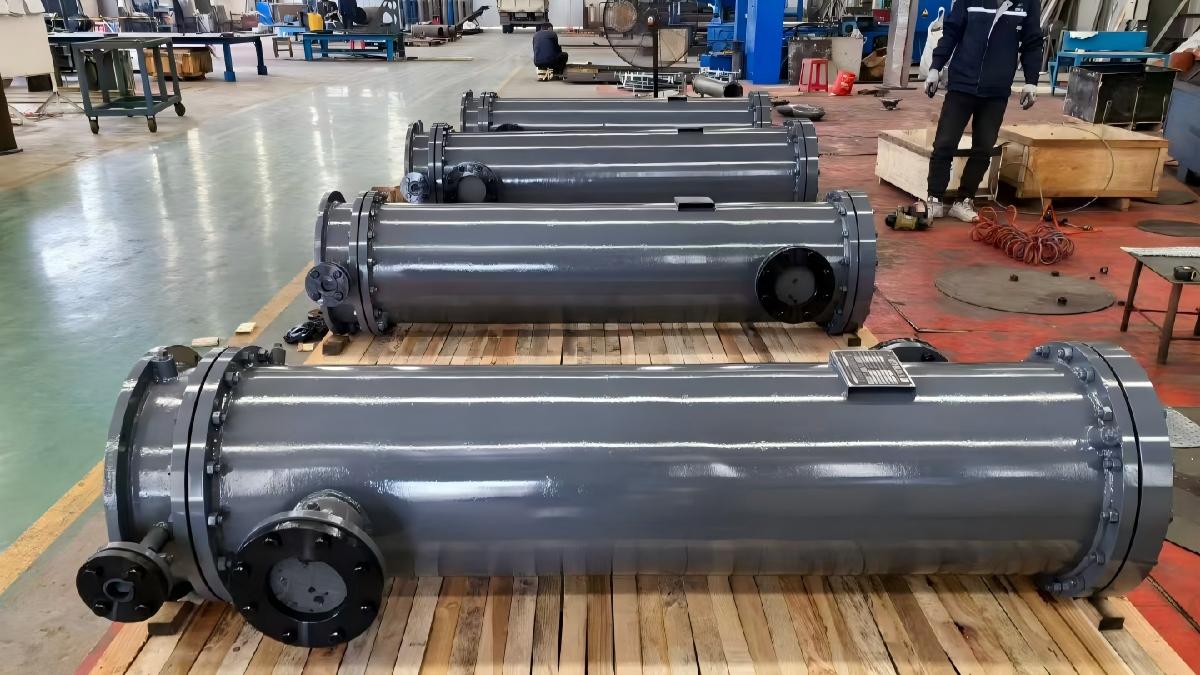
Country: Saudi Arabia
Application: Natural gas cooler for processing plant
Material: SS316L Tubes / Carbon Steel Shell
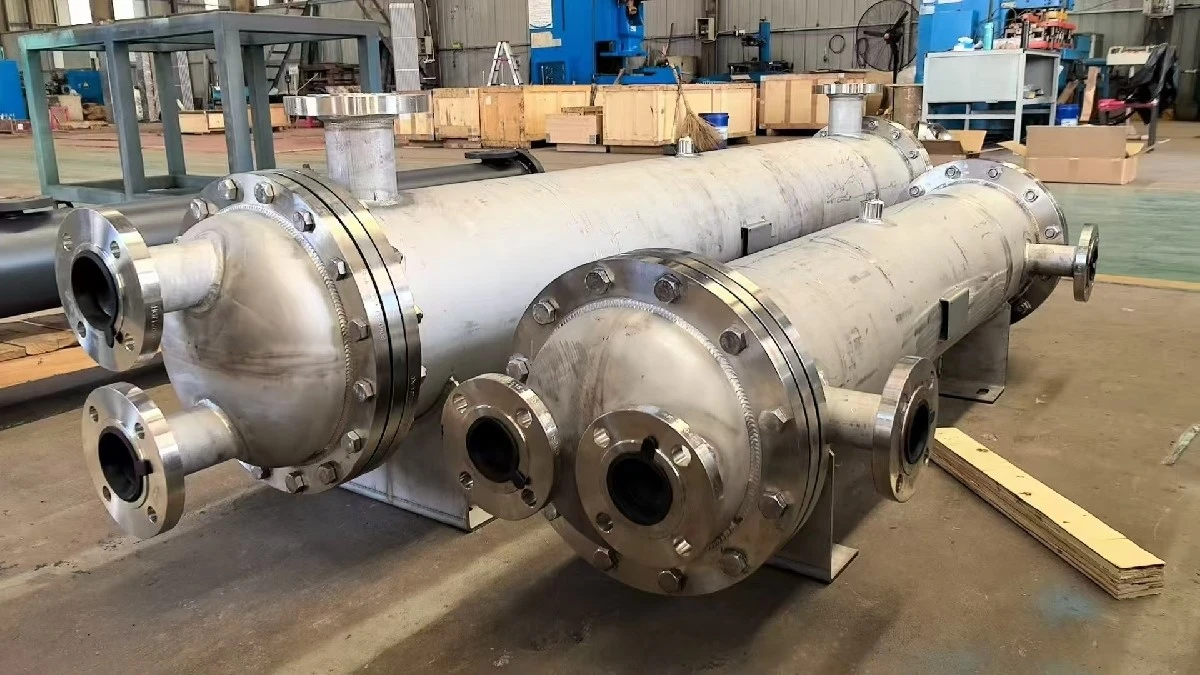
Country: Germany
Application: Chemical reactor condenser with floating head
Material: Full Stainless Steel 316L
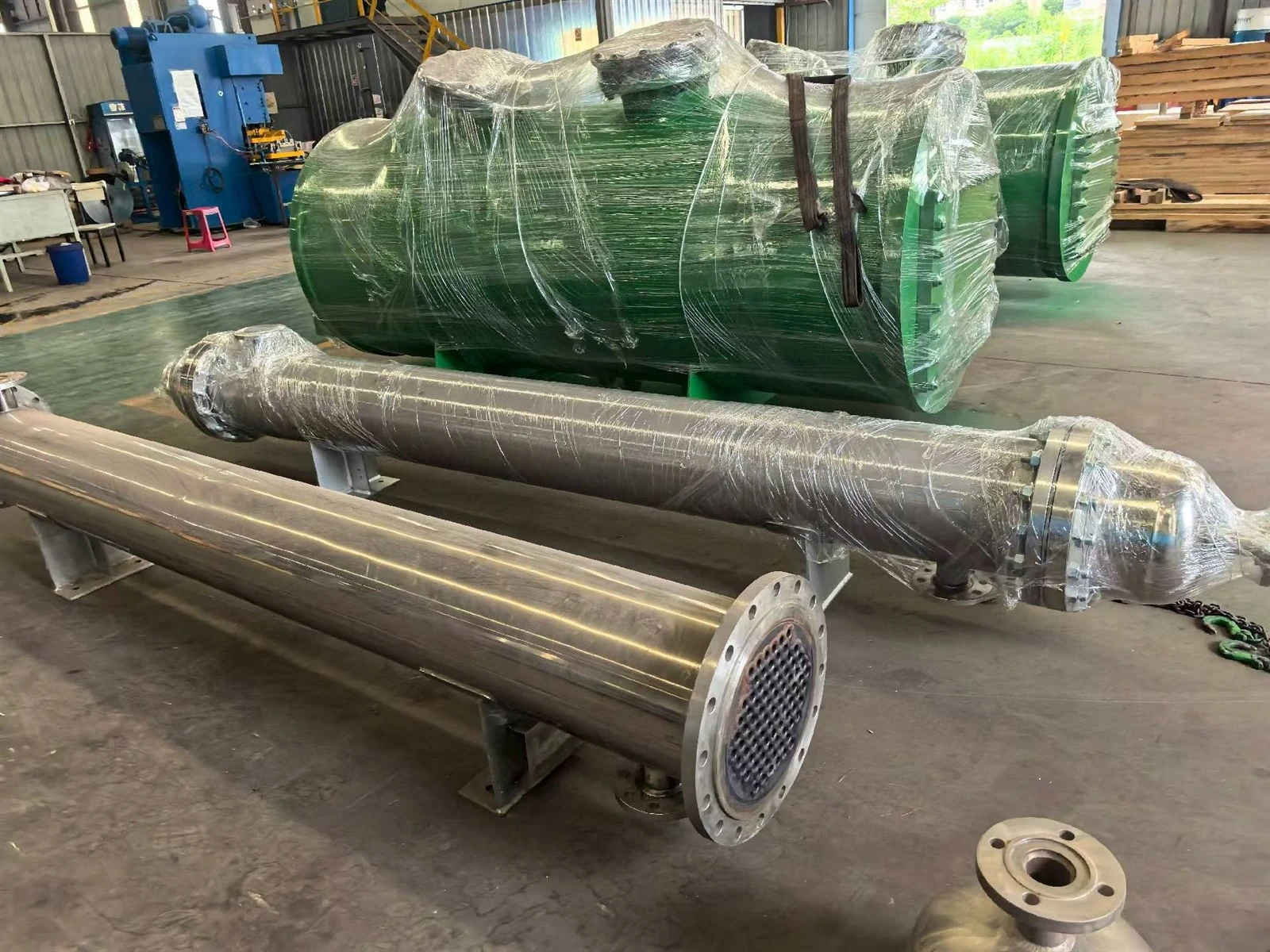
Country: Russia
Application: District heating water-to-water heat exchanger
Material: Fixed Tubesheet Design
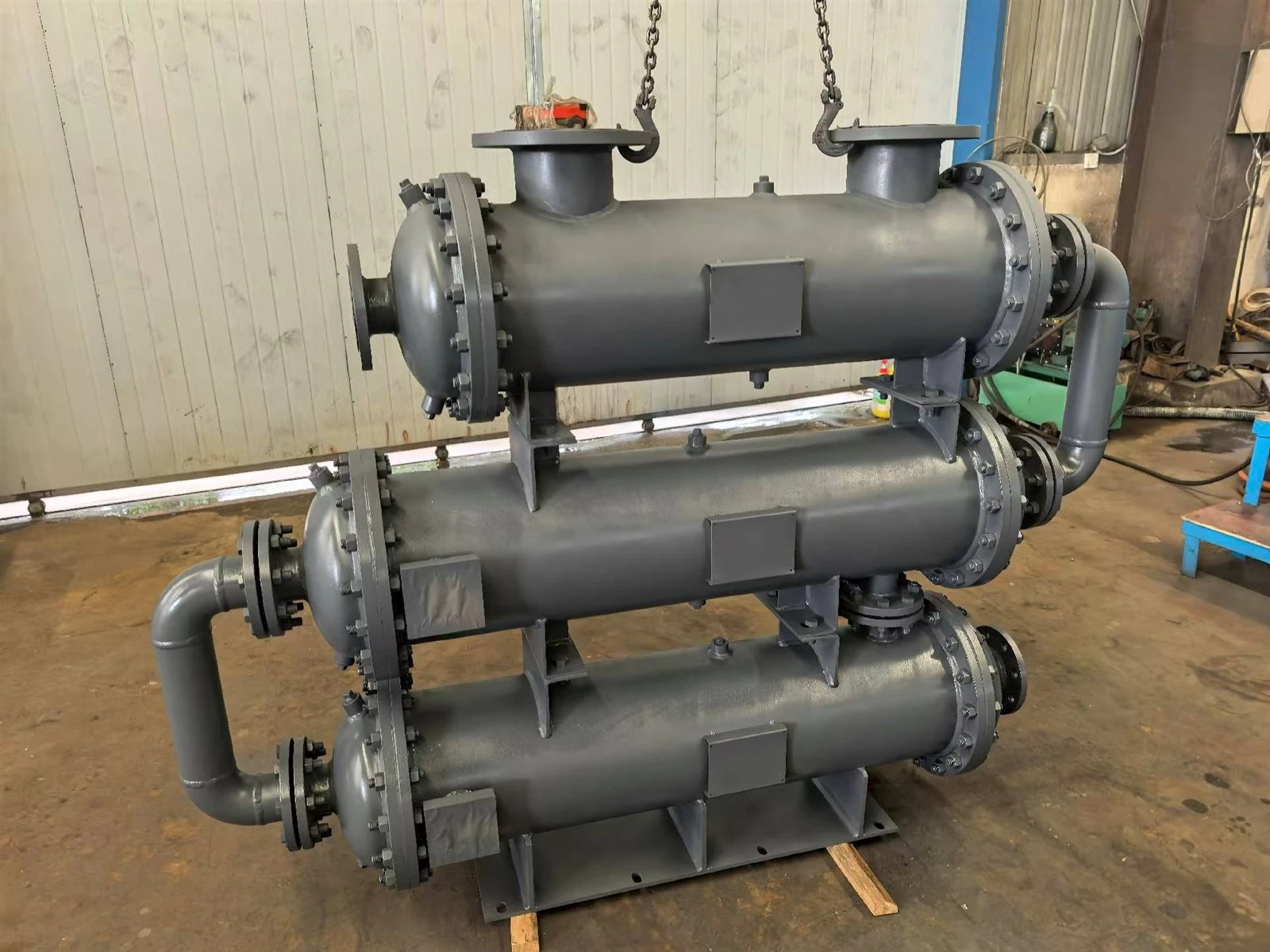
Country: Indonesia
Application: Palm oil cooler for fractionation plant
Material: Carbon Steel / Food Grade Paint
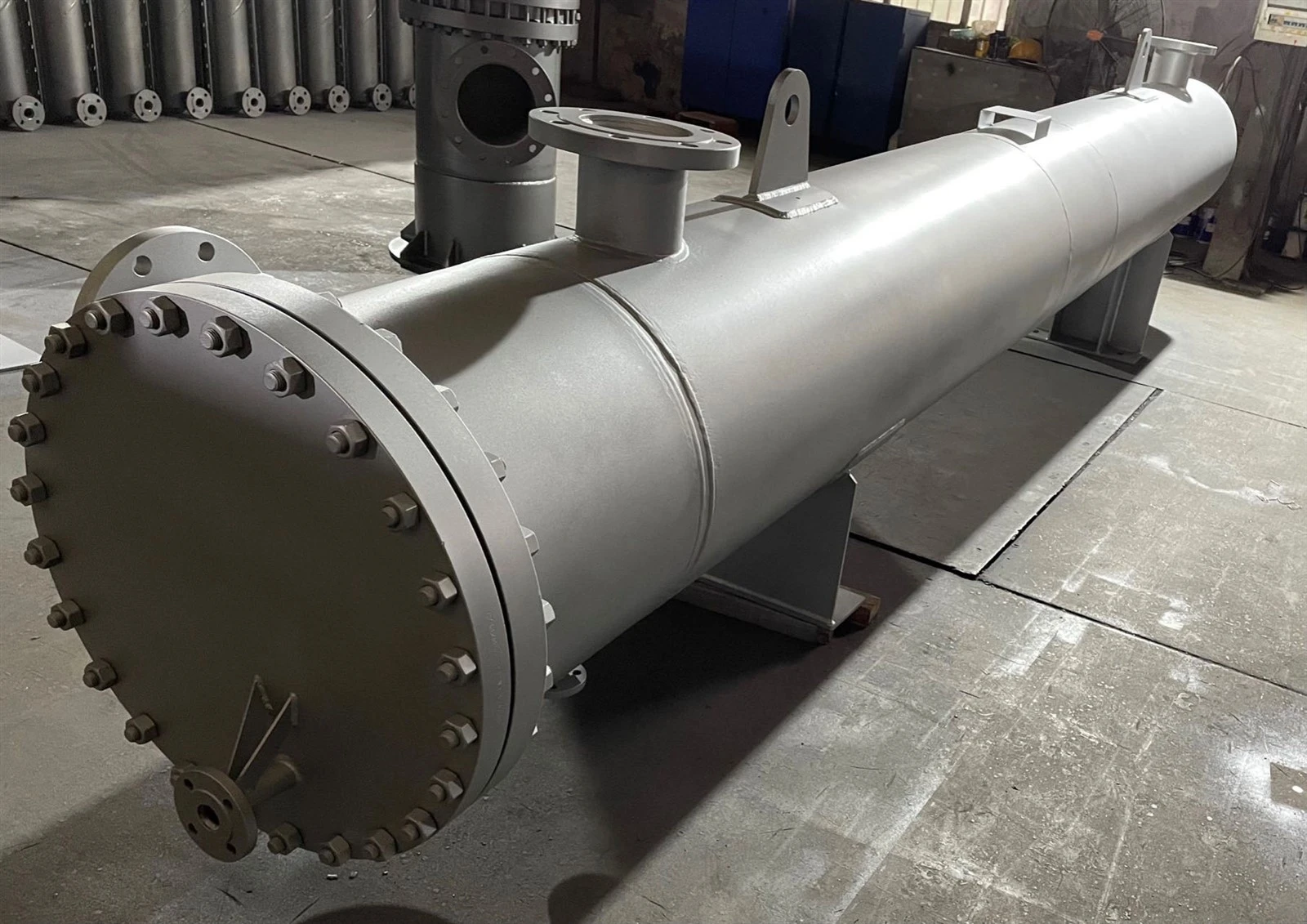
Country: Australia
Application: Mining process water cooler (U-Tube)
Material: Titanium Tubes for Saline Water
why choose us
Professional Heat Exchanger Solutions
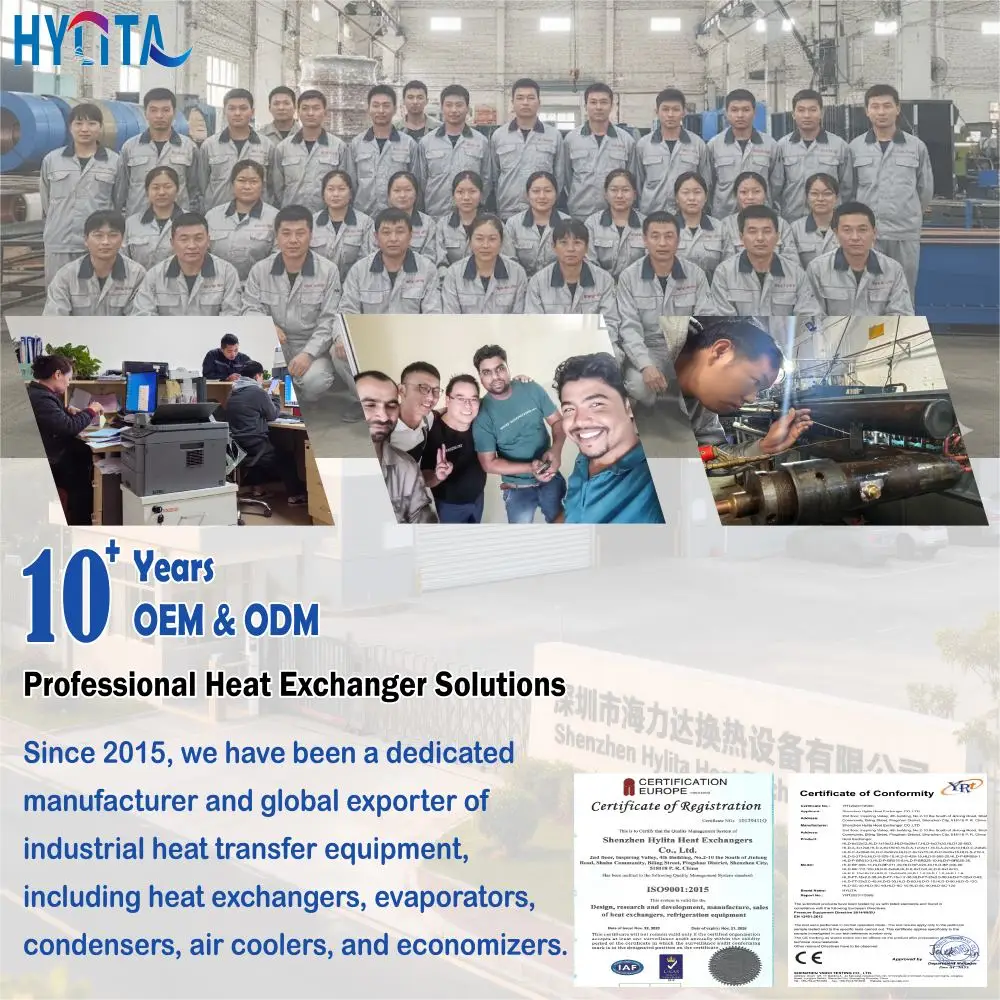
Shenzhen Hylita Heat Exchanger Co., Ltd.
Our headquarters is located in Shenzhen, with branch offices in Guangzhou, Tangshan, and Wuhan.
We supply a comprehensive portfolio of heat exchangers serving the industrial, food & beverage, HVAC, marine, air handling and
cooling, petrochemical, power generation, and refrigeration sectors.
heat recovery units(Boiler Economizers) are available in both direct-replacement models (100% compatible with OEM specifications) and fully customized configurations engineered to meet specific application requirements.

Packing & Delivery
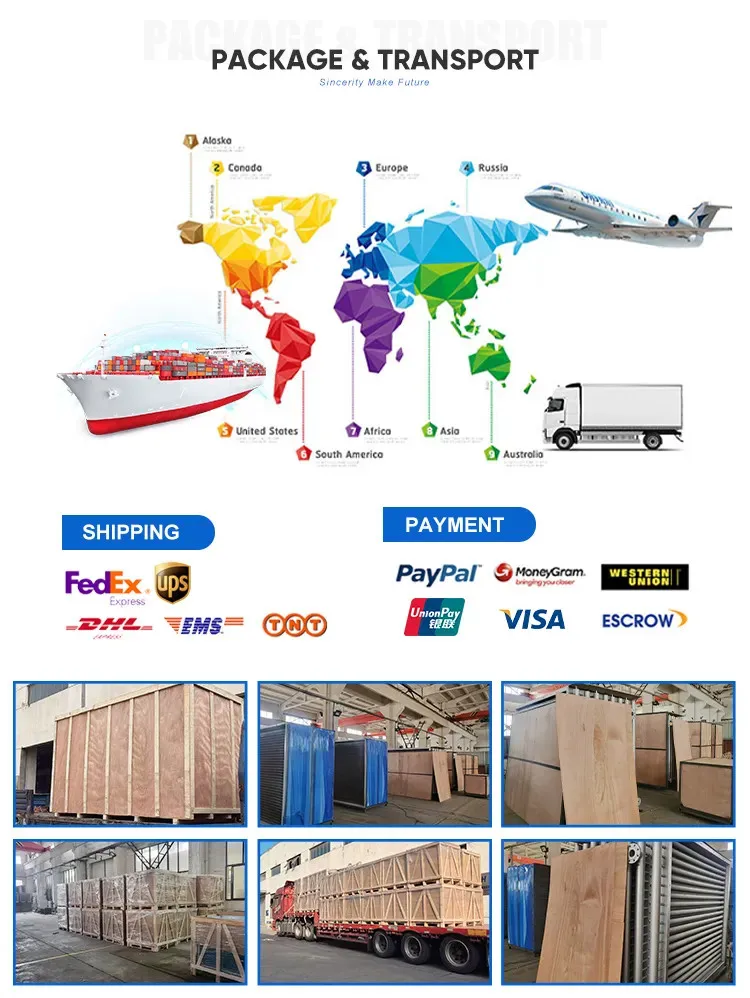
Standard packaging is wooden crates.
For exports to European countries, the wooden crates undergo fumigation treatment.
If container space is limited, we can switch to PE film packaging or accommodate special packaging requests from customers.

Not sure which exchanger you need?
Our expert team can analyse your process and recommend the best solution.
Frequently Asked Questions
What data is required for a quote?
A: Absolutely. We fabricate using high-grade alloys like Titanium and Hastelloy for corrosive environments.
Can you handle aggressive fluids?
A: As these are custom-engineered units, production typically takes 20 to 36 weeks, depending on complexity and material availability.
What is the typical lead time?
A: As these are custom-engineered units, production typically takes 4 to 8 weeks, depending on complexity and material availability.
How does this compare to plate exchangers?
A: Shell & tube units offer superior durability, higher pressure ratings, and are easier to clean when dealing with dirty or fouling fluids.
Hot Tags: Precision-Engineered Shell & Tube Heat Exchangers for the rigorous demands of oil, gas, and petrochemical processing, China Precision-Engineered Shell & Tube Heat Exchangers for the rigorous demands of oil, gas, and petrochemical processing manufacturers, suppliers, factory, Ammonia Gas Shell Tube Exchanger, Pool Heat Exchange, Shell And Tube Evaporator, shell and tube heat exchanger, Shell in Tube Condenser, Tubular Heat Exchanger For Power Generation


