


Tube in Tube Heat Exchanger
Your Professional Tube In Tube Heat Exchanger Supplier
Shenzhen Hylita Heat Exchange Equipment Co., Ltd. was established on July 2, 2015, located in Maluan Chuanggu Industrial Park, Jinlong Avenue, Shahu Community, Biling Street, Pingshan District, Shenzhen. The company focuses on the development and sales of refrigeration and heat exchange equipment technology, and also involves fields such as metal processing and component manufacturing.we have always been guided by meeting customer needs, continuously optimizing products and services, and gradually emerging as a promising enterprise in the field of heat exchange equipment.


Why Choose Us
Production Market
Our heat exchanger products are popular in multiple regions around the world, particularly in Southeast Asia where they are highly favored by customers in countries such as Indonesia, Malaysia, and Thailand. Due to the vigorous development of industry in Indonesia, the demand for heat exchangers has surged.
Our Service
Shenzhen Hylita Heat Exchange Equipment Co., Ltd. has established a full process service system to provide customers with professional and thoughtful support.
Our Factory
Shenzhen Hylita Heat Exchange Equipment Co., Ltd. is located in Guangdong, China, with a spacious factory of nearly 4000 square meters. There are currently 45 workers, and the annual production equipment requires over 20 million tons of metal materials.
On-Time Delivery
Our supply chain management and production processes operate efficiently to ensure your orders are delivered punctually.
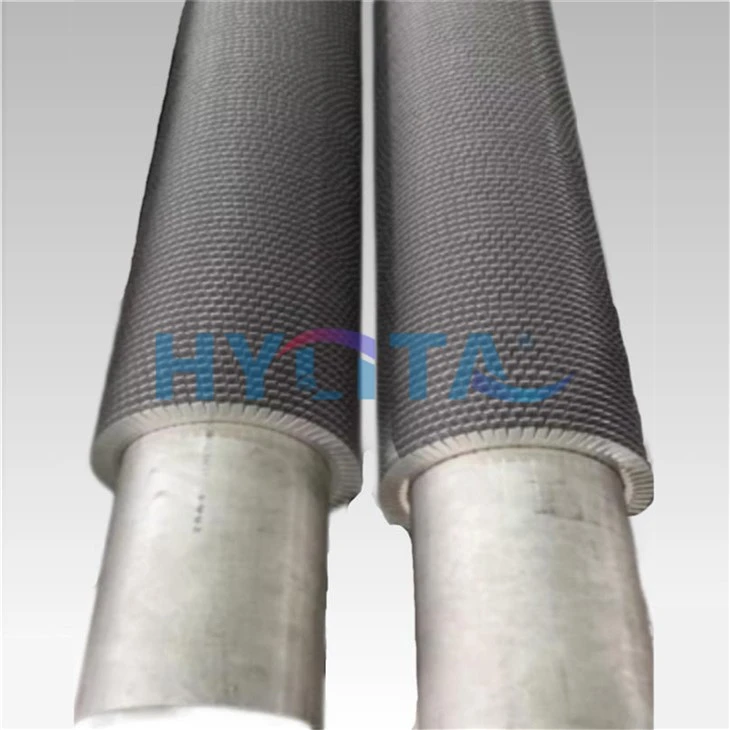
Highly efficient: Since it is apure counter-flow heat exchanger, you can expect a highly efficient heat transfer mechanism. All thanks to the additional grooves on the inner tube’s surface that have been textured to improve heat transfer on the refrigerant side.
Corrosion Resistance: These heat exchangers are actually made to last. The strong and reliable structure forms due to fewer solder joints. In addition, they are made from a non-corrosive material, making them suitable for even harsh working conditions.
Ergonomic design: The modular design is clear and straightforward and has a simple yet effective construction. According to different business needs, this particular tube-in-tube heat exchanger can be customized and manufactured in distinct shapes and sizes.
The Role of Coaxial Coil Heat Exchanger in Heat Pump Technology
Efficient Heat Transfer
One of the functions of a coaxial heat exchanger in heat pump technology is to facilitate efficient heat transfer between the working fluid and the surrounding environment. The concentric design of the heat exchanger allows for a large surface area for heat exchange, resulting in more efficient heating and cooling of the system.
Compact Design
Coaxial heat exchangers are known for their compact design, making them ideal for use in heat pump systems where space is limited. The concentric tubes allow for a smaller footprint compared to other types of heat exchangers, making them suitable for residential and commercial applications where space is a concern.
Durable Construction
Coaxial heat exchangers are typically made from high-quality materials such as copper or stainless steel, making them durable and long-lasting. This durability is essential in heat pump systems, where the heat exchanger is exposed to varying temperatures and pressures over time.
Versatile Applications
Coaxial heat exchangers are versatile and can be used in a variety of heat pump applications, including air-source heat pumps, ground-source heat pumps, and water-source heat pumps. Their compact design and efficient heat transfer capabilities make them suitable for a wide range of heating and cooling needs, from residential heating to industrial process cooling.
Energy Efficiency
One of the main benefits of using coaxial heat exchangers in heat pump technology is their energy efficiency. The large surface area for heat transfer allows for more efficient heating and cooling of the system, resulting in lower energy consumption and reduced operating costs.
Corrosion Resistance: Built with titanium or copper-nickel to withstand seawater corrosion, ensuring longevity in marine applications.
Compact Design: Space-saving “tube-in-tube” structure fits seamlessly into vessels with limited space.
High Efficiency: Spiral grooved inner tubes create turbulence, boosting heat transfer and reducing scaling.
Versatility: Available in multiple configurations (round, trombone, double helix) to suit various marine HVAC needs.
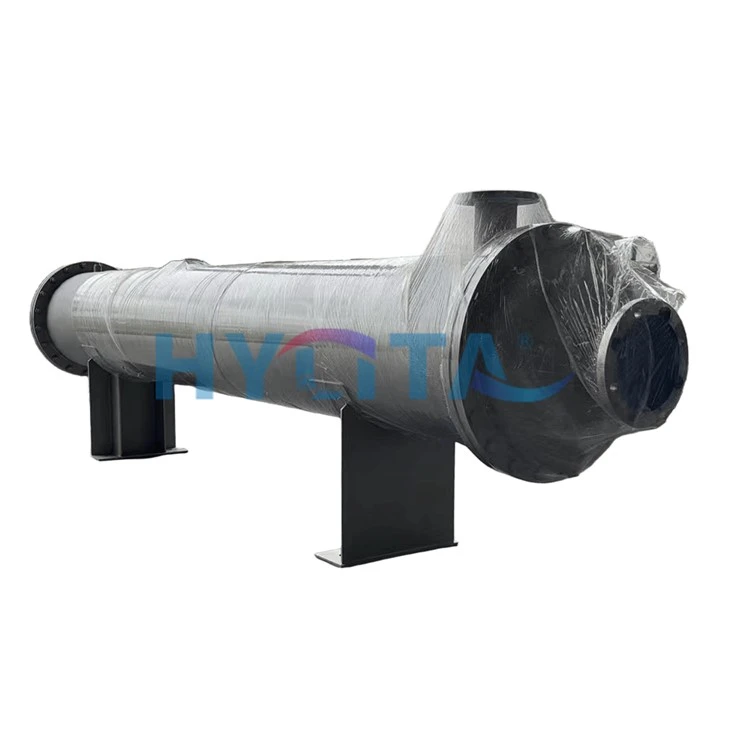
Maintenance Tips of Coaxial Coil Heat Exchanger
Regular Cleaning
Remove scaling with approved descaling agents to maintain heat transfer efficiency.
Inspect for Corrosion
Check titanium or copper-nickel tubes for signs of wear, especially in seawater applications.
Monitor Flow Rates
Ensure proper water and refrigerant flow to prevent pressure drops.
Schedule Maintenance
Partner with Shenshi for professional maintenance services to extend equipment lifespan.
Applications Of Coaxial Coil Heat Exchanger
Refrigeration and air conditioning
Coaxial heat exchangers are widely used in refrigeration and air conditioning systems. They facilitate the transfer of heat between the refrigerant and the surrounding air or water, allowing for efficient cooling or heating.
HVAC systems
Heating, ventilation, and air conditioning (HVAC) systems employ coaxial heat exchangers to exchange heat between the indoor and outdoor environments. They help in heating or cooling the air efficiently, improving energy efficiency and providing comfortable indoor environments.
Geothermal heat pumps
Coaxial heat exchangers are integral components of geothermal heat pump systems. They enable the transfer of heat between the ground and the refrigerant circulating in the system. The coaxial design allows for a compact and efficient heat exchange process.
Heat recovery systems
Coaxial heat exchangers are used in heat recovery applications where waste heat from one process or system is utilized to preheat or heat another fluid or system. This can be seen in industrial processes, power plants, and cogeneration systems, where the waste heat is harnessed to improve overall energy efficiency.
Hot water circulation systems
Coaxial heat exchangers are used in hot water circulation systems where they help transfer hot water from a heat source, such as a boiler or solar collector, to various points where hot water is needed. This design enables efficient heat transfer within the system, ensuring quick supply of hot water to users.
Oil and gas industry
Coaxial heat exchangers find widespread applications in the oil and gas industry for heating and cooling processes involving crude oil, natural gas, or other chemicals. They can withstand high temperatures and pressures, providing reliable heat transfer performance.
We're professional tube in tube heat exchanger manufacturers and suppliers in China, providing high quality customized products with low price. We warmly welcome you to wholesale tube in tube heat exchanger for sale here from our factory.
Copper Tube Radiator, tube and tube heat exchanger, tube in tube heat exchanger