


Economizer Recovery
Your Professional Economizer Recovery Supplier
Shenzhen Hylita Heat Exchange Equipment Co., Ltd. was established on July 2, 2015, located in Maluan Chuanggu Industrial Park, Jinlong Avenue, Shahu Community, Biling Street, Pingshan District, Shenzhen. The company focuses on the development and sales of refrigeration and heat exchange equipment technology, and also involves fields such as metal processing and component manufacturing.we have always been guided by meeting customer needs, continuously optimizing products and services, and gradually emerging as a promising enterprise in the field of heat exchange equipment.
Why Choose Us
Production Market
Our heat exchanger products are popular in multiple regions around the world, particularly in Southeast Asia where they are highly favored by customers in countries such as Indonesia, Malaysia, and Thailand. Due to the vigorous development of industry in Indonesia, the demand for heat exchangers has surged.
Our Service
Shenzhen Hylita Heat Exchange Equipment Co., Ltd. has established a full process service system to provide customers with professional and thoughtful support.
Our Factory
Shenzhen Hylita Heat Exchange Equipment Co., Ltd. is located in Guangdong, China, with a spacious factory of nearly 4000 square meters. There are currently 45 workers, and the annual production equipment requires over 20 million tons of metal materials.
On-Time Delivery
Our supply chain management and production processes operate efficiently to ensure your orders are delivered punctually.
Advantages of Economizer Tube
Enhanced Energy Efficiency
They play an important role in enhancing energy efficiency within industrial boiler systems by recovering waste heat from flue gases. This recovered heat is utilised to preheat boiler feedwater, reducing the energy required for further heating in the boiler.
Cost Savings
The utilisation of the tubes translates directly into cost savings for industries operating boiler systems. By reducing the amount of fuel required to achieve the desired temperature of the boiler feedwater, businesses can realise significant reductions in fuel consumption and associated costs. Furthermore, the extended service life of boiler components resulting from decreased thermal stress further contributes to cost savings by reducing maintenance expenses and minimising the need for component replacements.
Environmental Sustainability
Incorporating economizer tubes into industrial processes aligns with the goal of environmental sustainability by minimising greenhouse gas emissions. By optimising energy utilisation and reducing reliance on fossil fuels, the tubes help mitigate the environmental impact of industrial operations.
Operational Reliability
The tubes enhance the operational reliability of boiler systems by preheating boiler feedwater, thereby improving overall system performance. By reducing thermal stress on boiler components, they minimise the risk of breakdowns and unplanned downtime. This increased reliability ensures uninterrupted operation, enhances productivity and maintains a competitive edge for businesses in various industries.
Versatility in Applications
They offer versatility in applications, as they can be customised to meet specific operational requirements and adapt to diverse industrial environments. With various configurations of finned tubes available, including extruded, welded, L-finned, G-finned, and H-finned tubes, businesses have the flexibility to choose the most suitable option for optimising heat transfer efficiency in their unique operating conditions.

The concept of waste heat recovery lies at the heart of boiler economizer tubes. In industrial processes, a significant amount of heat energy is generated and discharged as waste through flue gases. However, this waste heat contains latent energy that can be recovered and utilized to fulfill various heating requirements within the system.
Boiler tubes utilize the principle of heat exchange to recover waste heat from flue gases and transfer it to the boiler feedwater. This process involves the flow of hot flue gases over the surface of the tubes, which are typically finned to increase the heat transfer area. As the flue gases lose heat to the cooler surface of the tubes, the temperature of the gases decreases while the temperature of the water or steam inside the tubes increases.
The recovered heat energy is then used to preheat the boiler feedwater, thereby improving the overall thermal efficiency of the boiler system. By harnessing waste heat through economizer tubes, businesses, and industries can achieve significant energy savings, reduce reliance on fossil fuels, and mitigate environmental impact.
Specification
|
Item |
Value |
|
Type |
Finned tube |
|
Material |
Stainless steel |
|
Weight (kg) |
1 |
|
Warranty |
1 Year |
|
Video outgoing-inspection |
Provided |
|
Machinery test report |
Provided |
Boiler economizer tubes are typically constructed from high-quality materials such as carbon steel, stainless steel, or alloy steel to withstand the harsh operating conditions encountered in industrial boilers. These tubes are often finned to increase the surface area available for heat exchange, enhancing their efficiency in capturing waste heat from the flue gases.
The working principle of boiler tubes revolves around heat transfer through conduction and convection. As the hot flue gases pass through the tubes, heat is transferred to the surrounding water or steam, raising its temperature and reducing the energy required to heat it further in the boiler system. The preheated feedwater is then supplied to the boiler drum, where it undergoes further heating before being converted into steam.
The efficiency of economizer tubes is influenced by various factors, including the design and layout of the tubes, the flow rate and temperature of the flue gases, and the properties of the heat transfer surfaces. Proper sizing, installation, and maintenance of the tubes are essential to ensure optimal performance and maximize energy savings.
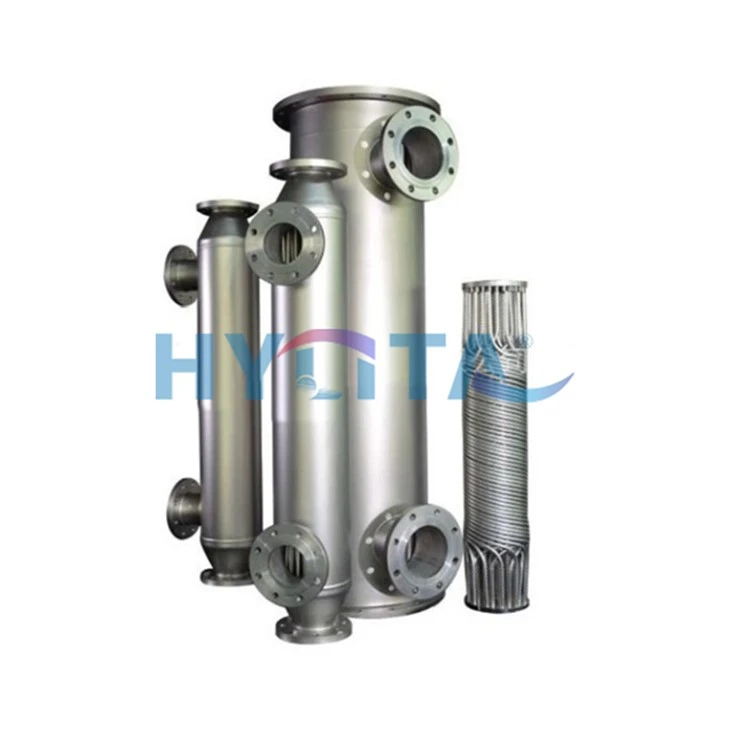
Types of Finned Tubes Used in Economizer Tube
Extruded economizer finned tubes are formed by extruding fins from the parent tube material. This manufacturing process ensures a strong bond between the fins and the base tube, resulting in excellent heat transfer efficiency and mechanical stability. Extruded finned tubes are well-suited for high-temperature applications where reliability and durability are paramount.
Welded economizer finned tubes feature fins that are welded onto the outer surface of the base tube. This construction method offers flexibility in selecting different materials for the fins, making them suitable for corrosive environments or applications requiring specific material properties. Welded finned tubes provide robust performance and can withstand high-pressure conditions.
Economizer L-finned tubes have fins arranged in a helical pattern along the length of the base tube, forming an ‘L’ shape. This design maximises surface area for heat transfer, enhancing efficiency while maintaining structural integrity. L-finned tubes are commonly used for their excellent heat transfer performance and resistance to fouling.
Economizer G-finned tubes feature fins shaped into a ‘G’ configuration, providing increased turbulence and heat transfer efficiency. The unique design of G-finned tubes promotes optimal heat exchange, making them suitable for applications where maximum thermal performance is desired.
Economizer H-finned tubes have fins arranged in a double-row pattern resembling the letter ‘H’. This configuration offers enhanced heat transfer surface area and improved efficiency in heat exchange. H-finned tubes are often utilised in economizer tubes for their superior performance in optimising energy utilisation and reducing fuel consumption.
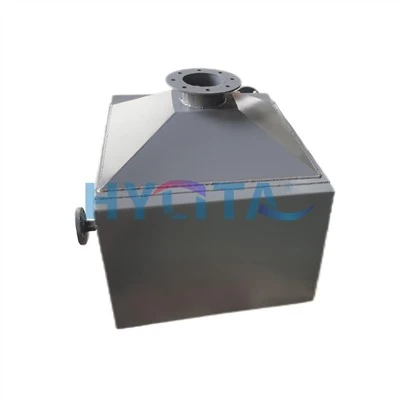
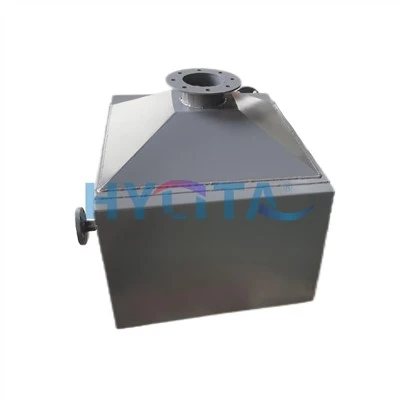
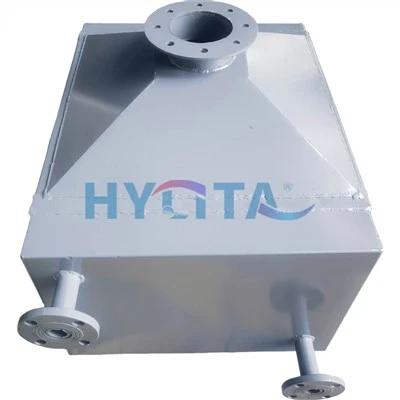
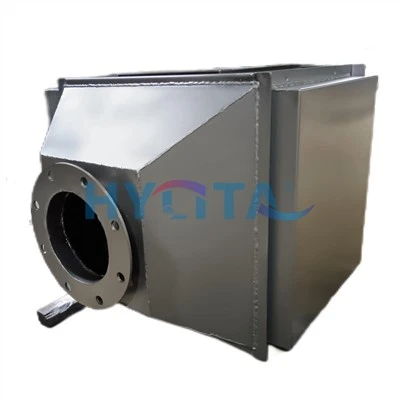
We're professional economizer recovery manufacturers and suppliers in China, providing high quality customized products with low price. We warmly welcome you to wholesale economizer recovery for sale here from our factory.
Economizer Tube, Exhaust Gas Heat Exchanger, Waste Heat Recovery