


Finned Tube vs. Plate Heat Exchangers: Which Solution Fits Your Project?
At Shenzhen Hylita, we engineer precision thermal management solutions tailored to specific industrial requirements. Choosing between a Surface Air Cooler (Finned Tube Heat Exchanger) and a Plate Heat Exchanger (PHE) depends largely on your medium and heat transfer goals.
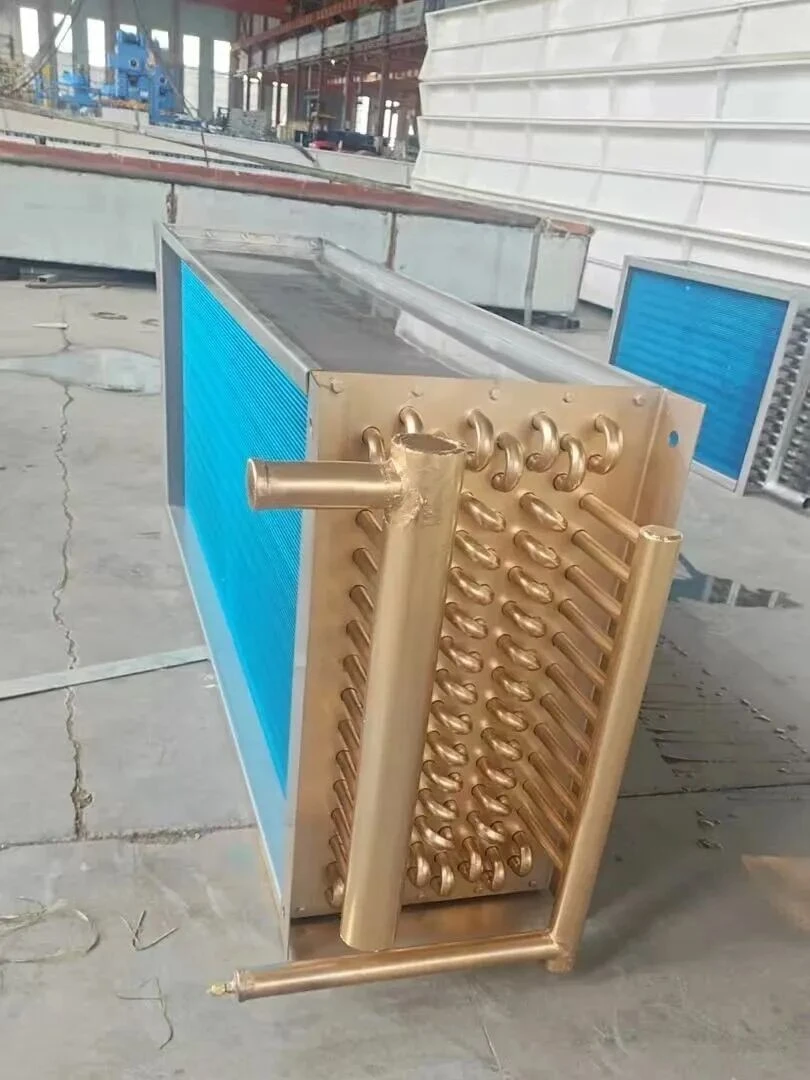
Choose Surface Air Coolers when your primary goal is treating air (cooling, heating, or dehumidifying) using a fluid medium.
Choose Plate Heat Exchangers for high-efficiency liquid-to-liquid heat transfer in compact spaces.
Below is a detailed technical comparison to help you specify the right component for your system.
1. Construction & Material Specifications
- Surface Air Coolers (Finned Tube Design)
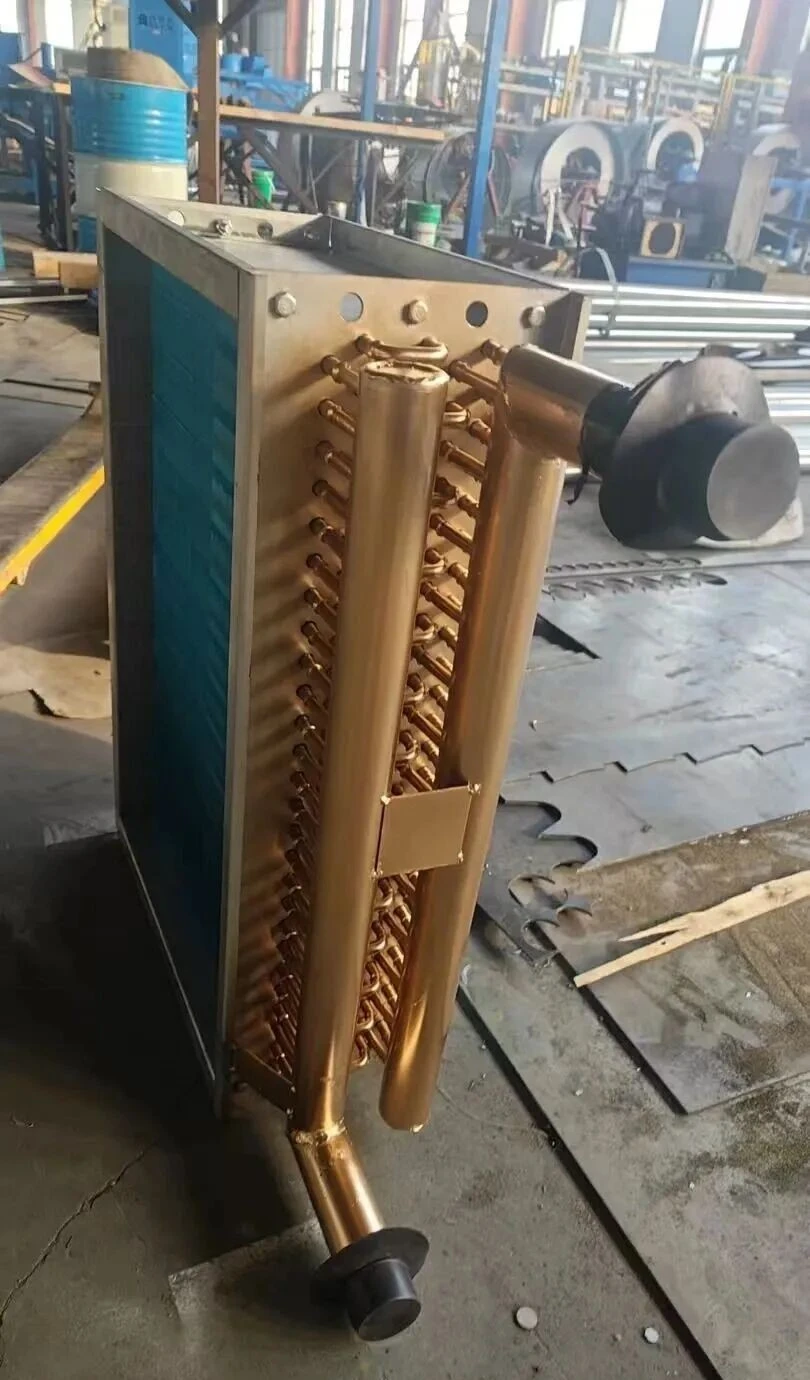
Designed for robust air-side performance, our units combine high-conductivity copper with advanced aluminum technology:
Tubing: High-quality seamless copper tubes ($\phi$7-16mm) ensure durability under pressure.
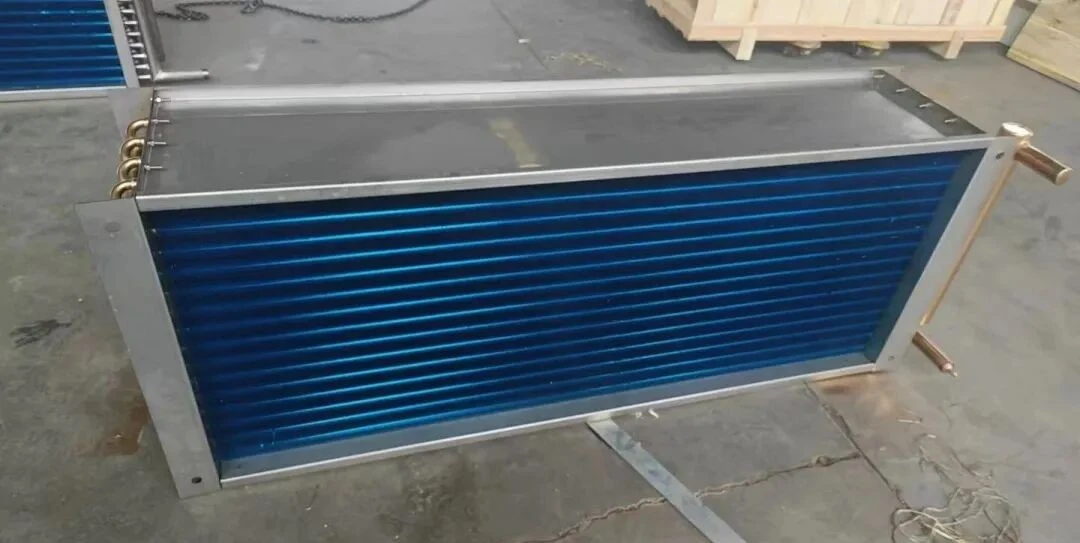
Fins: Features 0.101-0.2mm hydrophilic aluminum foil. The optimized fin spacing (2.2-2.5mm) balances airflow resistance with maximum surface area.
- Plate Heat Exchangers (PHE)
Engineered for demanding chemical and industrial environments:
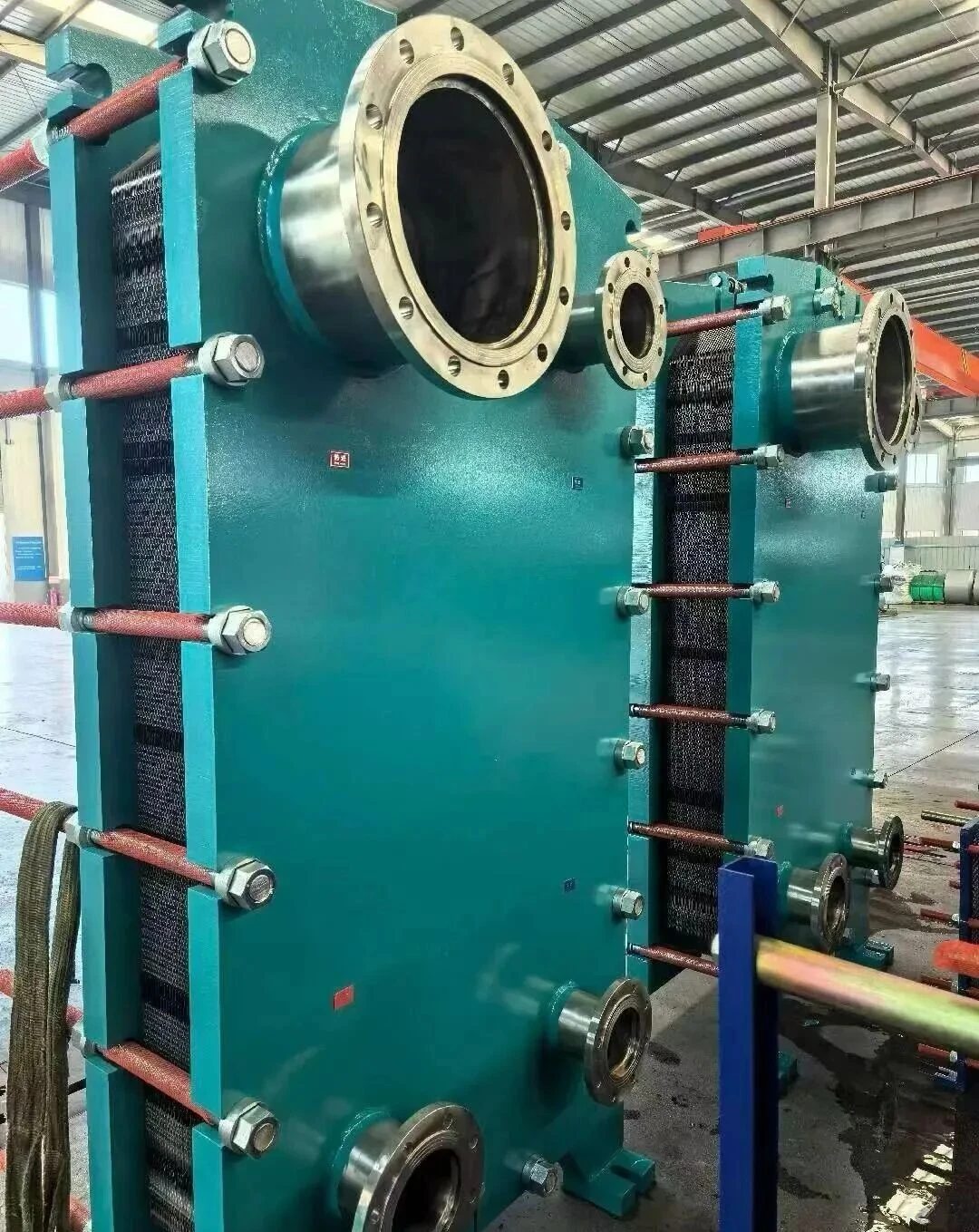
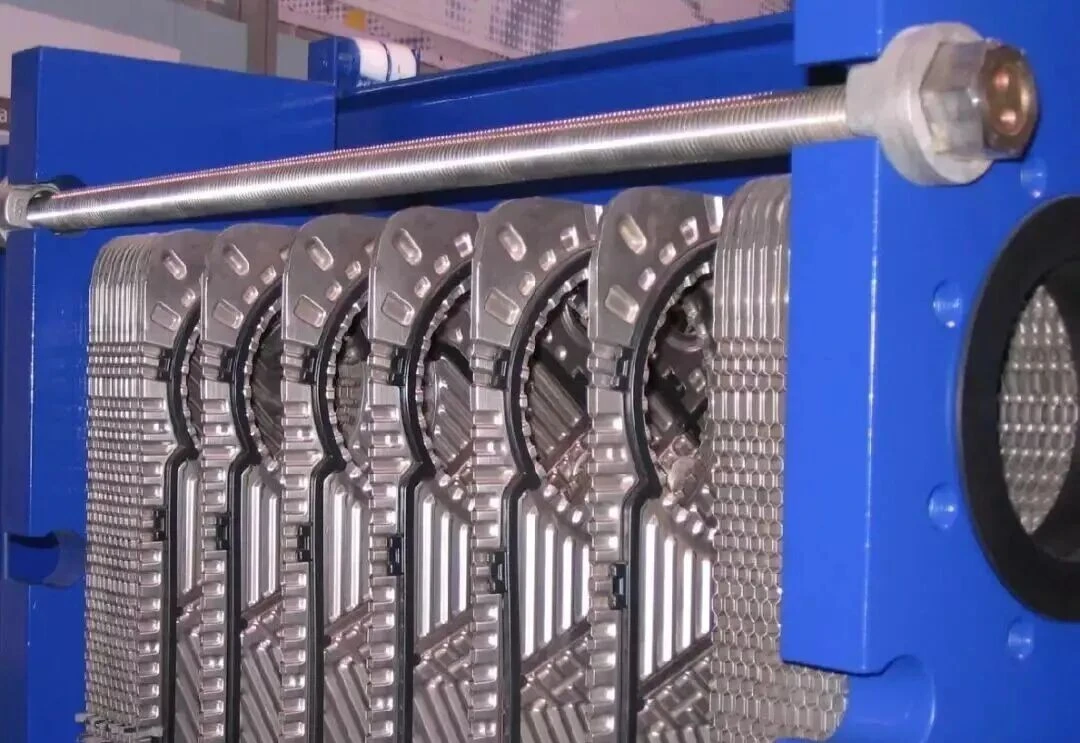
Plate Material: We utilize All-Titanium plates, offering superior resistance compared to standard stainless steel.
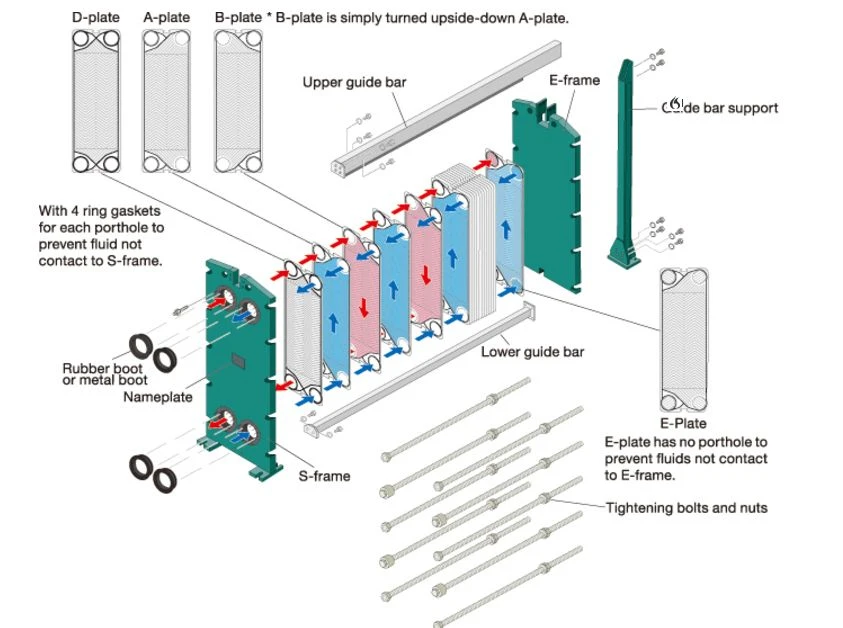
Sealing: Precision-engineered gaskets between corrugated metal plates ensure leak-proof operation and easy disassembly for maintenance.
2. Working Principle & Performance Benchmarks
- Surface Air Coolers: Air-to-Fluid Efficiency
Mechanism: Air flows externally across the finned surface while hot/cold medium circulates inside the tubes.
Hylita Advantage: By optimizing fin geometry, we have achieved an 18%-30% increase in heat exchange efficiency over traditional models.
Durability: Proven to withstand 1,000 hours of salt spray testing, ensuring longevity even in corrosive or humid environments.
- Plate Heat Exchangers: Fluid-to-Fluid Precisio
Mechanism: Hot and cold fluids enter through distinct ports, flowing through narrow, alternating channels created by stacked corrugated plates.
Hylita Advantage: The corrugated plate design induces high turbulence even at low velocities. This results in an exceptionally high heat transfer coefficient, compact footprint, and the flexibility to expand capacity by simply adding more plates.
3. Typical Applications: Where to Use What?
- Select Shenzhen Hylita Surface Air Coolers for:
HVAC Systems: Essential components for Air Handling Units (AHU) and Fresh Air Units (FAU).
Clean Room Engineering: Maintaining precise temperature/humidity control in sensitive environments.
Industrial Air Cooling: Cooling machinery or process air in manufacturing plants.
- Select Shenzhen Hylita Plate Heat Exchangers for:
Process Industries: Heating, cooling, and sterilization (pasteurization) in Food & Beverage, Chemical, and Pharmaceutical sectors.
HVAC & Refrigeration: District heating substations, condenser isolation, and heat recovery systems.
Marine & Power: Cooling systems requiring corrosion-resistant materials (Titanium).

Need technical advice?
Contact our engineering team today to configure the perfect heat exchanger for your specifications.