1. Performance showdown: comparison of core capabilities of the two main materials
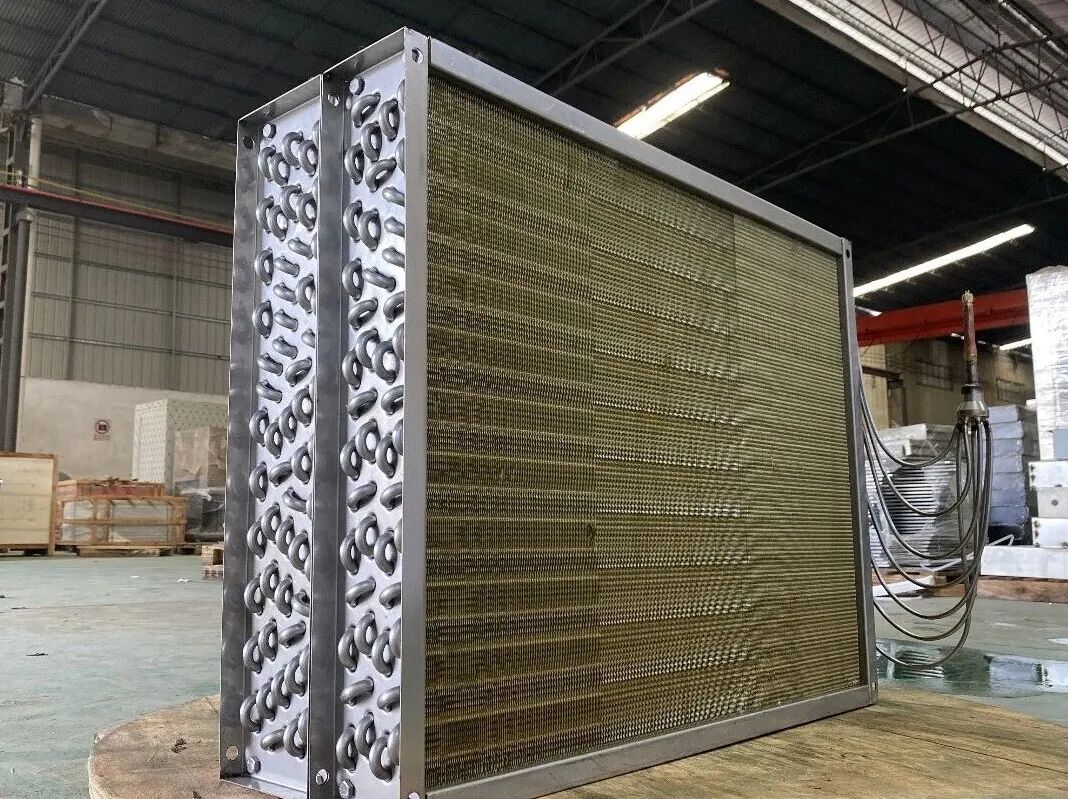
The greatest advantage of copper tube heat exchangers lies in their excellent thermal conductivity. In the field of industrial heat dissipation, copper tube coolers are renowned for their superior heat transfer properties.
Copper's thermal conductivity is about 400W/mK, approximately 25 times that of 304 stainless steel. This outstanding heat transfer ability allows copper tubes to quickly conduct heat away, achieving efficient cooling.
In scenarios requiring extremely high heat dissipation, such as cooling precision equipment, copper coolers perform exceptionally well. For example, cooling pipes made of red copper can significantly improve heat exchange efficiency, enabling rapid cooling of the equipment.
In contrast, stainless steel pipes have lower thermal conductivity and slightly less efficient heat transfer, but they possess excellent corrosion resistance. Whether facing erosion from various acids and alkalis in industrial production or operating in humid environments, stainless steel can effectively resist corrosion.
2. Manufacturing process: processing characteristics of the two materials
From a manufacturing perspective, stainless steel heat exchangers are very difficult to process, with high requirements for internal structure and welding techniques. Any slight mistake during production can affect the overall quality, making the manufacturing process risky.
Compared to stainless steel, copper's ductility and weldability far surpass those of stainless steel, and its resistance to thermal shock is also higher, making the entire machine safer and more reliable. Copper tubes are easy to process into various shapes, suitable for complex piping layouts.
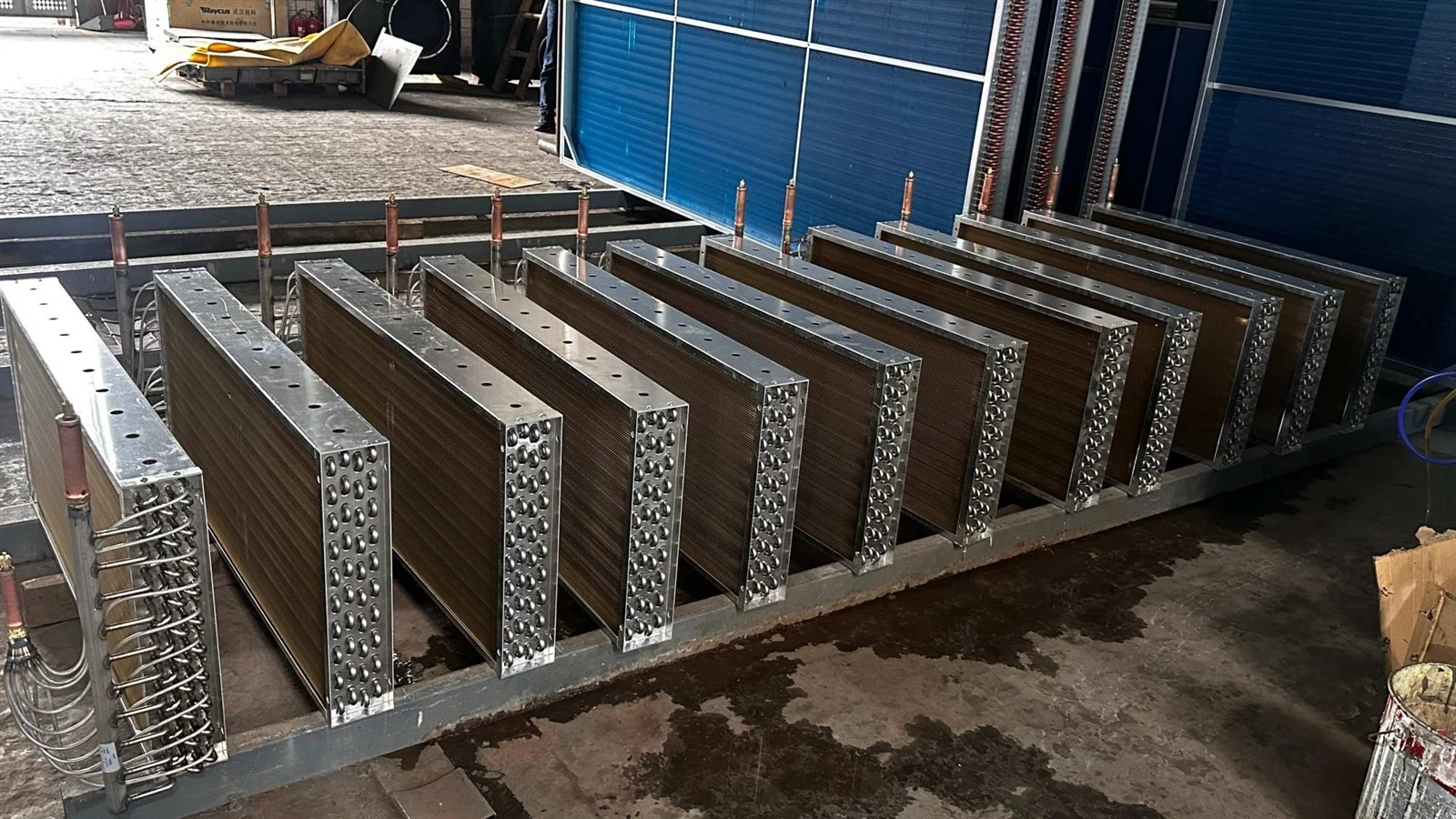
Copper tubes and stainless steel tubes each have their strengths in processing characteristics. Copper's ease of processing gives it an advantage in applications requiring complex pipe designs.
3. Application scenarios: material choice based on different needs
For applications that pursue high thermal efficiency and rapid heating, copper heat exchangers are the better choice, especially phosphorus deoxidized copper, which has superior thermal efficiency and oxidation resistance compared to stainless steel.
In industries such as chemical and food processing, where hygiene and corrosion resistance are extremely strict requirements, stainless steel coolers are widely used. Stainless steel pipes are suitable for industries requiring high hygiene standards, such as food and pharmaceuticals.
4. Economic considerations: long-term investment and maintenance costs
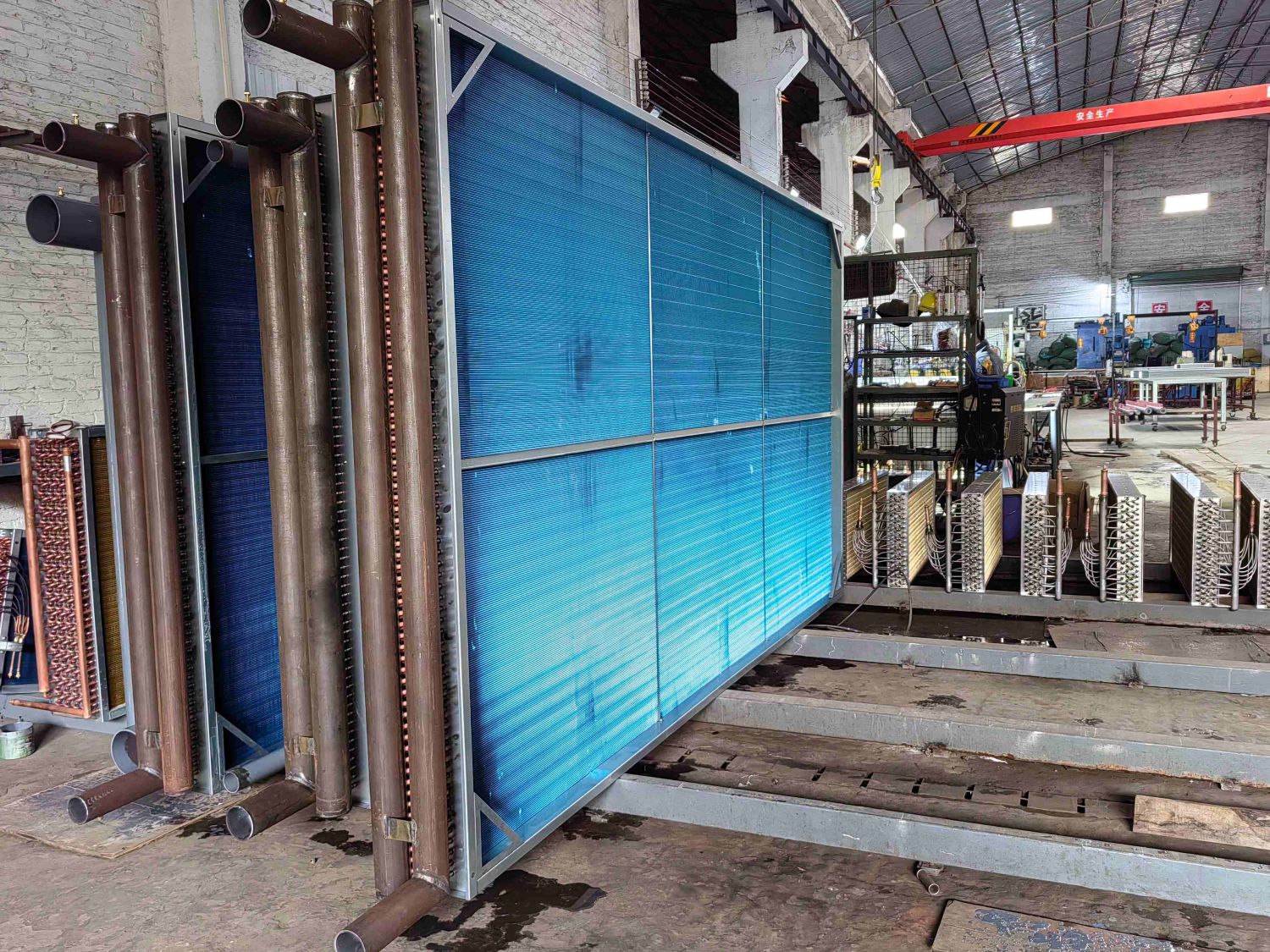
Copper resources are relatively scarce, leading to high prices, which makes copper tube coolers generally more expensive. In terms of mechanical strength, copper has relatively lower mechanical strength, and when used in high-pressure environments, the wall thickness must be increased to meet pressure resistance requirements.
Stainless steel has higher mechanical strength and good pressure resistance, making it very suitable for high-pressure environments. However, from a lifecycle perspective, copper offers higher overall cost-effectiveness, longer service life, greater durability, and lower failure rates.
In floating coil heat exchangers, the thin-walled copper coils can quickly transmit the force of expansion and contraction as the temperature changes, effectively removing scale. When high-temperature media are fed into the coils, the expansion of the pipe walls occurs, and the scale attached to the outer wall of the pipe also expands.