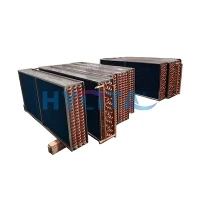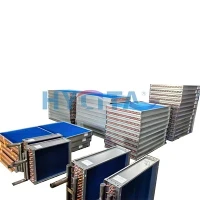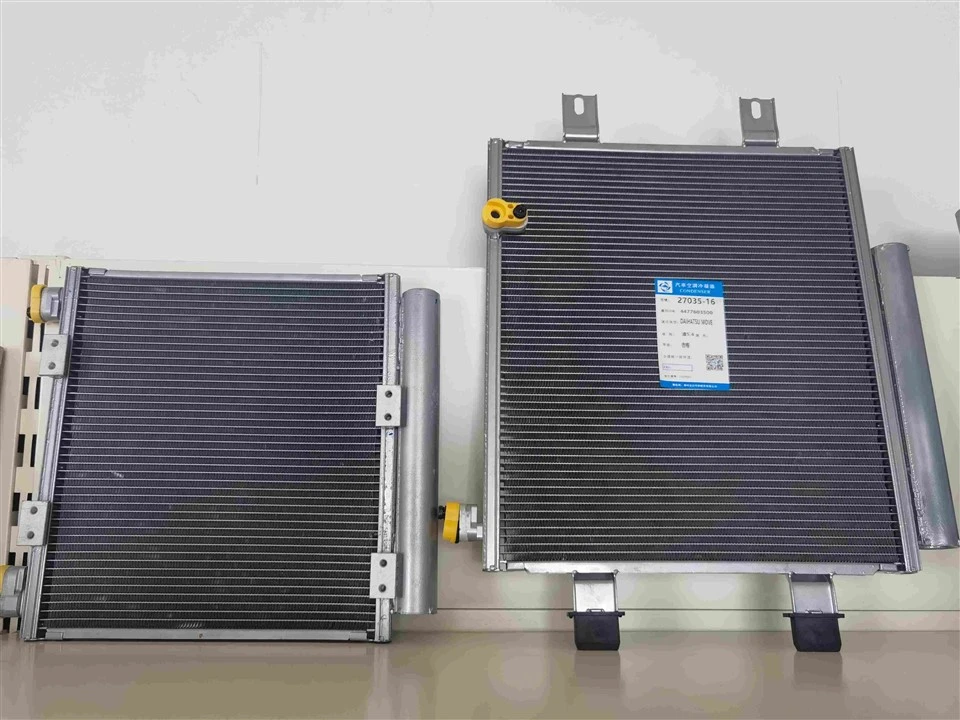
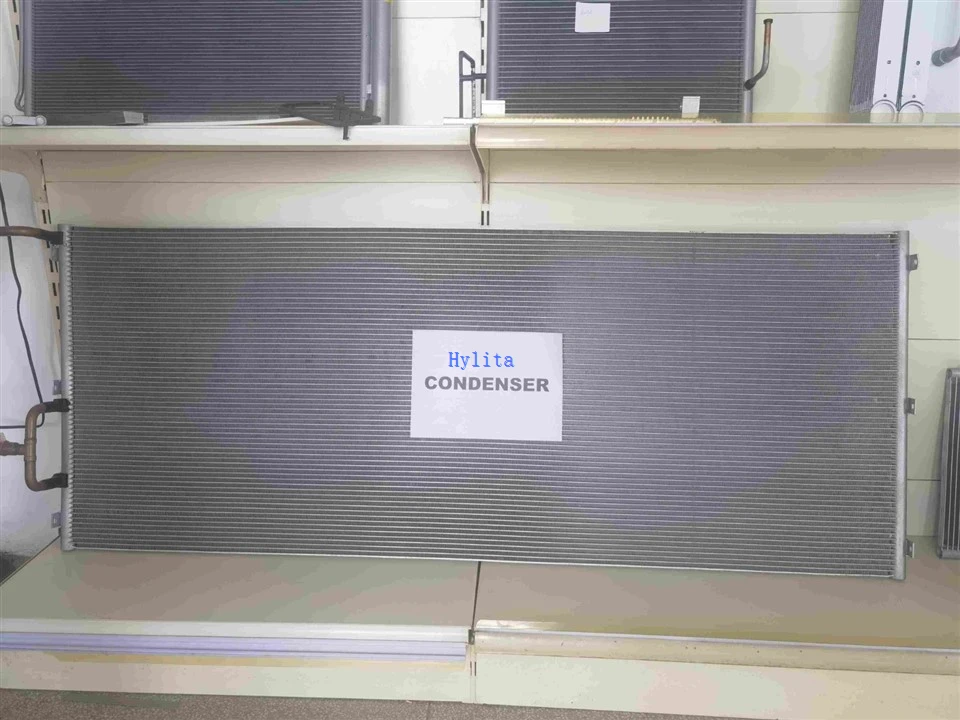
Microchannel Heat Exchangers (MCHEs): Transform CRAC Condensers for Data Center Efficiency
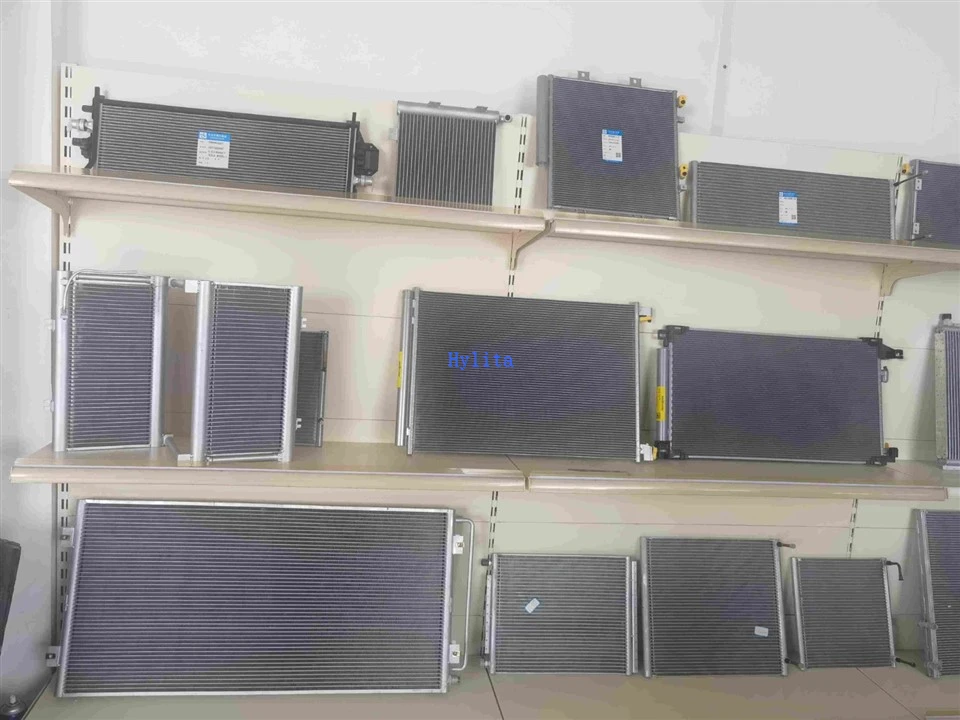
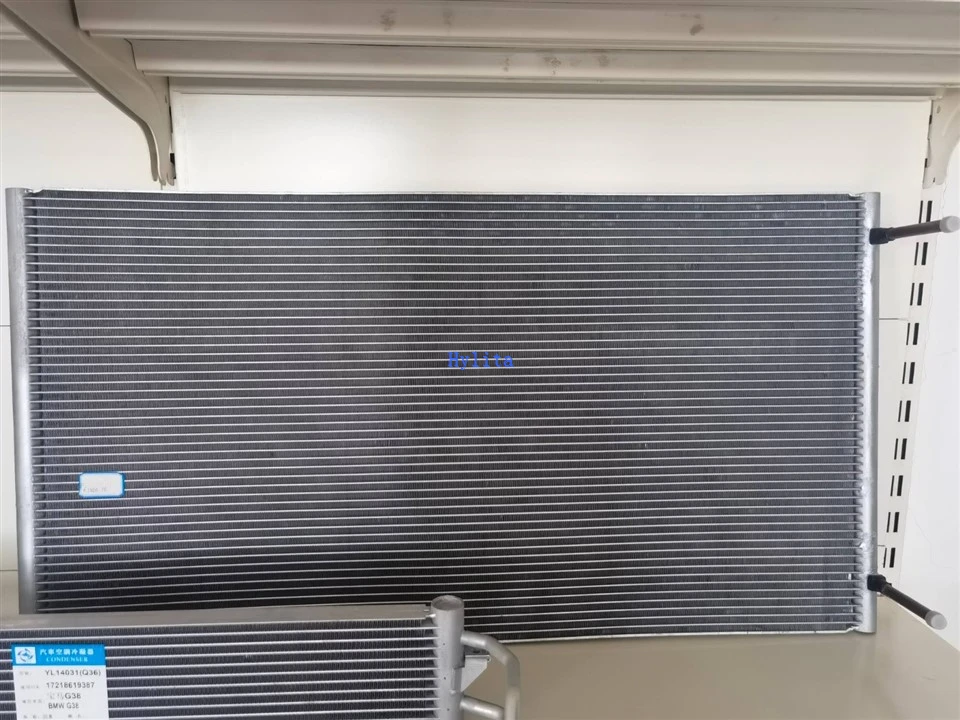
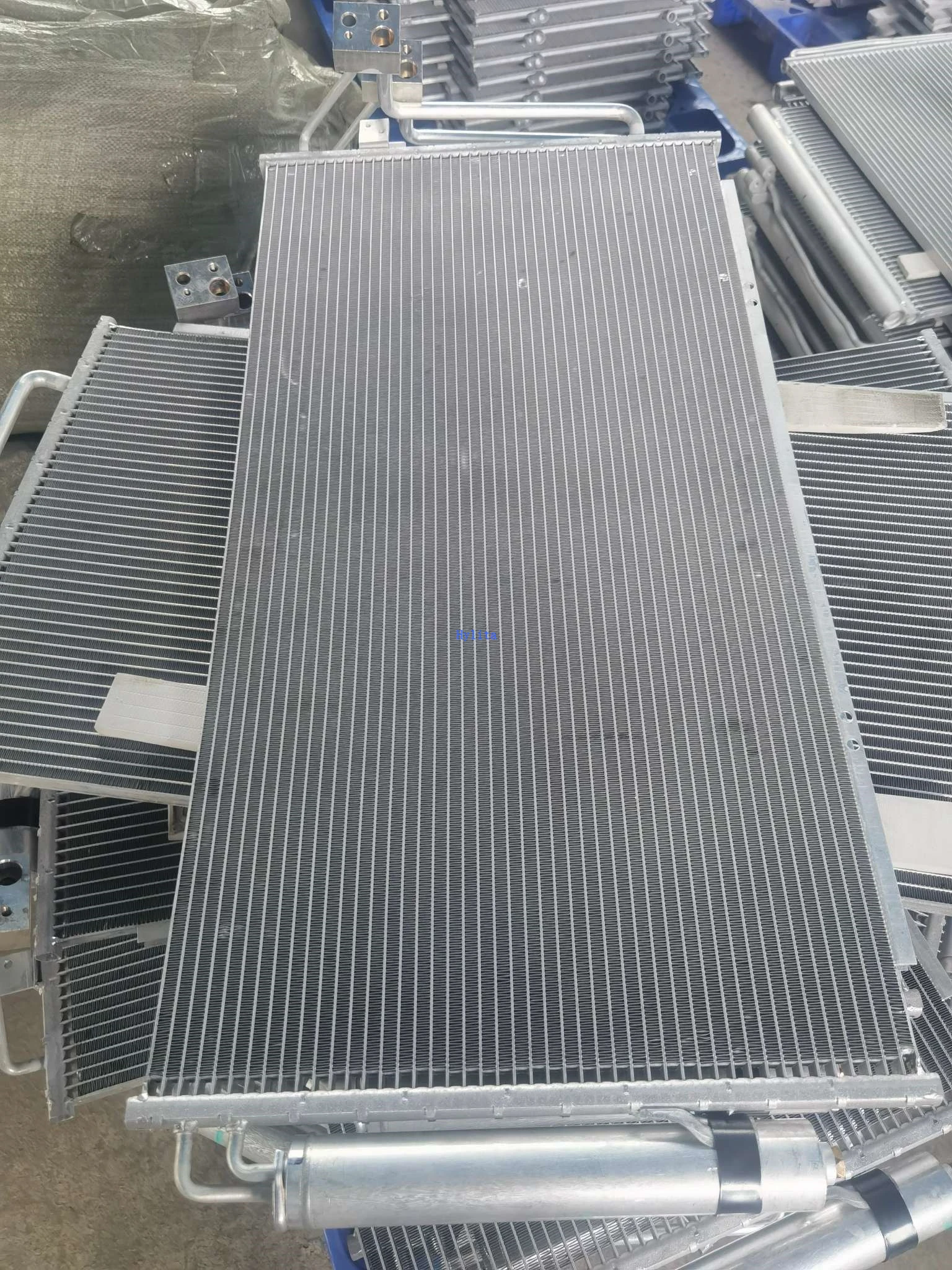
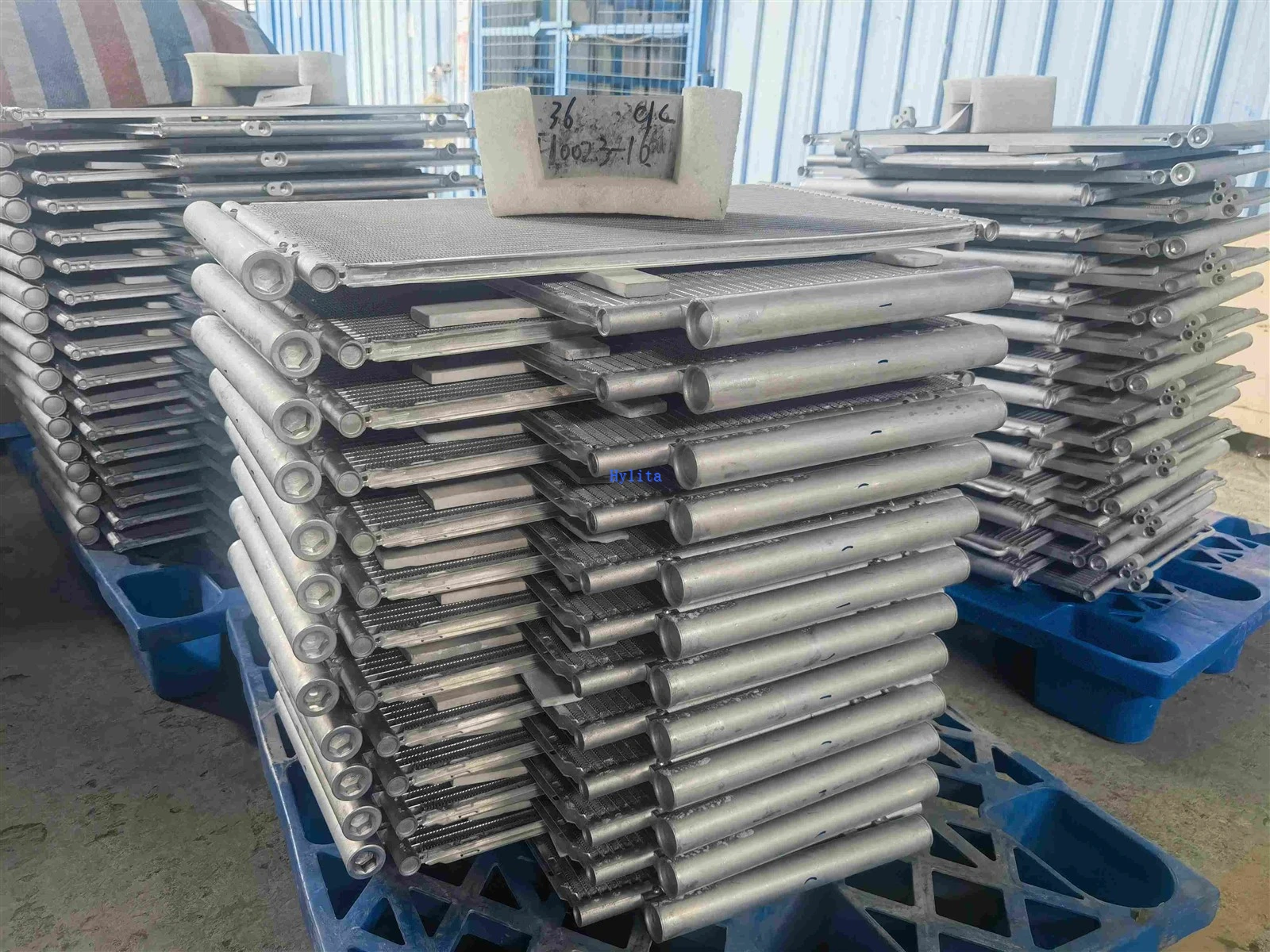
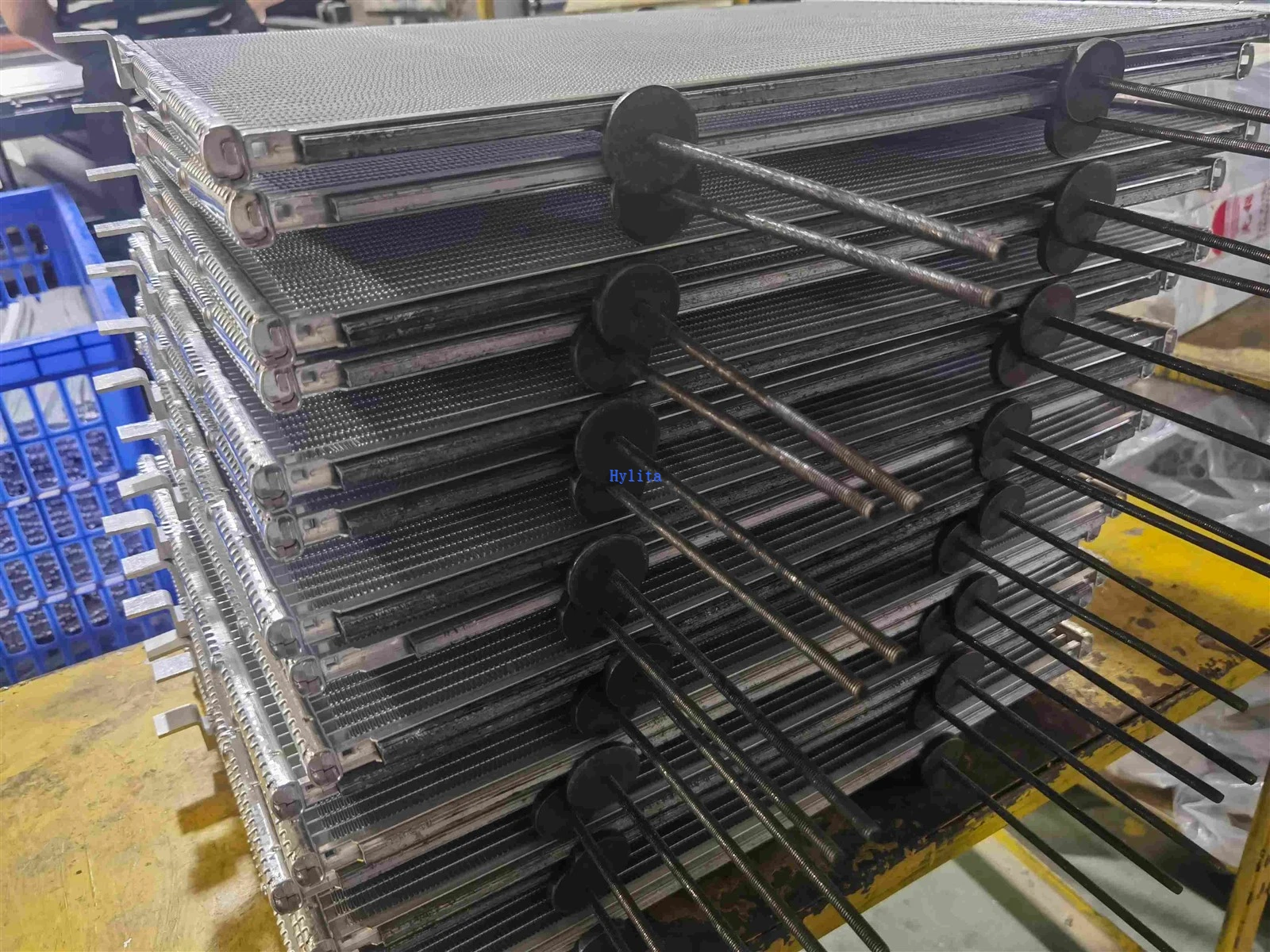
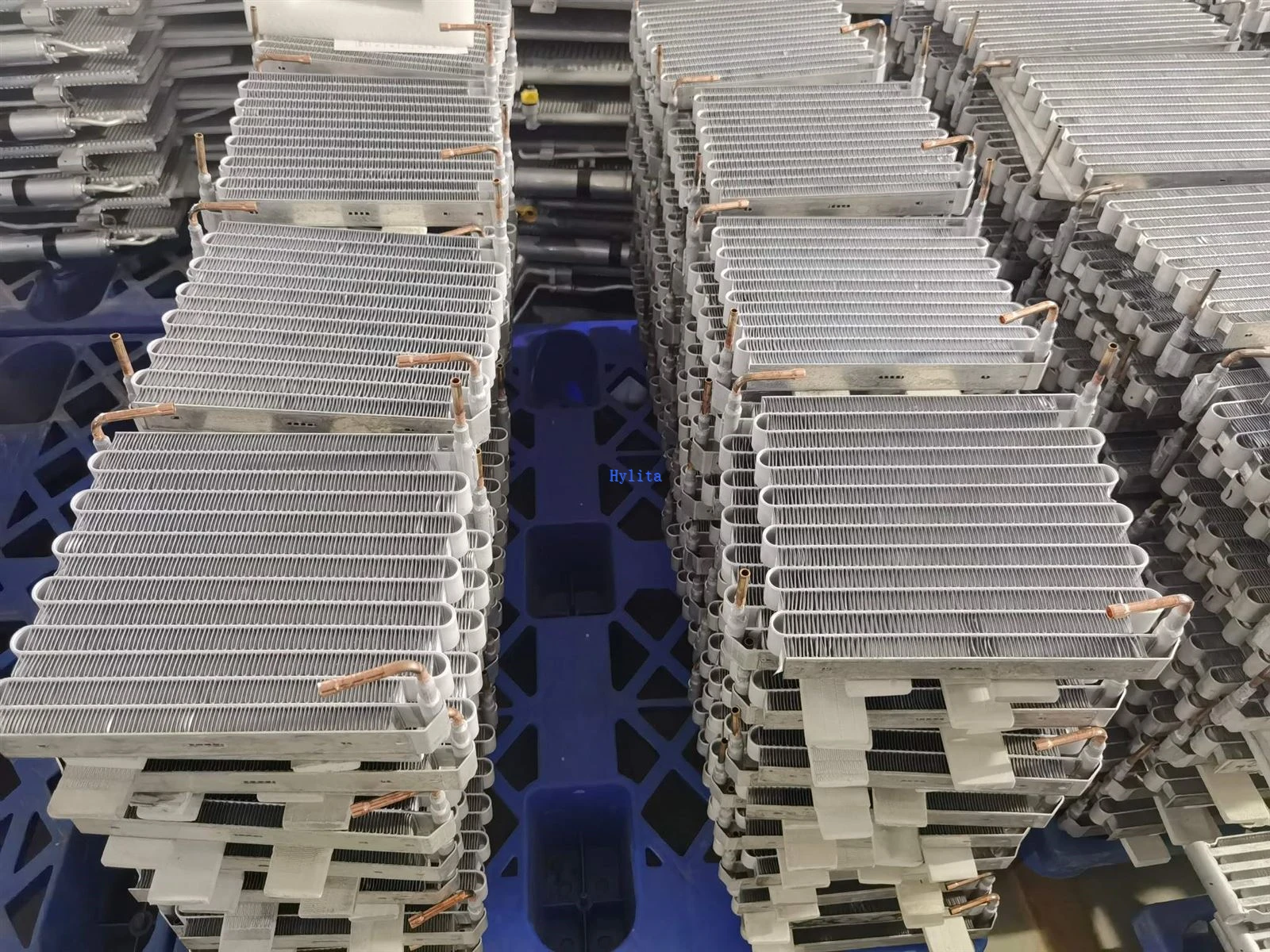
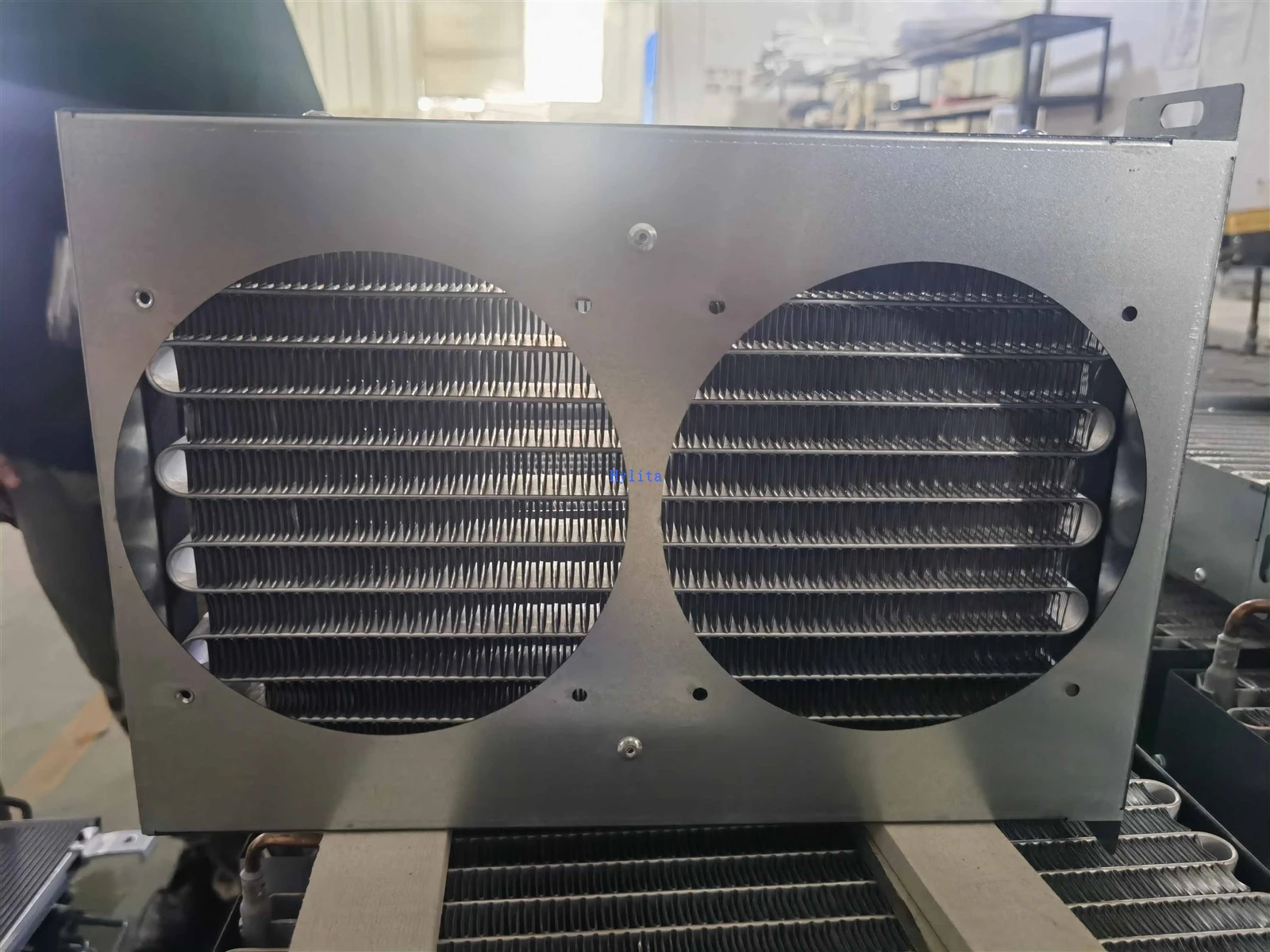
For data centers, Computer Room Air Conditioner (CRAC) condensers are make-or-break for maintaining server performance and lowering PUE (Power Usage Effectiveness). Traditional tube-fin heat exchangers often fall short-they're bulky, inefficient, and high-maintenance. Enter Microchannel Heat Exchangers (MCHEs): engineered with microscale flow channels (0.1–2 mm), an integrated all-aluminum structure, and vacuum brazing, MCHEs solve these pain points while delivering tangible value for data center operations. Below's how they stand out, plus the custom tweaks that maximize their impact.
Core Application Advantages: Solve Data Center's Biggest Pain Points
MCHEs don't just "improve" on traditional condensers-they redefine what's possible for data centers focused on efficiency, space, cost, and reliability.
1. 30–50% Higher Heat Transfer Efficiency = Lower PUE
Data centers fight to keep PUE under 1.3-and MCHEs are a secret weapon. Their microscale channels create a massive specific surface area (200–350 m²/m³, 2–3x that of tube-fin models), forcing refrigerants (like R134a or R410A) into strong turbulent flow (Reynolds number Re > 2300). This slashes thermal resistance, pushing the heat transfer coefficient to 400–600 W/(m²·K) (vs. 200–300 W/(m²·K) for tube-fin).
What this means for you: For a 100 kW cooling load, MCHEs cut condensing temperature by 3–5°C. Every 1°C drop reduces compressor power use by 2–3%, translating to 25–35% lower CRAC energy consumption. For a 1000 m² medium data center, that's 30,000–42,000 kWh in annual electricity savings-and PUE dropped from 1.4 to below 1.25.
Perfect for: High-density data centers (power density > 300 W/m²) or retrofitting old CRAC units (no need to expand space to boost cooling).
2. 30–50% Smaller, 40–60% Lighter: Save Valuable Data Center Space
Data center floor space is costly-and traditional tube-fin condensers waste it. MCHEs' all-aluminum flat-tube + integrated fin design eliminates the bulky copper bends and fin gaps that bloat tube-fin models.
For a 100 kW air-cooled setup:
Volume: MCHEs take up ~0.8 m³ (vs. 1.2–1.3 m³ for tube-fin), fitting easily in rack sides or corners.
Weight: At ~80 kg (vs. 150 kg for tube-fin), MCHEs are ideal for rooftop CRAC units-they reduce building load and cut installation costs (no heavy lifting gear needed).
3. 50–70% Less Refrigerant: Cut Costs & Meet Environmental Rules
Refrigerants like R410A are expensive and regulated (thanks to the EU's F-Gas Regulation and China's Green and Low-Carbon Rating Evaluation for Data Centers). MCHEs' tiny channel volume (1/3–1/2 that of tube-fin) slashes refrigerant needs:
A 100 kW system using R410A needs just 2.5–3.5 kg of refrigerant (vs. 8–10 kg for tube-fin)-saving ~300–390 CNY per unit upfront.
Fewer leak points (40% less than tube-fin, thanks to integrated headers) mean lower environmental risk and no costly refrigerant top-ups.
4. Corrosion Resistance & 10,000-Hour MTBF: Keep CRACs Running 24/7
Data centers run nonstop-and downtime is catastrophic. Traditional tube-fin condensers fail early due to copper-aluminum galvanic corrosion, but MCHEs are built to last:
Seamless structure: Vacuum brazing eliminates "copper-aluminum gaps" (a major corrosion trigger).
Custom coatings: Epoxy or polytetrafluoroethylene coatings (20–50 μm thick) boost salt spray resistance from 500 hours to over 1500 hours.
The result? MTBF (Mean Time Between Failures) hits 10,000 hours-nearly double that of tube-fin (5,000–6,000 hours). Less maintenance = less downtime for your data center.
Custom Technical Adaptations: Make MCHEs Work for Your CRAC
MCHEs aren't a "drop-in" replacement-they need tweaks to match CRACs' unique needs. Here's how we optimize them for data centers:
1. Smart Design for Load Fluctuations & Low Noise
Multi-pass channels: Server loads spike during the day and drop at night. MCHEs use 2–4 section flow channels, paired with electronic expansion valves, to adjust refrigerant flow: full capacity for peaks, partial capacity for lulls. This avoids the "low-load inefficiency" that plagues traditional single-pass condensers.
Quiet fins: Data centers need noise ≤ 60 dB (A). MCHEs use narrow-pitch louvered fins (1.8–2.2 mm spacing) and low-airflow fans (1.5–2.0 m/s)-cutting noise by 3–5 dB (A) vs. tube-fin, so (operation and maintenance) teams work undisturbed.
2. (Corrosion & Clogging Protection): Built for Data Center Environments
Dust, UPS battery fumes, and water scaling are data center hazards-MCHEs tackle them head-on:
Dual-layer anti-corrosion coating: Chromate passivation (5–10 μm) boosts adhesion, while an epoxy top layer (20–30 μm) blocks corrosive media. Tests show it resists rust for over 8 years in data centers.
Water-side clogging fixes (for water-cooled CRACs): MCHE channels (1–2 mm) are prone to scaling-so we add:
100-mesh stainless steel inlet filters to trap impurities.
Tapered channels (1 mm inlet → 1.5 mm outlet) to reduce flow-rate spikes that cause scale.
Food-grade scale inhibitors (e.g., polycarboxylic acid) to extend cleaning intervals to 12 months (vs. 6 months for tube-fin).
3. Seamless CRAC Integration: No Waste, No Leaks
MCHEs work best when paired with CRAC systems-we optimize every connection:
Fan matching: MCHE fins have 15–20% lower air resistance than tube-fin. We use low-static-pressure fans (50–80 Pa) and cap speed at ≤1400 rpm to save energy without sacrificing cooling.
Leak-proof interfaces: Integrated headers cut interface count from 8–12 (tube-fin) to 2–4. Double-ferrule seals keep leakage ≤1×10⁻⁹ Pa·m³/s (per helium leak tests)-critical for refrigerant safety.
Why MCHEs Are the Future of CRAC Condensers
For data centers, MCHEs aren't just a better heat exchanger-they're a way to hit sustainability goals, cut costs, and keep servers running reliably. Whether you're building a high-density facility or upgrading old CRACs, MCHEs deliver the efficiency, space savings, and durability you need to stay competitive.
Ready to transform your CRAC condensers? Explore how MCHEs can lower your PUE and boost your data center's performance today.
Hot Tags: microchannel washing machine drying condenser, China microchannel washing machine drying condenser manufacturers, suppliers, factory