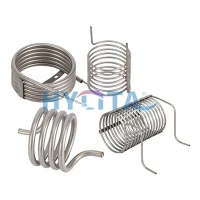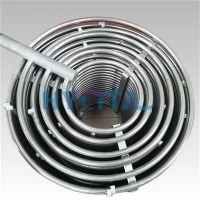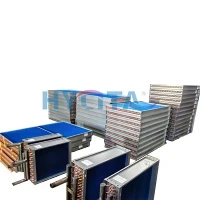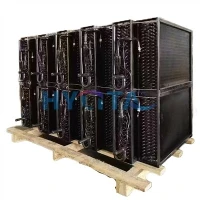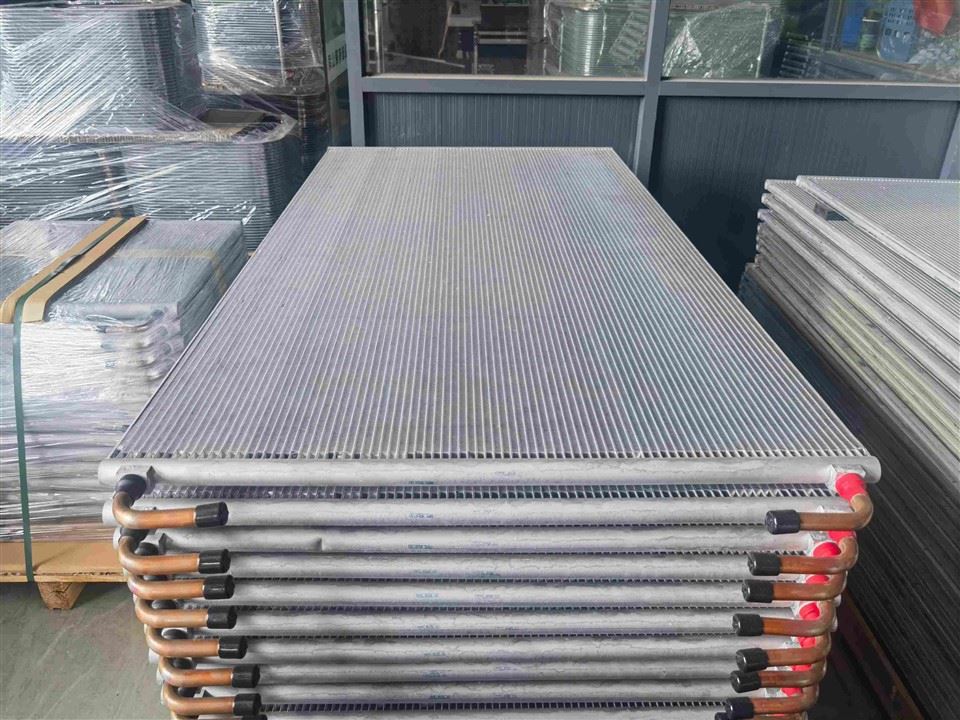
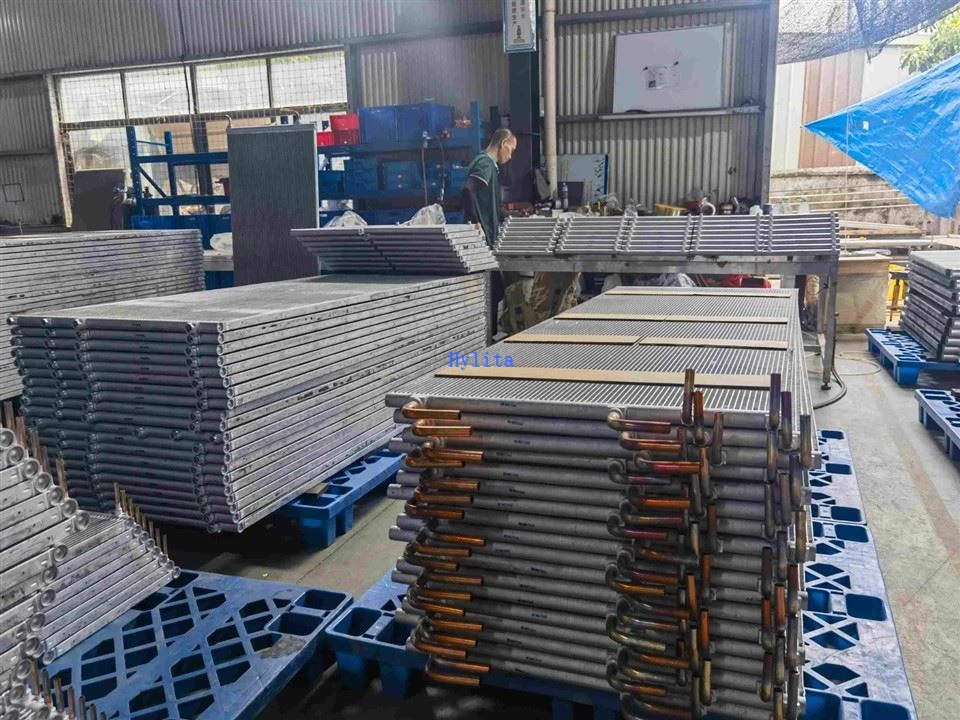
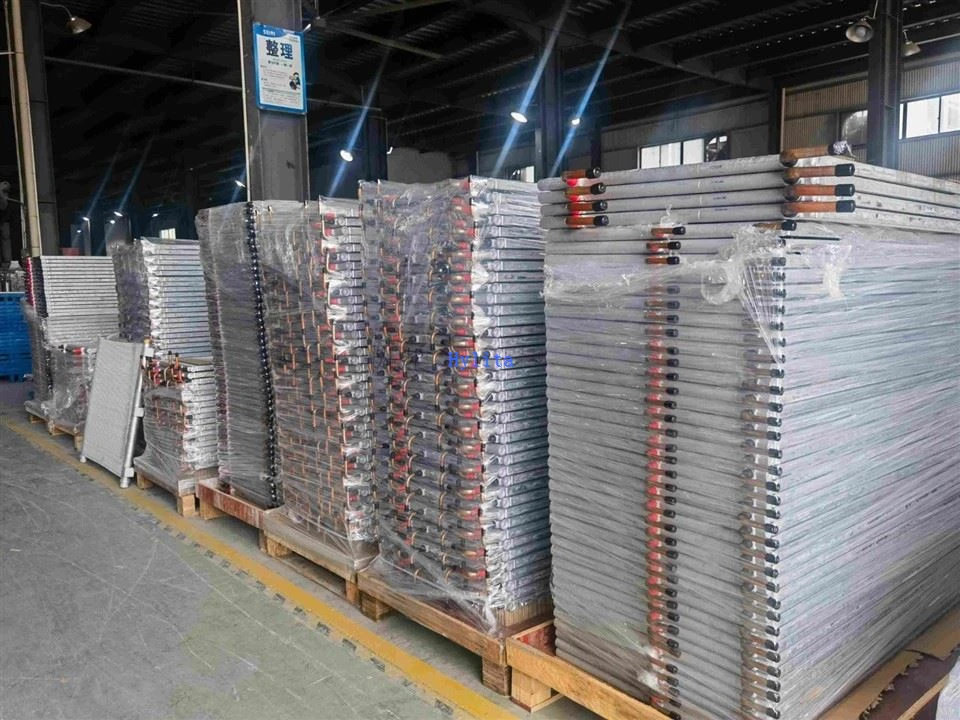
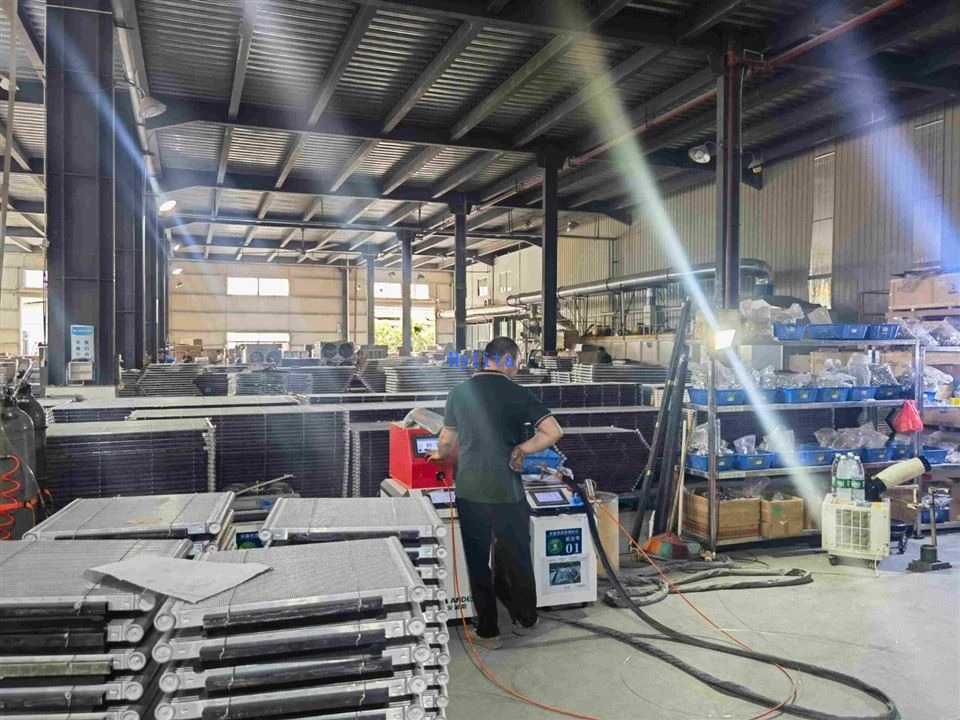
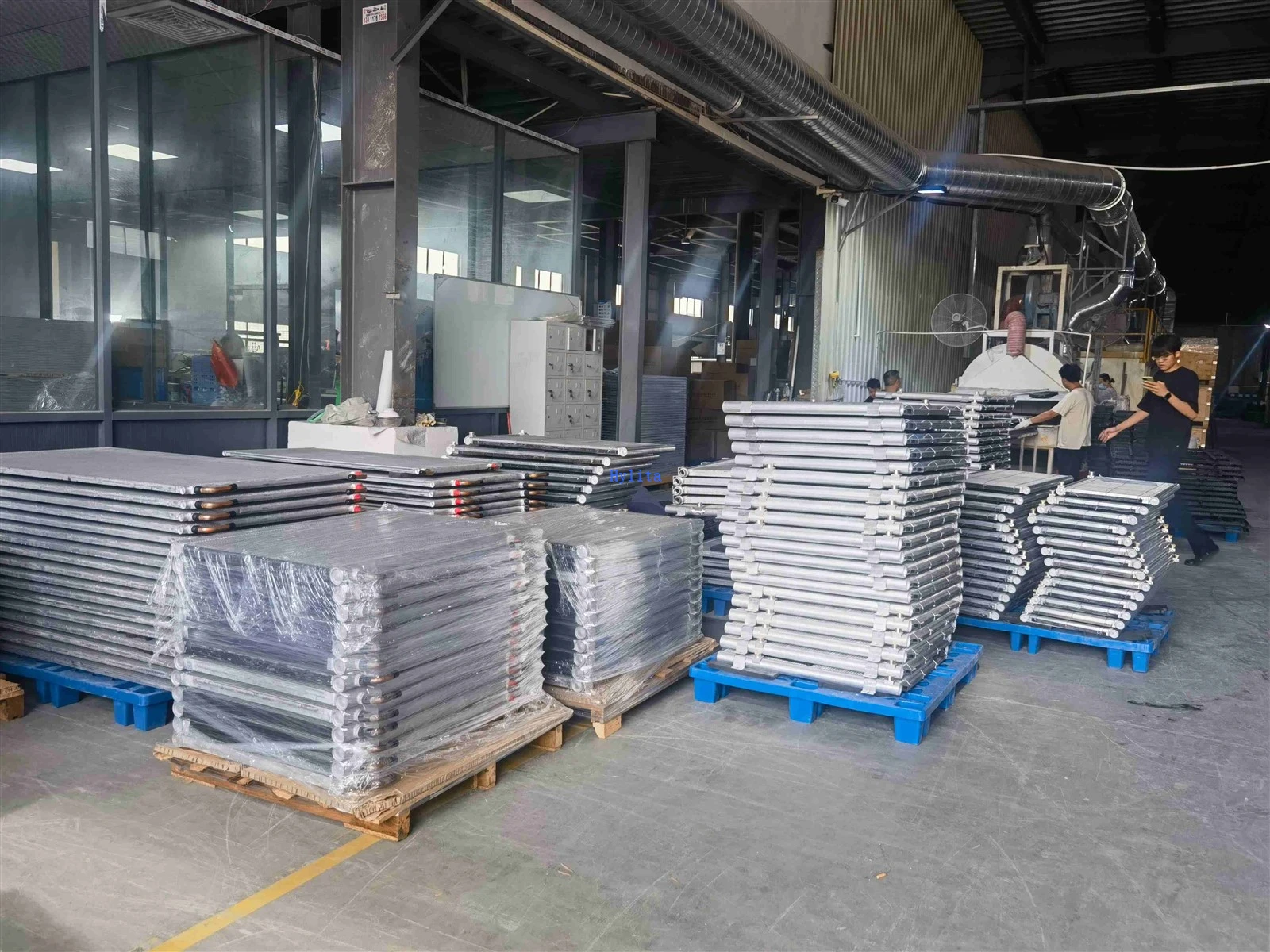
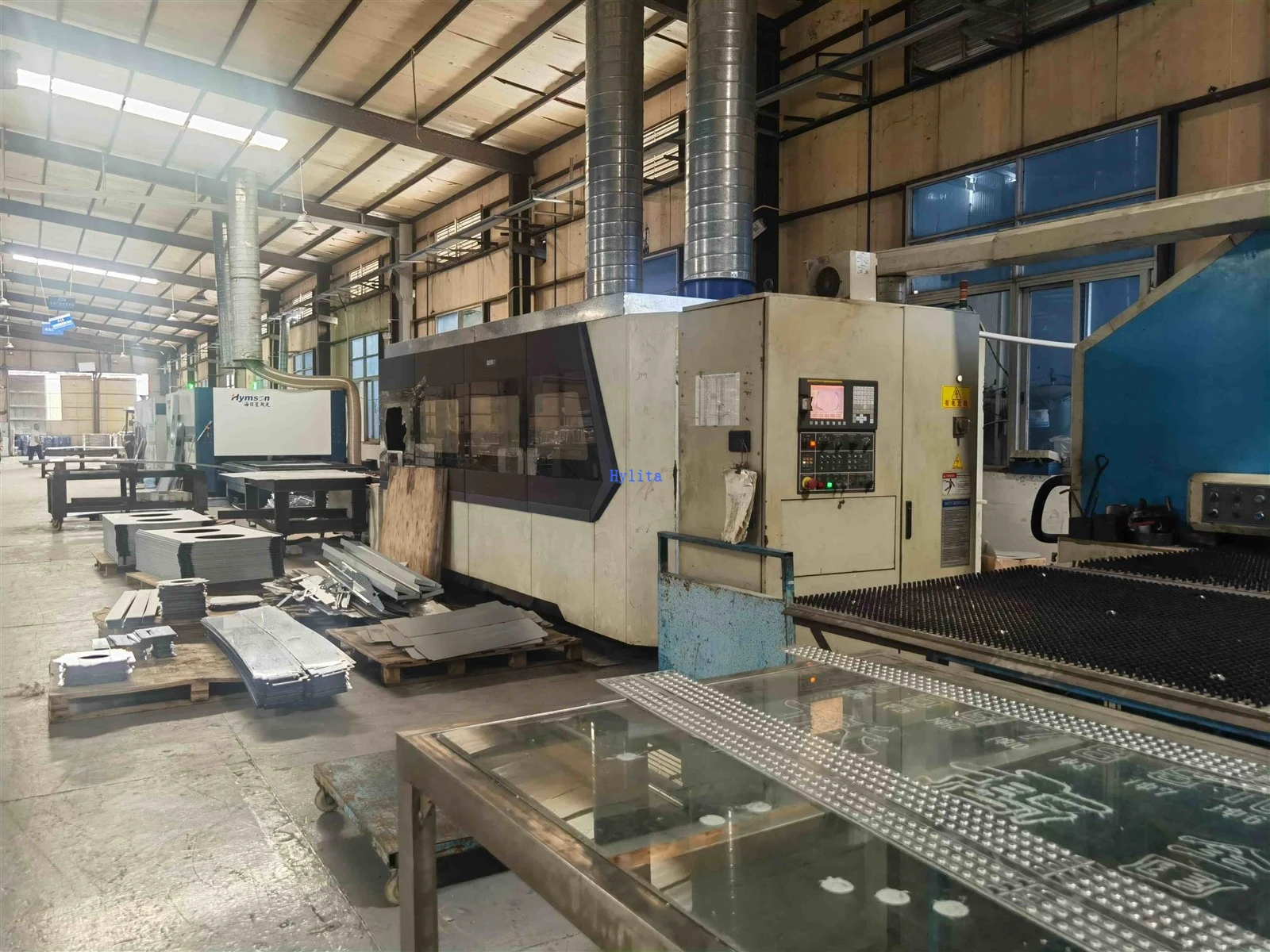

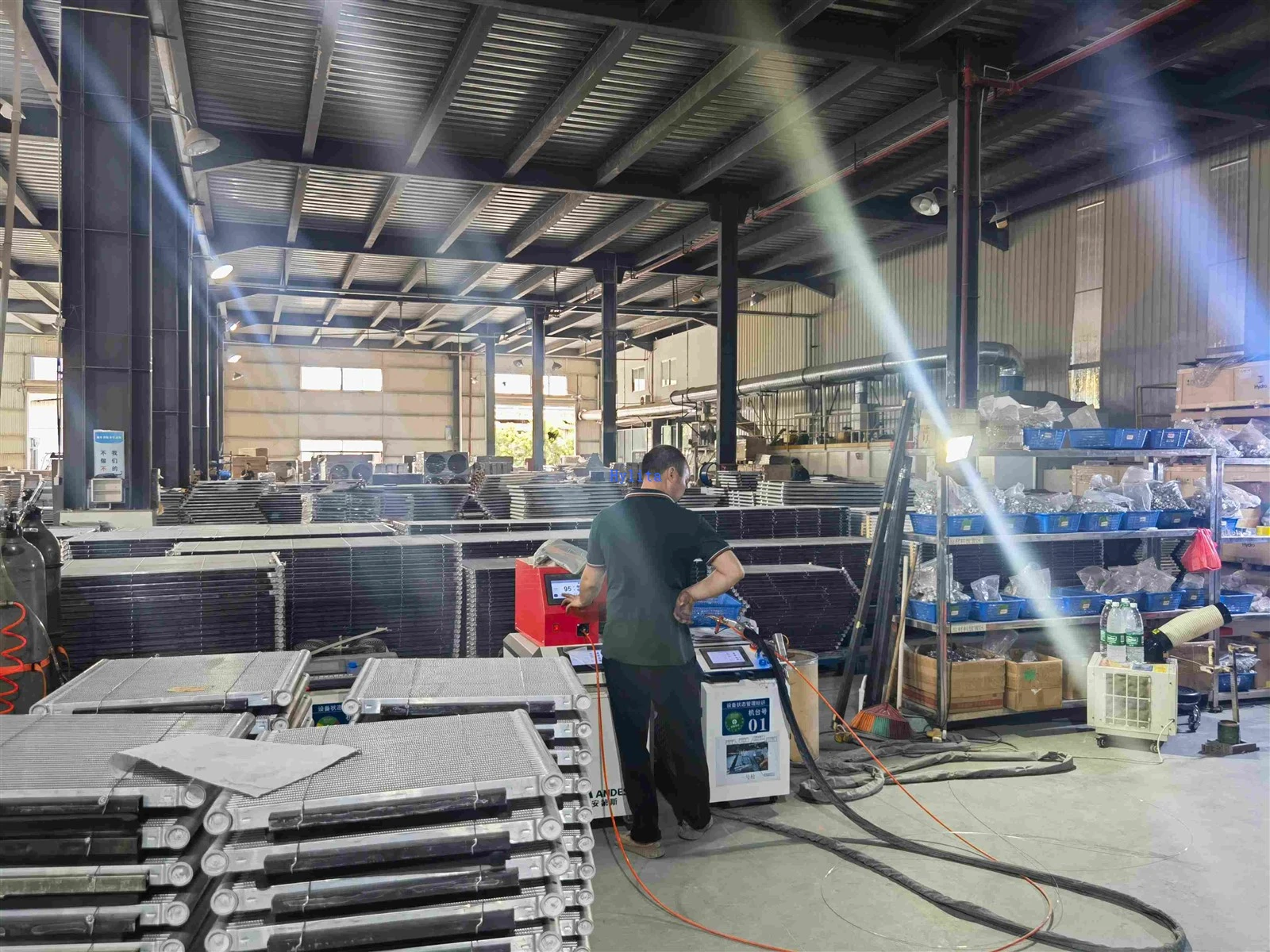

Microchannel Condenser Product Series
Traditional Copper Tube with Finned Plate Heat Exchanger Replacement Series
Designed specifically to replace traditional finned plate heat exchangers, this series utilizes all-aluminum welding technology, seamlessly integrating fins with flat tubes. The heat transfer efficiency is increased by over 42%, suitable for common refrigerants such as R134a and R404A, widely used in commercial refrigerators, display cabinets, etc.
Freezing and Refrigeration Low-High Series
Optimized for space-constrained scenarios, with a thickness of 16-25mm, the wind resistance is reduced by 31%. It is particularly suitable for embedded refrigeration equipment and small ice-making machines, and supports the safe use of special flammable refrigerants such as R290.
Household/Commercial Mass Production Series
Standardized mass production products, with a design pressure of up to 3.5MPa, the surface is covered with AL0, a corrosion-resistant layer, with a lifespan exceeding 10 years, covering the needs of medium-sized equipment such as air conditioners and cold chain transportation.
Customized Special Condenser Series
Designed specifically for industrial water chillers/cold dryers, this series features a microchannel flat tube multi-process design, with a 50% reduction in filling volume, suitable for all refrigerants except CO, meeting the high-pressure corrosion-resistant requirements of the cold chain traceability system.
Matching products
Condenser of refrigeration dryer
Application field: Refrigeration dryer
Condenser of air compressor
Application field: Air compressor
Condenser of laser chiller
Application field: Laser chiller
Oil cooling heat exchanger
Application field: Oil cooling equipment
General application fields
Application field of water chiller: Water chiller
Oil cooling heat exchanger
Application field: Oil cooling equipment
Condenser of computer room air conditioner
Application field: Computer room air conditioner
Oil cooling heat exchanger
Application field: Oil cooling equipment
Tips:
How to Maintain Microchannel Condensers in Chillers for Extended Service Life
Microchannel condensers (a core component of chillers) feature an aluminum alloy core with vacuum-brazed flat tubes, microscale flow channels (0.1–2 mm), and high-density louvered/corrugated fins. Proper maintenance is critical to preserving their structural integrity, heat transfer efficiency, and resistance to corrosion-key factors for extending the service life of microchannel heat exchangers (MCHEs). Below is a detailed maintenance guide covering essential practices and MCHE-specific terminology:
1. Regular Cleaning: Prevent Heat Transfer Degradation
Microchannel fins and flow channels are prone to clogging by dust, dirt, or refrigerant oil residues, which reduce the effective heat transfer surface area and increase pressure drop.
Fin Surface Cleaning:Use low-pressure (≤300 psi) compressed air or a soft-bristle brush to remove loose debris from louvered/corrugated fins. For stubborn deposits (e.g., oil, scale), apply neutral pH cleaners (avoid acidic/alkaline solutions that damage aluminum microchannels) and rinse with deionized water. Dry the fin surface thoroughly to prevent moisture-induced corrosion.Note: Avoid high-pressure water jets-they may bend or damage delicate microchannel fins, disrupting airflow and heat exchange.
Internal Flow Channel Flushing:Annually flush the microchannel flow paths with a compatible refrigerant system cleaner (e.g., polyol ester-based cleaners for R134a/R410A systems) to remove oil sludge or oxide deposits. Control the flushing flow rate (≤10 L/min) to prevent excessive pressure drop that could damage the thin-walled flat tubes.
2. Corrosion Protection: Safeguard Aluminum Alloy Core
Aluminum, the primary material of MCHE cores, is susceptible to pitting corrosion (from moisture, salt-laden air, or acidic contaminants). Proactive protection is essential:
Coating Maintenance:Inspect the external anti-corrosion coating (e.g., phenolic resin, epoxy, or fluoropolymer coatings) quarterly. Touch up chipped or peeled areas with a matching high-temperature-resistant coating (dry film thickness: 20–50 μm) to seal exposed aluminum surfaces. For chillers in coastal areas, apply an additional layer of anti-salt spray coating annually.
Moisture Control:Ensure the chiller's condensate drain pan is unclogged to prevent standing water from dripping onto the microchannel core. Install a dehumidifier in the equipment room if humidity exceeds 60%-high moisture accelerates galvanic corrosion between aluminum fins and copper refrigerant lines.
Corrosion Inhibitors:Add compatible corrosion inhibitors to the chiller's water loop (for water-cooled microchannel condensers) to prevent scale formation and metal oxidation. Select inhibitors that are non-toxic to aluminum (e.g., silicate-based inhibitors) to avoid damaging microchannel walls.
3. Leak Detection: Preserve Vacuum-Brazed Joints
Microchannel condensers rely on vacuum-brazed interfaces between flat tubes and headers-leaks here cause refrigerant loss, reduced efficiency, and potential core damage.
Routine Helium Leak Testing:Conduct helium leak testing (sensitivity: ≤1×10⁻⁹ Pa·m³/s) semi-annually on all refrigerant connections and vacuum-brazed joints. For large chillers, use a portable helium detector to scan microchannel headers and fin-tube interfaces-focus on areas prone to thermal stress (e.g., near refrigerant inlets/outlets).
Pressure Decay Testing:Monthly perform a pressure decay test on the refrigerant circuit: Charge the system with dry nitrogen (pressure: 1.5× the design working pressure, typically 2–3 MPa) and monitor for pressure drops over 24 hours. A drop >0.01 MPa indicates a leak that requires immediate repair (e.g., re-brazing small joints or replacing damaged flat tubes).
4. Operational Monitoring: Avoid Overload and Thermal Stress
Improper operation (e.g., excessive condensing temperature, flow rate fluctuations) causes thermal stress on microchannel structures, leading to joint fatigue or tube cracking.
Key Parameter Monitoring:Continuously track:
Condensing Temperature: Keep it ≤55°C (for R134a systems) to avoid overheating the aluminum core-high temperatures weaken vacuum-brazed bonds.
Pressure Drop: Monitor the refrigerant side pressure drop across the microchannel core; a sudden increase (>20% of baseline) indicates flow channel clogging.
Flow Rate: Maintain stable refrigerant/air flow rates (avoid sudden surges) to prevent liquid slugging, which can impact and damage microchannel openings.
Avoid Off-Cycle Moisture Intrusion:When the chiller is shut down (e.g., for maintenance), keep the refrigerant circuit under positive pressure (≥0.1 MPa) with dry nitrogen to prevent moist air from entering microchannels-moisture reacts with refrigerant oils to form corrosive acids.
5. Proper Maintenance Practices: Prevent Mechanical Damage
Microchannel structures (thin flat tubes, delicate fins) are vulnerable to mechanical impact-careful handling is critical:
Safe Disassembly/Assembly:When accessing the condenser, use proper lifting tools (e.g., padded clamps) to avoid bending flat tubes or crushing microchannel fins. Never place heavy objects on the MCHE core, as this can deform internal flow channels.
Joint Inspection:Quarterly check the integrity of mounting brackets and vibration dampeners-loose brackets cause the microchannel core to vibrate, leading to fatigue in brazed joints over time. Tighten fasteners to the manufacturer's torque specifications (typically 8–12 N·m for aluminum brackets).
Professional Servicing:For major repairs (e.g., replacing damaged flat tubes, re-brazing headers), use technicians trained in MCHE maintenance. Improper brazing can block microchannels or create weak joints, shortening the condenser's service life.
By focusing on regular cleaning, corrosion protection, leak detection, operational monitoring, and careful handling, you can significantly extend the service life of microchannel condensers in chillers-typically from 8–10 years to 12–15 years. These practices not only preserve critical MCHE components (aluminum core, vacuum-brazed joints, microscale flow channels) but also maintain optimal heat transfer efficiency, reducing long-term chiller operating costs.
Hot Tags: micro-channel chiller condenser coil, China micro-channel chiller condenser coil manufacturers, suppliers, factory