


Heat exchanger pipe selection guide
The primary basis for pipe selection is the specific working conditions, which directly determines the corrosion resistance and mechanical performance requirements of the material.
- Media type and corrosiveness: This is the most critical factor. It must be clear whether the medium is water, steam, acid, alkali, organic matter or other process fluids, as well as the concentration of corrosive components (such as chloride ions, sulfides) in it. For example, stainless steel 316L contains molybdenum, and its pitting corrosion resistance in environments containing chloride ions (such as seawater and certain chemical processes) is significantly better than that of 304. For highly corrosive media, titanium, duplex stainless steel (such as 2205) or nickel-based alloys need to be considered.
- Temperature and pressure: High temperature will accelerate corrosion and reduce material strength, while high pressure places higher requirements on the pressure-bearing capacity of the material. For example, ordinary carbon steel is easily oxidized at high temperatures, while 304 stainless steel can work stably in an environment of 300-500°C; 316L can also maintain good strength at high temperatures. The level of pressure directly affects the wall thickness selection of pipes.
- Flow rate and scaling wear: High flow rate or solid particles in the medium will cause erosion and wear. It is necessary to choose more wear-resistant materials or appropriately thicken the pipe wall. At the same time, the surface of some pipes (such as copper) is easy to scale, while stainless steel with a smooth surface is relatively difficult to scale.
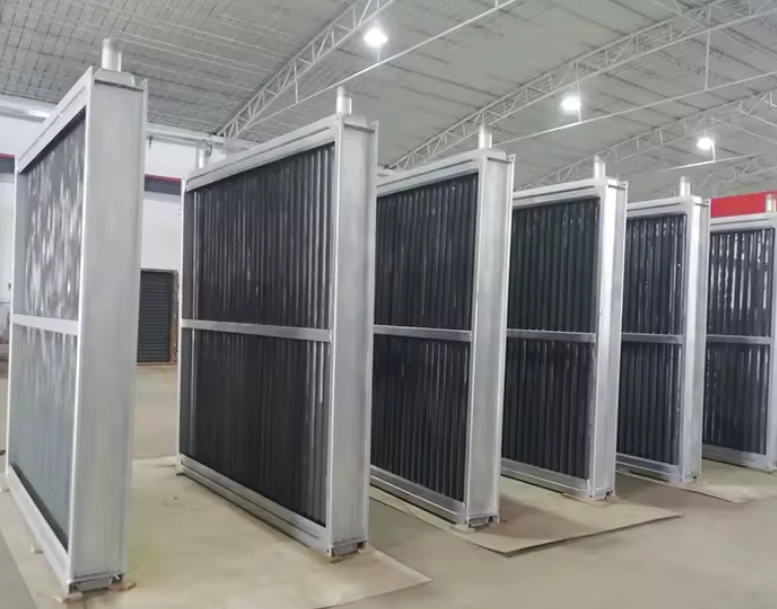
The performance of mainstream pipes is compared with carbon steel
(such as 20# steel)
- Typical working conditions: non-corrosive or weakly corrosive environment, such as partial water-water heat exchange, non-corrosive oil.
- Advantages: lowest cost, good processing and welding performance.
- Disadvantages: poor corrosion resistance, easy to rust, relatively short service life.
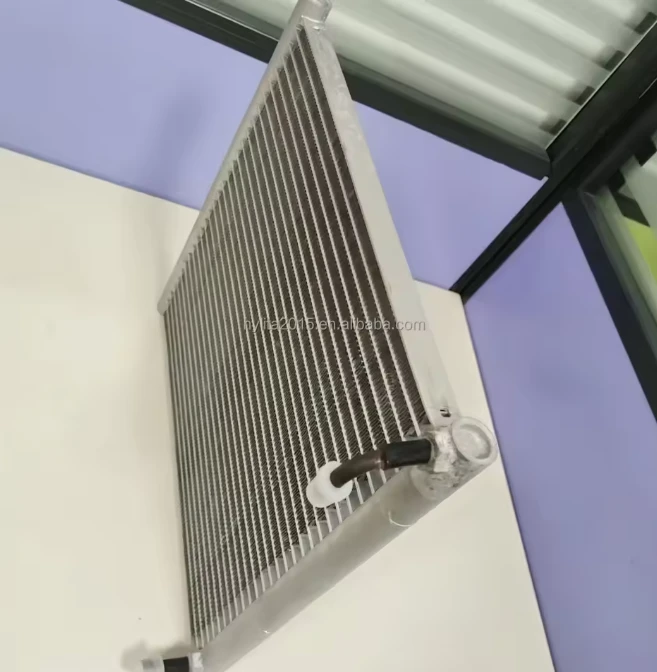
Austenitic stainless steel (304/316L)
- Typical working conditions: a wide range of weak to moderate corrosive environments, food, medicine, general chemicals, and coastal equipment.
- Advantages: Excellent corrosion resistance, high strength, smooth surface and not easy to scale. 316L has better resistance to chloride ion corrosion than 304.
- Disadvantages: The cost is significantly higher than that of carbon steel, and stress corrosion cracking may occur in high-temperature environments containing chloride ions.
Copper and copper alloys (such as brass, cupronickel)
- Typical working conditions: Traditionally used in power plant condensers and low-pressure feed water heaters.
- Advantages: Excellent thermal conductivity.
- Disadvantages: Not resistant to ammonia corrosion, prone to corrosion and scaling in acidic or high-hardness water, low strength, and expensive.
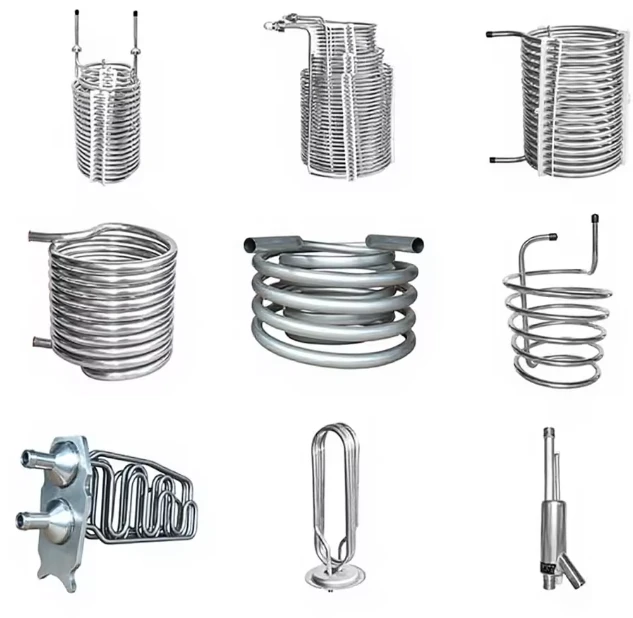
Titanium and titanium alloys
- Typical working conditions: highly corrosive and strongly oxidizing media, such as seawater desalination, wet chlorine, and strong acid.
- Advantages: Extremely corrosion-resistant, especially resistant to chloride ions, low density and high strength.
- Disadvantages: Very expensive and difficult to process.
Duplex stainless steel (such as 2205)
- Typical working conditions: harsh environments with high chloride ions and high stress, such as chemical industry and offshore platforms.
- Advantages: high strength, excellent chloride stress corrosion resistance, and cost-effectiveness between 316L and titanium.
- Disadvantages: Strict welding process requirements and sensitive to thermal processing.
Comprehensive Decision Making and Key Considerations
- Long-term cost assessment: Look beyond the initial purchase price. An expensive material that is more corrosion-resistant may have lower overall life costs due to its long life and maintenance-free performance. Replacement, downtime, repair and energy consumption costs need to be calculated comprehensively.
- Manufacturing and maintenance considerations: Consider the machinability, weldability, and matching of materials with other components such as tube sheets (such as using composite tube sheets to save costs). Also, planned cleaning frequency and method (mechanical or chemical cleaning) will also influence material selection.
- Standards and certifications: Ensure that the selected pipes comply with industry specifications (such as ASME, GB/T, HG) and certifications required by the project (such as classification society CCS, LR certification).
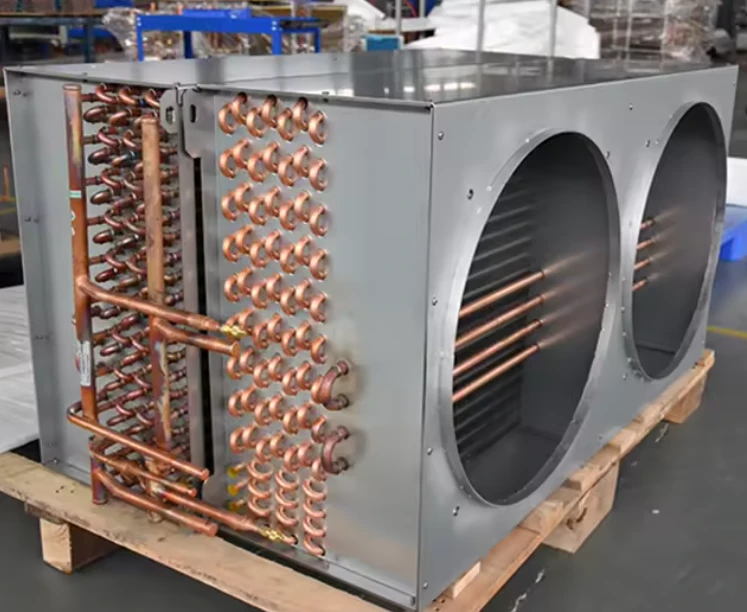
- Heat transfer efficiency: In certain situations (such as seawater desalination), you can consider using high-efficiency heat exchange tubes (such as fin tubes, corrugated tubes). They increase turbulence and expand the surface area through special shapes, which can greatly improve heat transfer performance.
Summary and suggestions
1. Sort out the core working conditions: clarify the medium composition, concentration, temperature, pressure, and flow rate, which are the basis for all decisions.
2. Screen candidate materials: According to the working conditions, 2-3 possible solutions are selected based on the material properties table. For corrosive environments, conducting coupon tests when necessary is the most reliable method to verify the corrosion resistance of materials.
3. Conduct comprehensive comparison and selection: Conduct preliminary life expectancy and full-cycle cost analysis for candidate solutions. Consult reliable suppliers for detailed technical specifications, processing recommendations and success stories.
4. Clarify technical specifications: Finalize materials, standards, specifications (outer diameter, wall thickness) and enhanced heat transfer requirements, and write them into procurement and technical agreements.

Shenzhen Hylita can provide you with a more targeted analysis
If you can provide more specific application scenarios (such as whether it is used for chemical cooling, power plant condensation or food heating, as well as the main components of the medium and the temperature and pressure range), Shenzhen Hylita can provide you with a more targeted analysis.