What is the difference between copper tube evaporators and stainless steel tube evaporators?
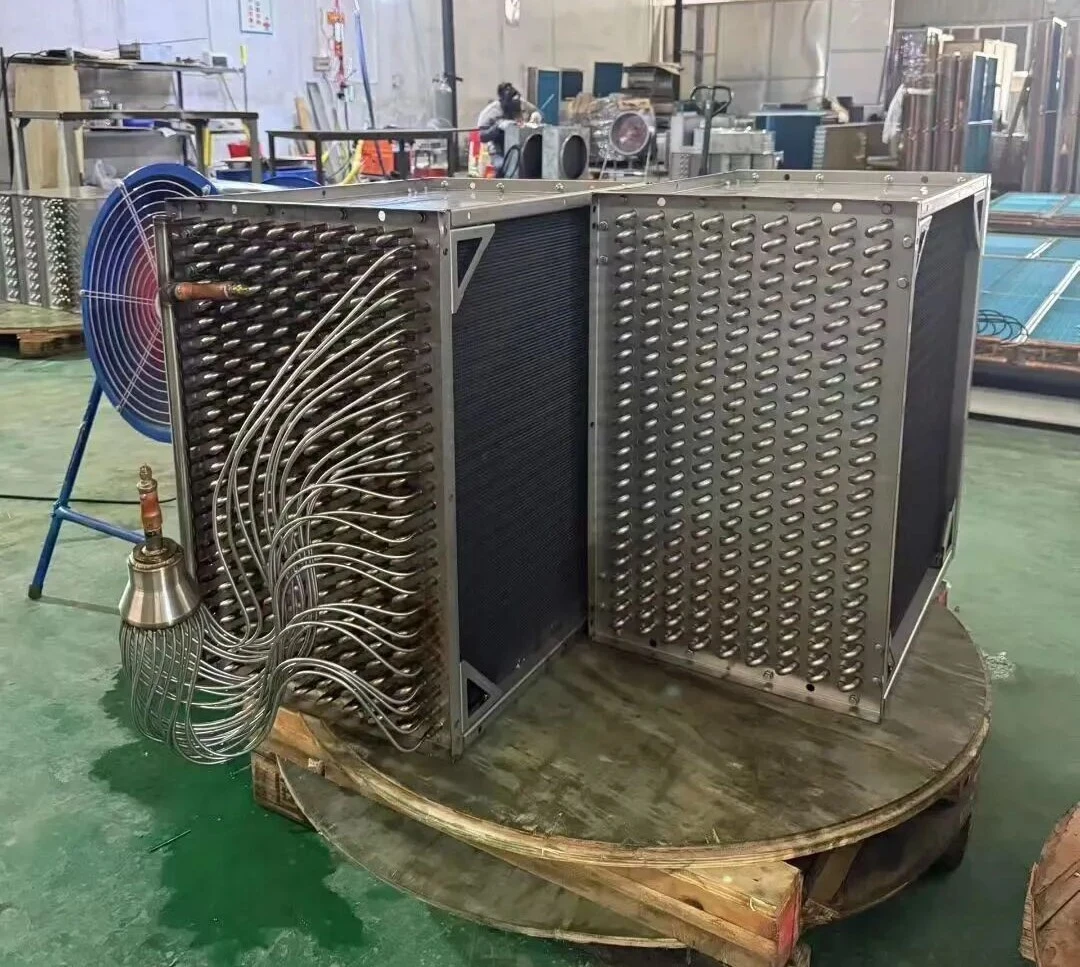
1. Material properties: Copper tubes have high thermal conductivity and better heat exchange efficiency than stainless steel tubes; stainless steel tubes are more corrosion-resistant, especially suitable for harsh conditions containing acids, alkalis, and salts.
2. Cost and lifespan: Copper tubes are more expensive to purchase and are more susceptible to corrosion, affecting their lifespan; stainless steel tubes are relatively cheaper, have a longer service life, and require less maintenance.
3. Applicable scenarios: Copper tubes are mostly used in household air conditioners, refrigerators, and other environments with high heat exchange requirements; stainless steel tubes are mainly used in industrial, marine, and other highly corrosive environments.
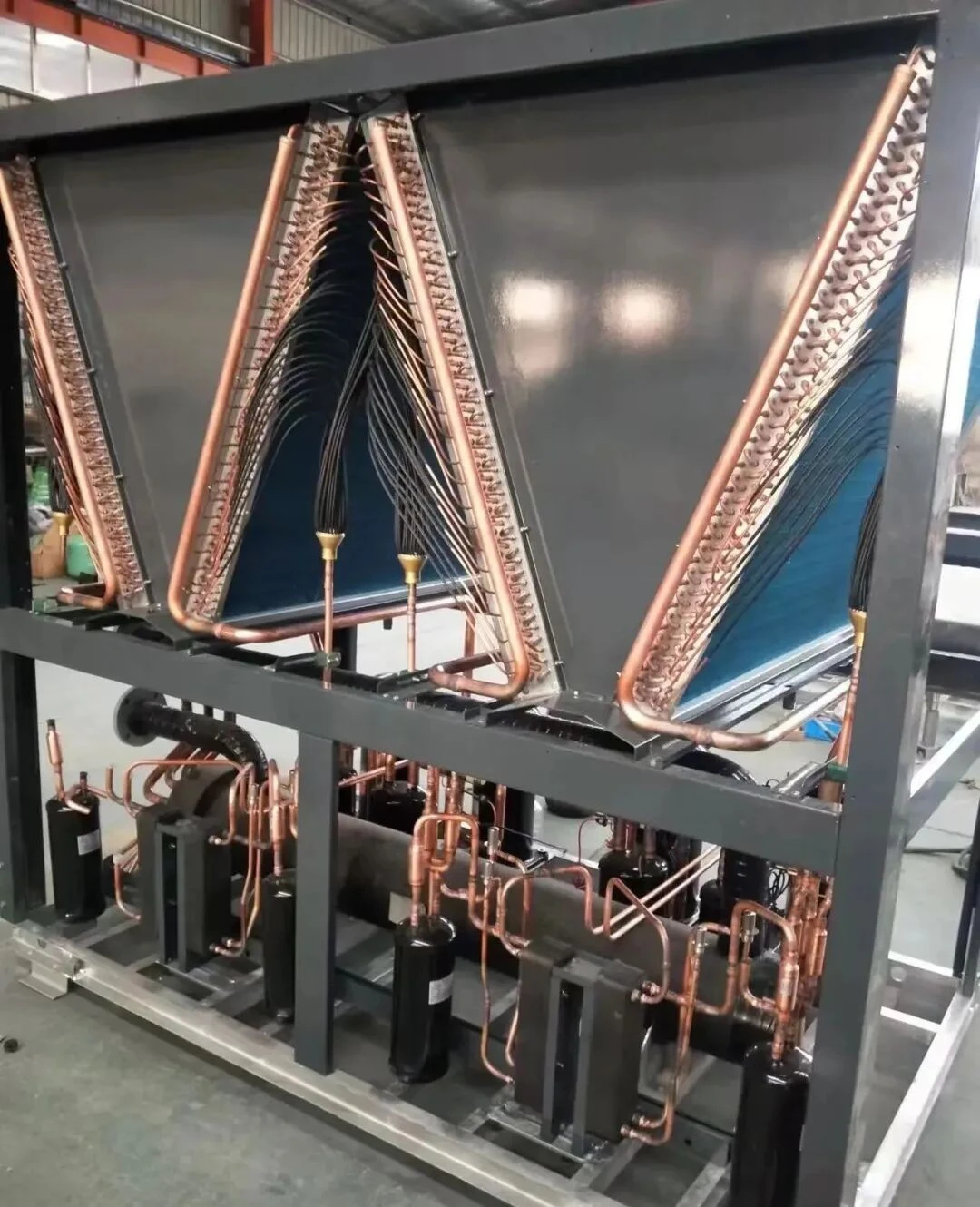
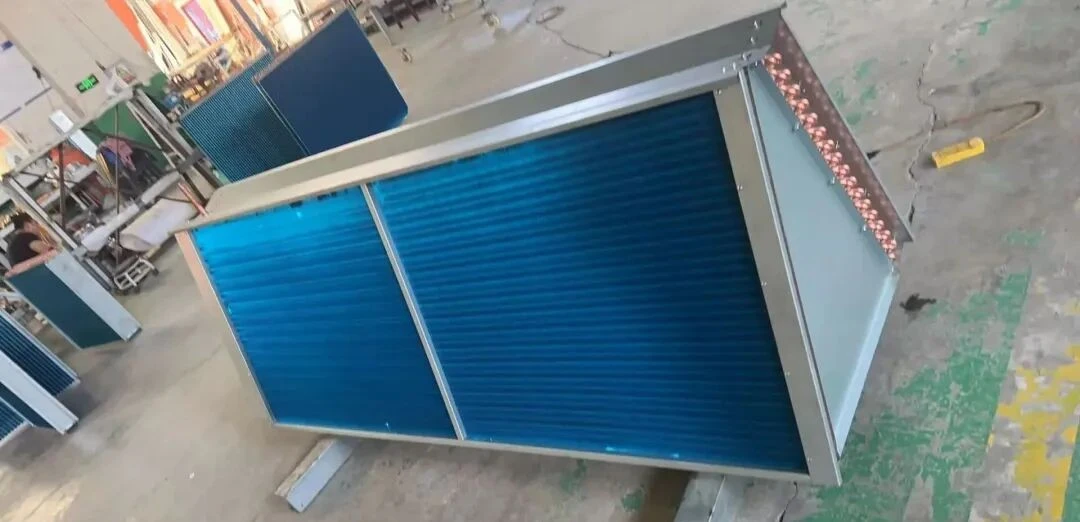
Stainless steel tube evaporators can replace copper tube evaporators, but certain conditions must be met, and they cannot be blindly replaced directly.
1. The heat exchange area must be matched, because stainless steel has lower thermal conductivity than copper, so the heat exchange area of stainless steel tubes needs to be appropriately increased to ensure that the cooling/heating effect does not decline.
2. The system's pressure and flow parameters must be compatible to avoid operational failures caused by mismatched pipe specifications.
3. Replacement is preferred in highly corrosive environments; in ordinary household scenarios, the cost-effectiveness of replacement is not high.
Copper tubes have better heat exchange performance.
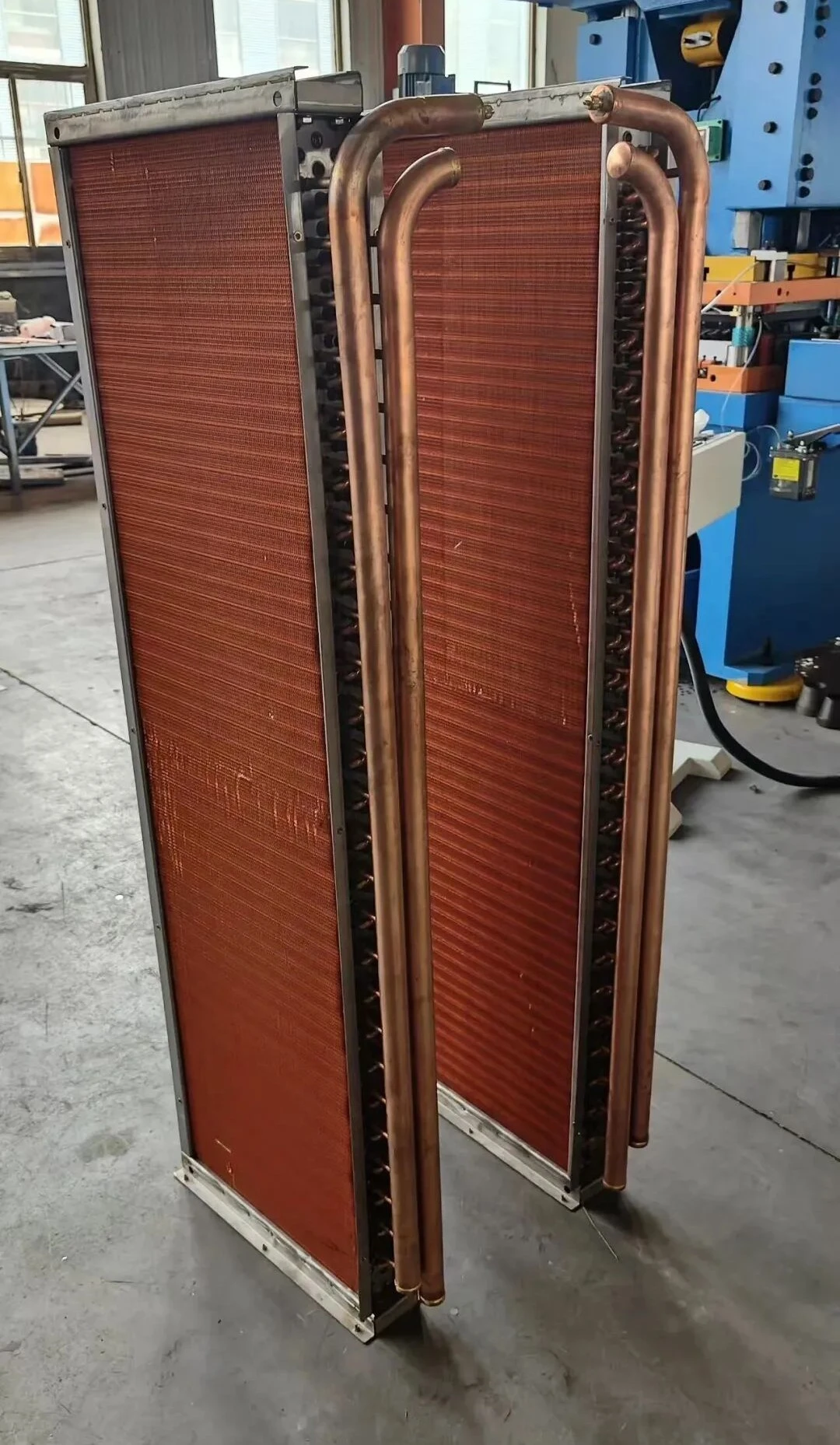
Copper's thermal conductivity is much higher than that of stainless steel (copper's thermal conductivity is about 401 W/(m·K), while stainless steel is only about 16-24 W/(m·K)), allowing heat to transfer faster and more efficiently complete the heat exchange process.