How does a condenser work?
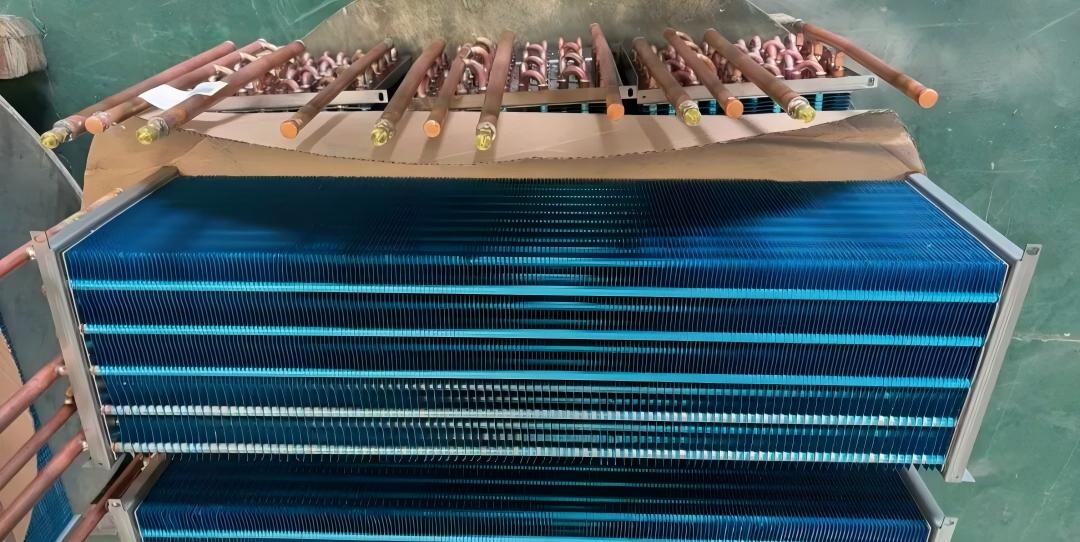
The condenser is the core heat exchange device in the refrigeration system. Its working principle is to cool and condense the high-temperature and high-pressure gaseous refrigerant discharged from the compressor into a liquid state, and at the same time release the heat to the surrounding environment medium.
Core working process:
Heat transfer: High-temperature and high-pressure gaseous refrigerant enters the condenser and exchanges heat with the cooling medium (such as air, water, or a combination of both). The cooling medium absorbs the heat of the refrigerant vapor and increases its own temperature.
Phase change process: As heat is continuously taken away, the temperature of the refrigerant vapor gradually decreases. It is first cooled into saturated steam, continues to cool and then condenses into a saturated liquid. If the cooling conditions are sufficient, it can be further cooled into a supercooled liquid.
Common cooling methods:
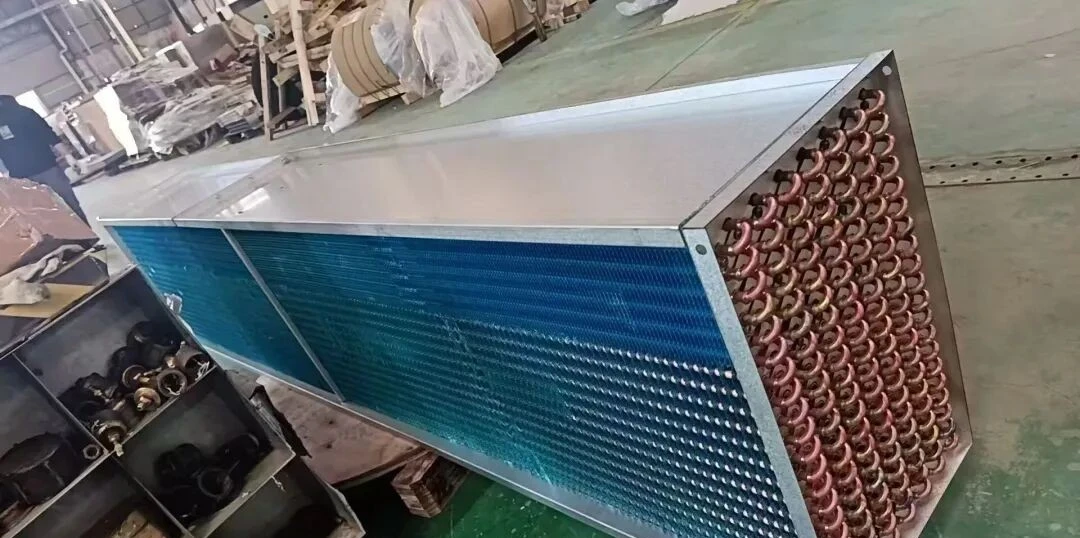
Air-cooled type: uses air as the cooling medium, and uses a fan to force air flow to enhance heat exchange. It is suitable for situations where water is scarce or water supply is difficult.
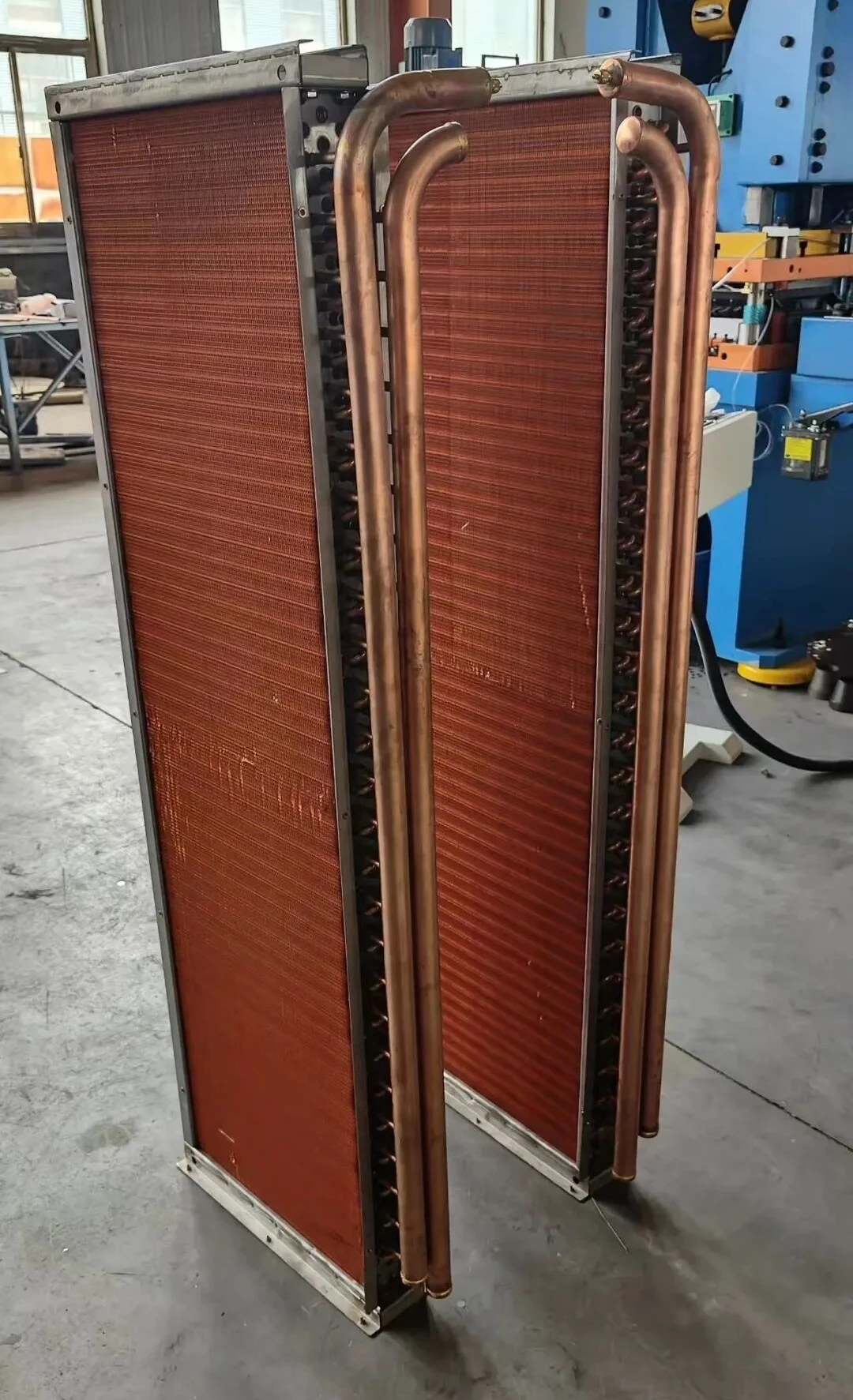
Water-cooled type: Water is used as the cooling medium, and the cooling water is recycled. A cooling tower is required. The heat transfer efficiency is high, but the system is complex.
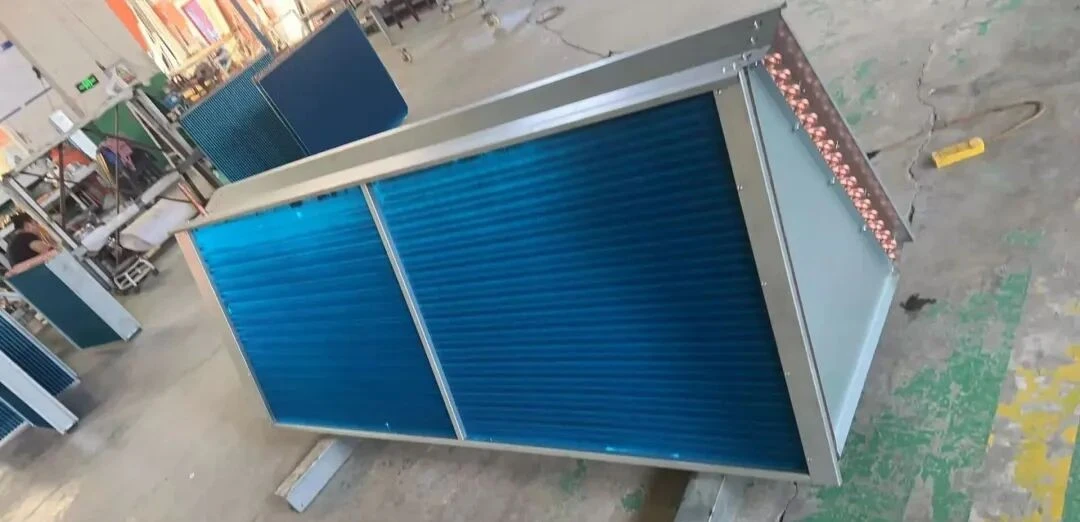
Evaporative type: combines water and air as the cooling medium, and uses water evaporation to absorb latent heat to condense the refrigerant. It consumes less water and is suitable for dry areas.
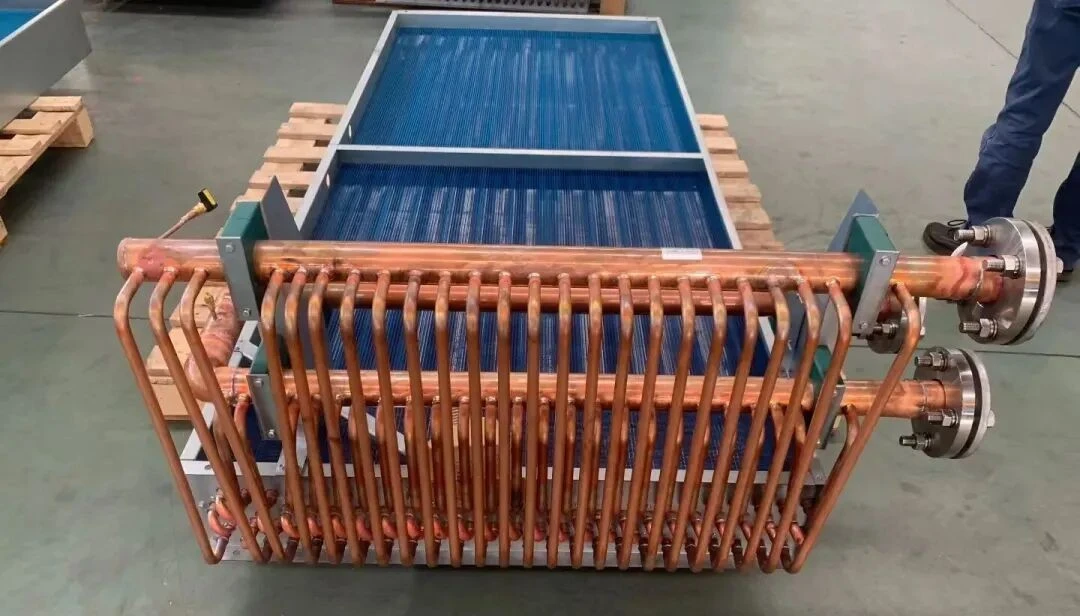
The efficient operation of the condenser is crucial to the performance and economy of the entire refrigeration system, and its heat transfer effect directly affects the cooling capacity and compressor power consumption.