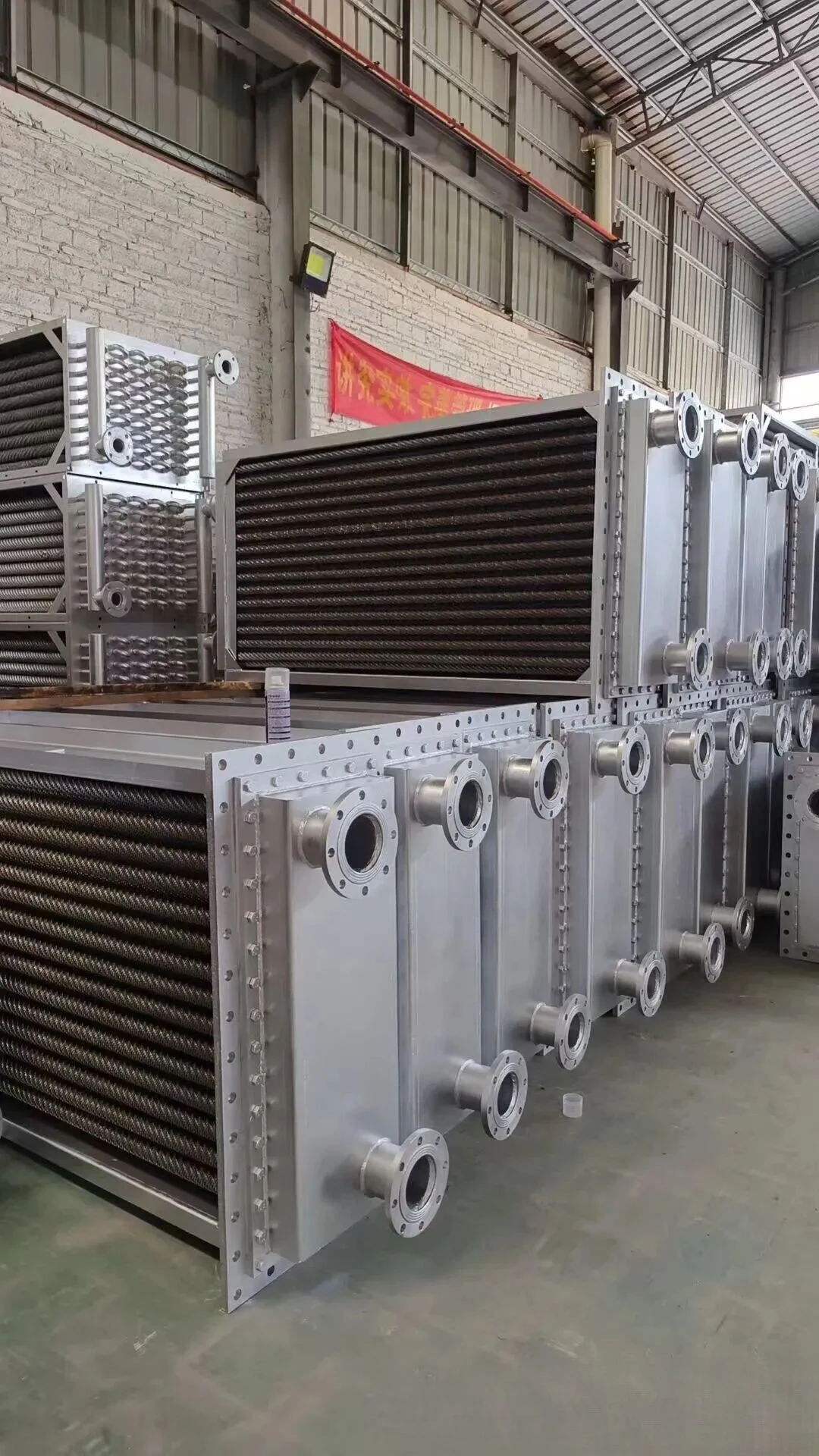
Steam Heaters: Working Principles and Classifications
A steam heater is a standard heat exchange device widely applied in petrochemical, food processing, metallurgical, and air separation industries. It functions by utilizing the latent heat released during the condensation of steam to elevate the temperature of process gases or air.
This document outlines the operational mechanisms and common structural classifications of industrial steam heaters.
1. Working Principle
The core operation of a steam heater relies on condensation heat transfer.
Heat Exchange Process
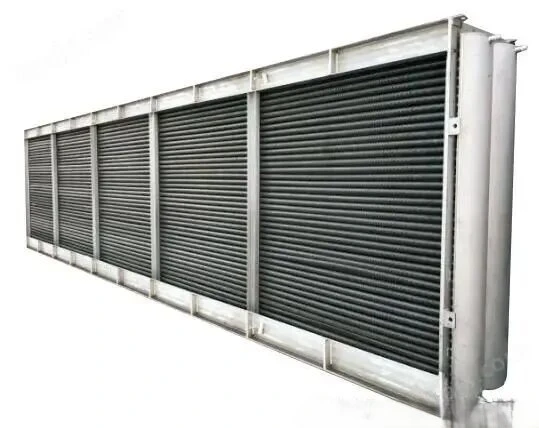
During operation, steam generated by a boiler enters the internal tubes of the heater, serving as the heat transfer medium. Thermal energy is transferred through the tube walls to the colder air or gas flowing externally. As the steam releases heat, it condenses into liquid water, which is subsequently discharged through a steam trap. The external air absorbs the thermal energy and is routed to the connected processing equipment.
Application of Finned Tubes
In standard air heating applications, the steam pressure is typically maintained below 0.8 MPa, with target air temperatures under 160°C. Due to the significant disparity in heat transfer coefficients-where the air-side coefficient is considerably lower than the steam-side coefficient-manufacturers weld or extrude fins onto the outer surface of the tubes. This structural modification increases the effective surface area, thereby compensating for the thermal imbalance and optimizing heat transfer performance.
2. Structural Classifications
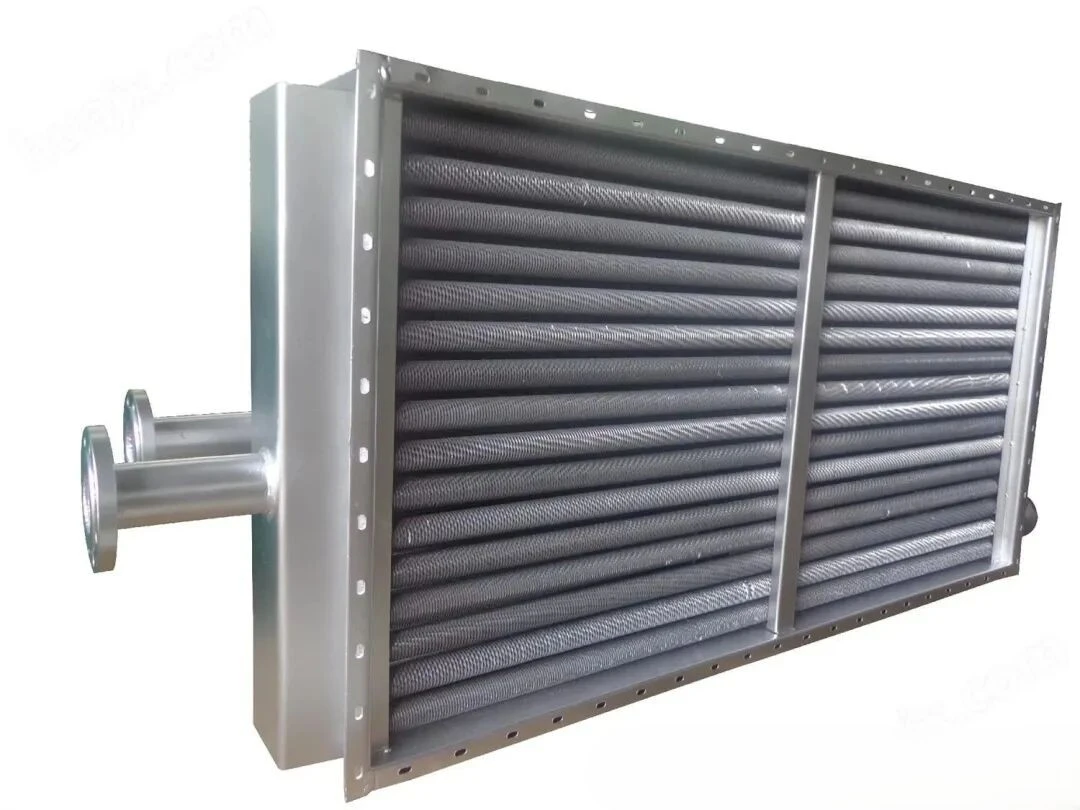
Steam heaters are primarily categorized based on their fin structures and material compositions to suit varying operational requirements.
Wound-Fin Heaters
Constructed by mechanically winding a metal strip (typically copper or steel) around a base tube. Standard models include the SRZ, S-type, and U-type series. This configuration offers straightforward manufacturing and structural reliability under standard pressure.
Extruded-Fin Heaters
Manufactured using bimetallic composites, predominantly steel and aluminum. The aluminum layer is extruded directly over the steel core tube to form integral, seamless fins. Common designations include SRL, KL, and FUL models. This design provides high thermal conductivity and excellent resistance to atmospheric corrosion.
String-Fin Heaters
Assembled by threading pre-punched rectangular or circular fins onto tubes, followed by mechanical or hydraulic tube expansion to ensure rigid contact. TLS copper-aluminum string fin heaters are a prominent example, frequently utilized in HVAC and compact industrial systems.