Working principle and classification of steam heaters
A steam heater is a device that uses steam as a heat source to transfer thermal energy to another medium (such as air, water or process fluid). Compared with the "steam heat exchanger" discussed in the previous round, this concept focuses more on the functional purpose of "heating" and its implementation methods are also more diverse.
🔥Working Principle and Classification
The core of the steam heater is to utilize the large amount of latent heat released by steam during condensation. According to whether the steam is in direct contact with the heated medium, it is mainly divided into two categories:
- Indirect heating (partitioning wall type)
This is the most common form. Steam and the heated medium flow in the space separated by solid walls (such as pipe walls, plates) without contacting each other, and heat is transferred through the wall. This method can ensure the purity of the heated medium and avoid cross-contamination.
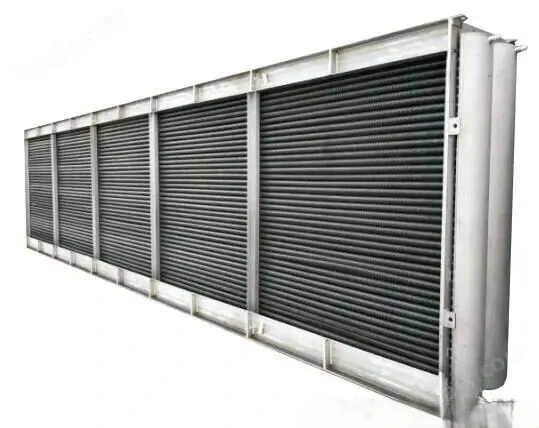
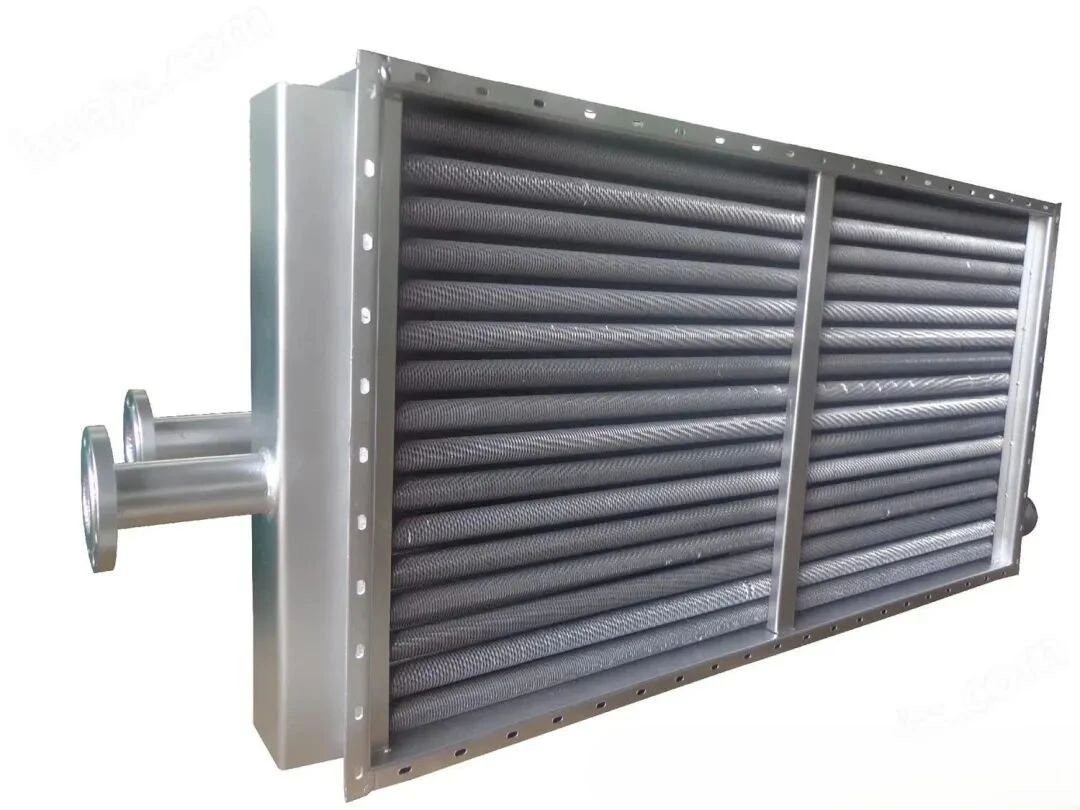
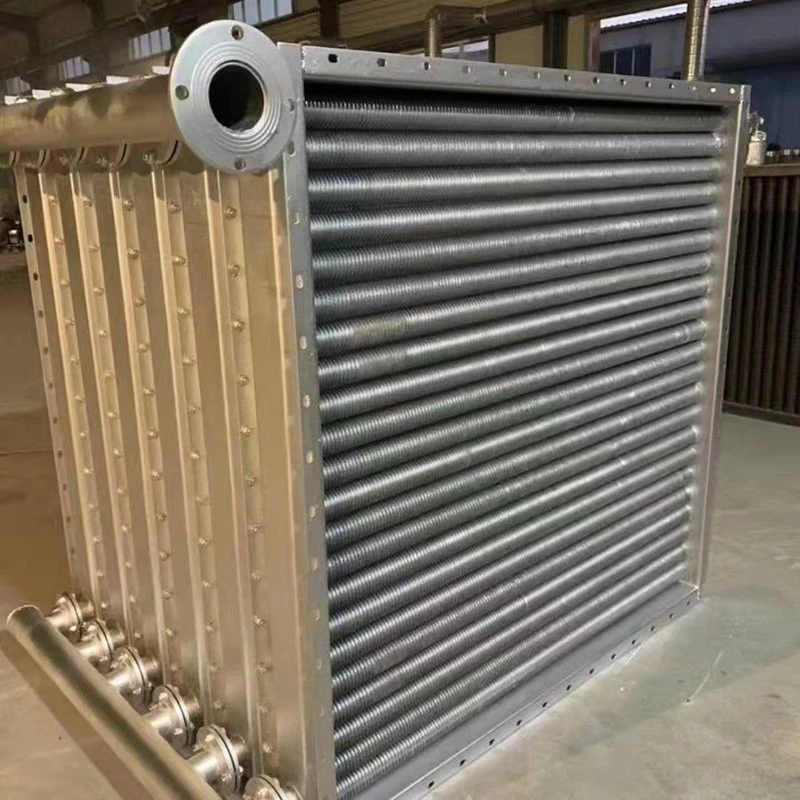
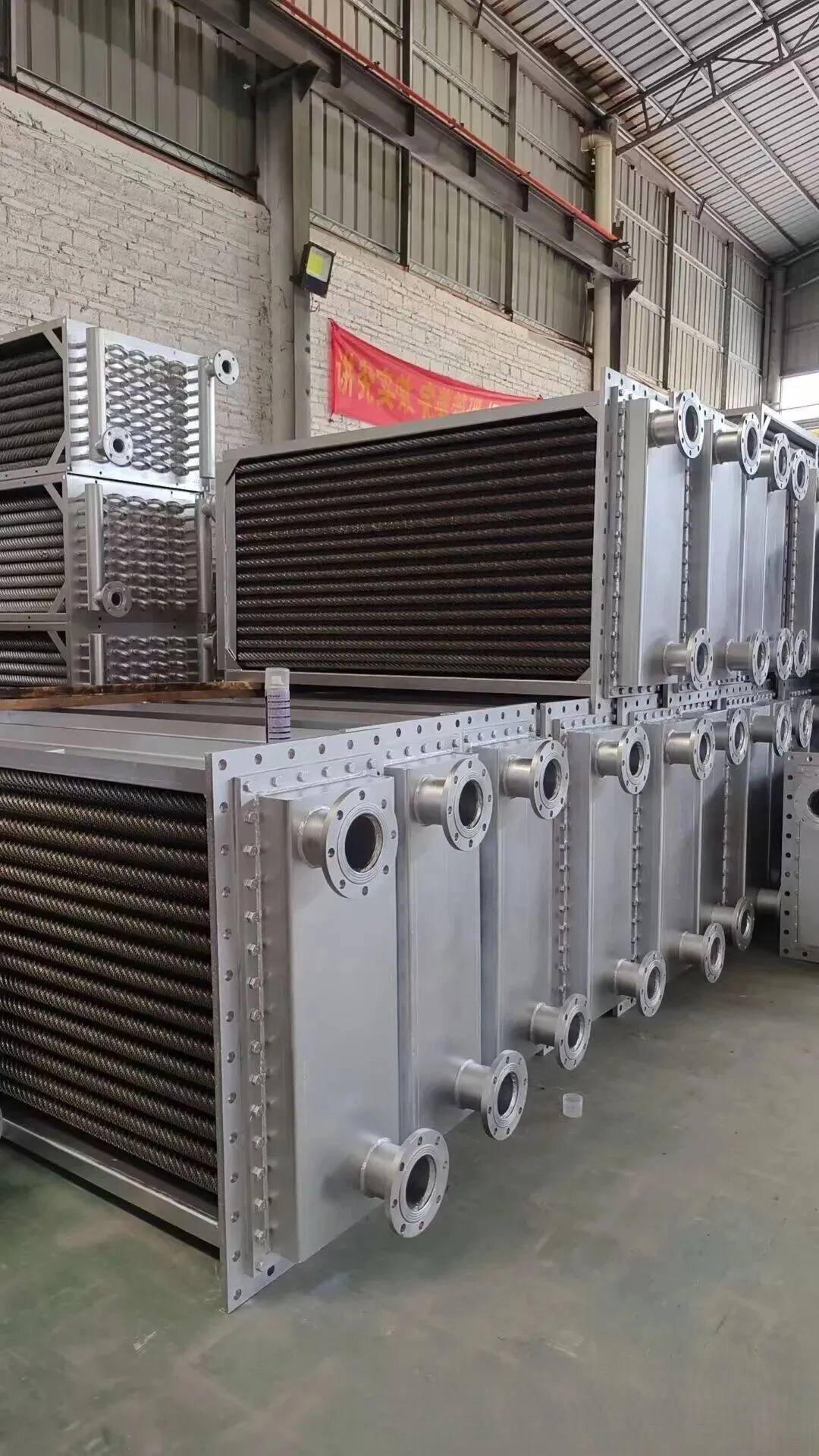
- Typical applications: Steam heaters often use steel-aluminum composite fin tubes as the core heat exchange element for heating air. This design combines the pressure resistance of steel pipes with the high thermal conductivity of aluminum, and has the advantages of high heat transfer efficiency, compact structure, and low air resistance.
- Common types: In addition to finned tube type, it also includes shell and tube type, plate type and coil type heaters, etc.
2. Direct heating (mixed type)
Steam is directly injected into the heated liquid (usually water), and the liquid is rapidly heated through direct mixing and heat exchange. This method has extremely high heat exchange efficiency, almost 100%, and the equipment structure is simple.
- Typical applications: Soda-water mixing heaters are representative and are widely used in domestic hot water supply, heating systems and liquid heating in industrial production.
- Common types: Mainly divided into two types: pipeline type and immersed type. Among them, the immersion heater can reduce the working noise to less than 50dB through a special sound-absorbing structure design, solving the problem of high noise in traditional direct heating.
🏭Main application
Areas Steam heaters play a key role in many industries:
- Chemical industry and petroleum: used for heating process fluids, preheating reaction materials, heating and reducing viscosity of crude oil, etc.
- Food and pharmaceuticals: used for cooking, pasteurization, disinfection, extraction, fermentation tank insulation, etc. of materials, with high requirements on hygiene and purity.
- Textile printing and dyeing: Provide stable heat source for dyeing, printing and finishing processes.
- Heating, Ventilation and Air Conditioning (HVAC): Used to heat air or circulate water in central heating systems in large commercial buildings, hospitals and schools.
- Electric power industry: used in water heating and other process links of power plants.
✨ Performance characteristics
- High efficiency and energy saving: The latent heat of steam is large, the heat transfer efficiency is high, and it can quickly provide a large amount of heat energy. The energy-saving design can also recover the sensible heat in the condensate water, further improving energy utilization.
- Rapid heating: Especially the direct mixed heating can heat the medium to the target temperature instantly.
- Precise temperature control: By adjusting the steam flow, the outlet temperature of the heated medium can be controlled accurately and stably.
- Low operating costs: Compared with methods such as electric heating, using steam as a heat source is usually more economical.
💡Technical Challenges and Latest Developments
In order to cope with problems in practical applications, steam heater technology is also constantly innovating:
- Eliminating thermal stress: Heat exchange components will generate thermal stress during repeated thermal expansion and contraction, which affects the life of the equipment. The latest patented technology can effectively absorb and eliminate thermal stress by setting buffer springs and other components inside the casing to ensure stable operation of the equipment.
- Prevent scaling and clogging: Scale will reduce heat exchange efficiency and even block pipes. Some new designs optimize the internal structure, such as setting up special air outlets and filters, so that scale can automatically fall off or be filtered, thereby extending the equipment cleaning cycle.
- Easy maintenance: In order to simplify maintenance, a patented design has a detachable air equalizing ring structure. Internal parts can be taken out for replacement or inspection without dismantling the entire equipment, which greatly improves maintenance efficiency.
- Improve steam dryness: The moisture carried in the steam will affect the heating effect. The new technology can effectively separate and remove moisture in the steam to ensure heating quality by setting up a support net and a humidity sensor in the steam channel.