

Advantages of Microchannel Heat Exchangers (MCHEs) Compared to Traditional Heat Exchangers (Copper Tube Aluminum Fin Heat Exchangers)
Superior Heat Transfer Efficiency
MCHEs feature ultra-small internal flow channels (typically 0.1–2 mm in diameter) and a high surface area-to-volume ratio. This design maximizes the contact between the heat transfer medium (like refrigerants like R134a or R404A) and the heat exchanger surface, enabling heat transfer efficiency to increase by 42% or more compared to traditional copper tube-fin models. The enhanced turbulence of fluid in microchannels further reduces thermal resistance, making MCHEs ideal for energy-saving scenarios such as commercial freezers and display cabinets.
Compact Size and Lightweight
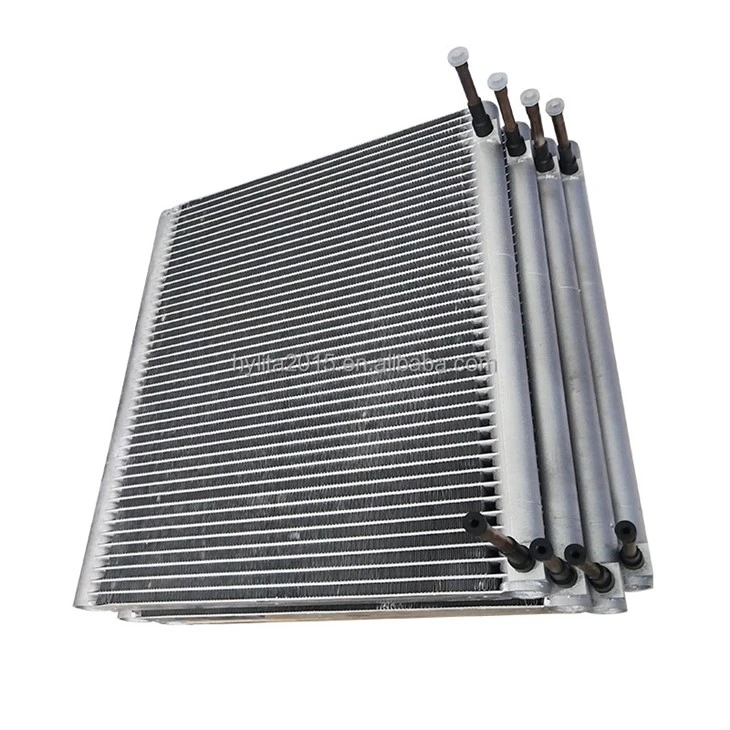
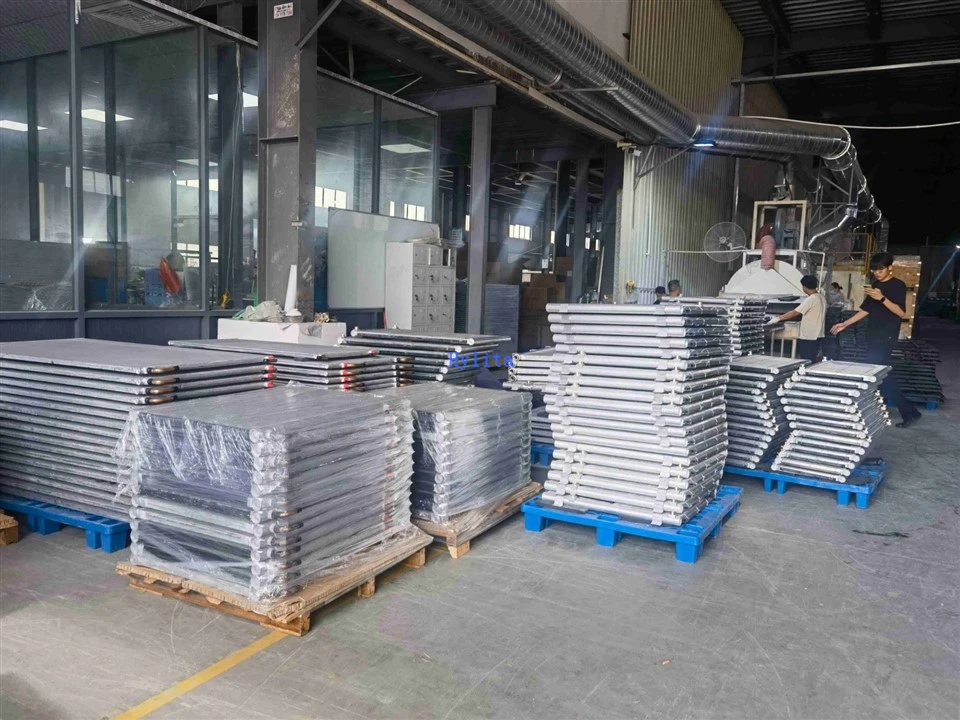
Constructed with all-aluminum materials and an integrated fin-flat tube structure (via seamless welding), MCHEs are significantly more compact and lighter. On average, they occupy 32–51% less space and weigh 42–61% less than traditional copper-based heat exchangers with the same heat transfer capacity. This advantage is critical for space-constrained applications, such as automotive air conditioning, compact refrigeration units, or household HVAC systems.
Lower Material and Operating Costs
Aluminum, the primary material of MCHEs, is more cost-effective than copper (a key component of traditional exchangers), reducing raw material costs by 20–30%. Additionally, MCHEs require much less refrigerant charge (up to 50–70% less) due to their smaller internal volume, lowering long-term operating expenses and aligning with global environmental regulations (e.g., F-Gas regulations) that restrict excessive refrigerant use.
Enhanced Structural Reliability
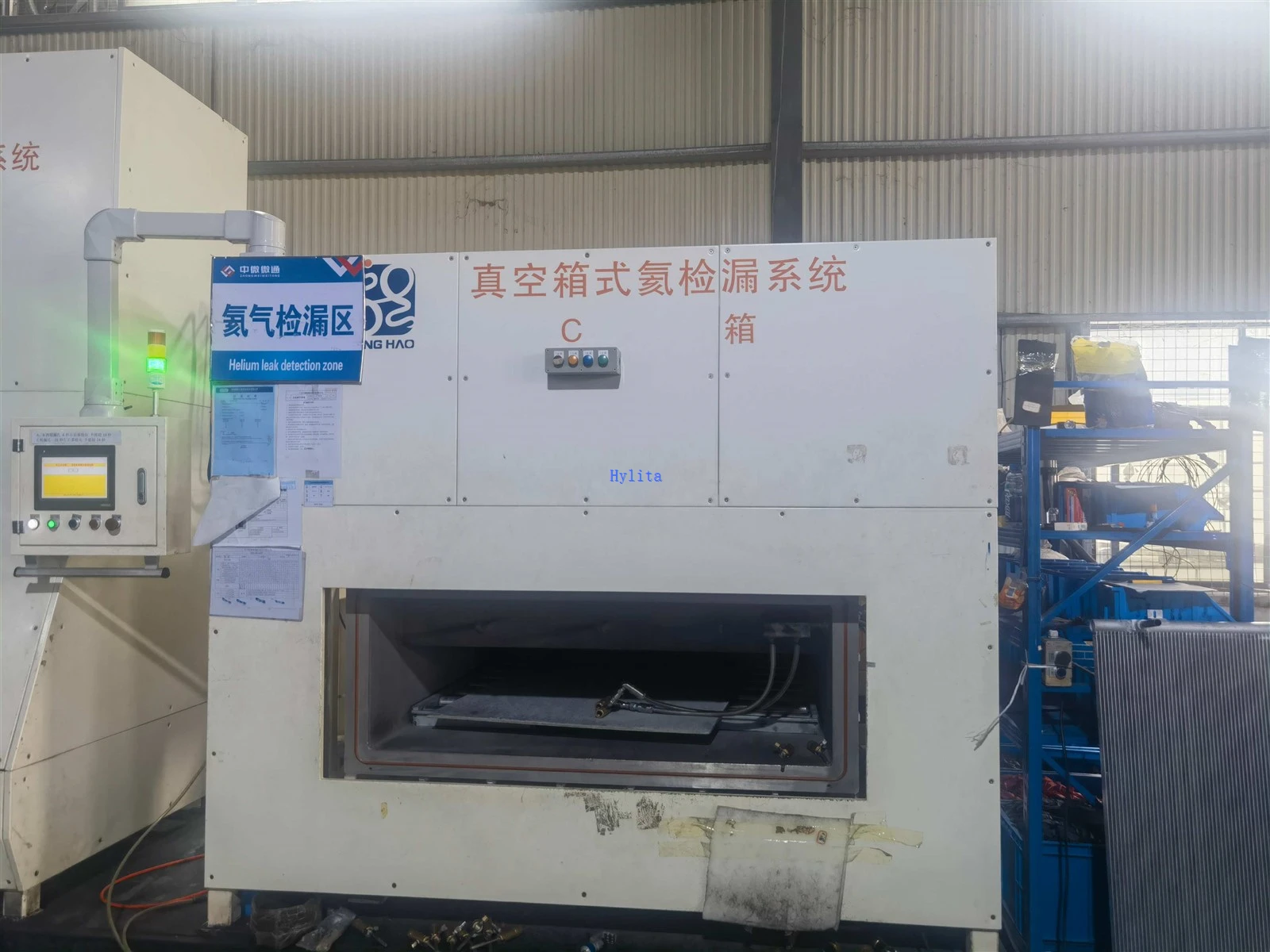
Advanced manufacturing processes (e.g., vacuum brazing for all-aluminum components) create seamless bonding between fins and flat tubes in MCHEs, eliminating gaps that cause thermal resistance or refrigerant leakage in traditional tube-fin exchangers. This seamless structure also improves resistance to vibration and thermal cycling, extending the service life in dynamic environments (like mobile refrigeration trucks).
Disadvantages of Microchannel Heat Exchangers (MCHEs) Compared to Traditional Heat Exchangers
Inferior Corrosion Resistance
Aluminum material, while lightweight, has lower corrosion resistance than copper-especially in harsh environments (e.g., marine settings, high-humidity areas, or applications with acidic/alkaline fluids). Without additional anti-corrosion coatings (e.g., phenolic resin coatings), MCHEs may suffer from aluminum oxidation or pitting, requiring more frequent maintenance or replacement in corrosive conditions.
Higher Maintenance Difficulty and Cost
The integrated, compact design of MCHEs makes repair challenging. Unlike traditional tube-fin exchangers (where damaged tubes or fins can be replaced individually), a single defect in MCHEs' microchannels often necessitates replacing the entire unit. This increases maintenance costs and downtime, particularly for large-scale industrial applications.
Higher Initial Manufacturing Investment
MCHEs require precision manufacturing technologies (e.g., micro-extrusion for flat tubes, high-temperature vacuum brazing) and specialized equipment. While material costs are lower, the upfront investment in production lines is 2–3 times higher than that for traditional heat exchangers. This makes MCHEs less economical for small-batch production or low-budget projects.
Limited High-Temperature Applicability
Aluminum's melting point (about 660°C) and thermal stability are lower than copper's (melting point ~1085°C). In high-temperature scenarios (e.g., industrial boilers, high-temperature waste heat recovery), MCHEs may experience reduced structural integrity or thermal efficiency, whereas traditional copper-based exchangers maintain better performance under such conditions.
Material Selection Sensitivity
When the channel size is < 0.5 mm, the difference in heat transfer performance between materials such as brass and stainless steel can reach 20%. The key design thresholds must be comprehensively considered in conjunction with corrosion resistance requirements.
Flow Channel Shape Gain
Complex channel structures (e.g., serpentine/serrated) increase heat transfer efficiency by 1.2 to 1.4 times compared to straight channels, but it is necessary to balance the trade-off of a 15%-25% increase in pressure drop.
Hot Tags: mche micro-channel evaporator, China mche micro-channel evaporator manufacturers, suppliers, factory